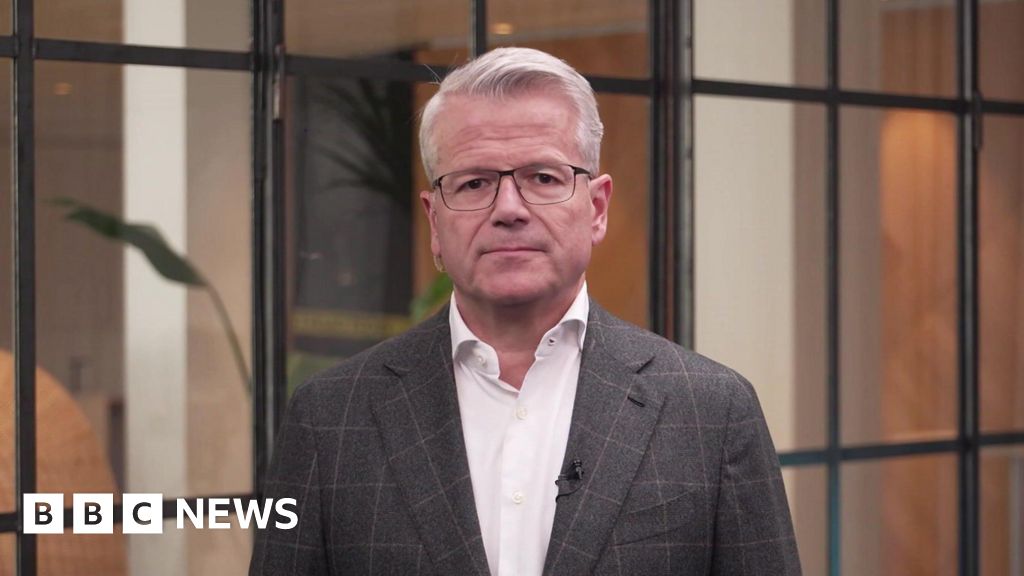
Maersk CEO Vincent Clerc warned that the US, Israel and Iran need a deal to reopen Middle East sea routes after the Strait of Hormuz and Red Sea disruptions have nearly halted traffic and contributed to at least seven seafarer deaths. Rerouting around the Cape adds roughly $200 per 20ft container (about a 15-20% freight increase), prompting carriers including Maersk, MSC and Hapag-Lloyd to raise charges and adding upward inflationary pressure. Disruption is constraining exports (notably petrochemicals), complicating food logistics, and while naval escorts could offer temporary relief Clerc says only a political settlement will restore stable, safe navigation.
Rerouting around major chokepoints is a pure ton-mile shock: ships will sail longer, consume materially more bunker, and reduce available round-trips per vessel. For container and tanker markets this translates into a short-run supply contraction (fewer vessel-turns) that supports freight and tanker TCEs even if nominal vessel counts are unchanged. Expect a multi-week to multi-month window where spot pricing power accrues to owners/operators with flexible capacity and access to bunkering/triangulation options.
Second-order winners are asset-light logistics integrators and rail/road bridge operators that can monetize premium routing and expedited transshipments; losers are low-margin, spot-exposed feeder operators, small global retailers with tight inventory turns, and terminal operators in already-congested hubs forced to hold longer dwell times. Insurance and war-risk premia are the marginal price wedge that determines who actually sails — underwrite capacity (insurers, P&I clubs) gains pricing power; banks financing smaller owner-operators see collateral risk rise.
Catalysts to watch: 1) visible naval escort programs or a short diplomatic truce (days–weeks) would collapse the tactical premium; 2) sustained escalation/insurance exclusions (weeks–months) would extend the ton-mile tail and force longer-term contractual shifts. The consensus is treating this as a transitory bounce in costs; the non-obvious path is an accelerated re-allocation of trade lanes and multi-year capex into alternative logistics (rail corridors, larger long-haul tankers) that would permanently change asset cash flows over 12–36 months.
AI-powered research, real-time alerts, and portfolio analytics for institutional investors.
Request DemoOverall Sentiment
mildly negative
Sentiment Score
-0.35
