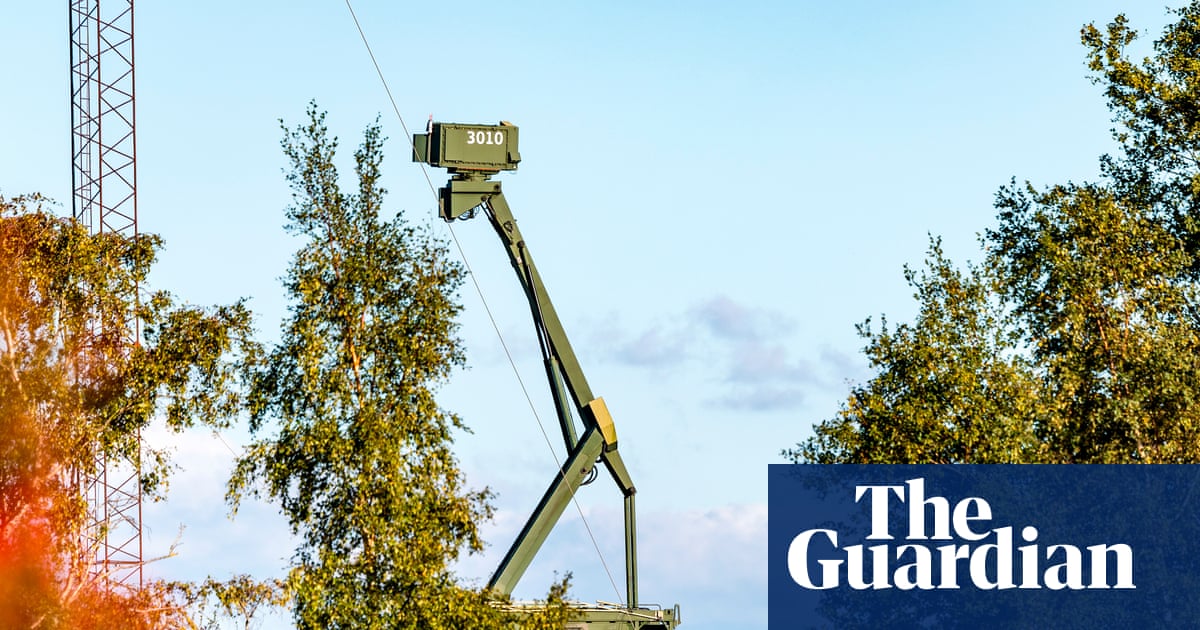
Danish authorities have banned civilian drone use following observed incursions at military sites, coinciding with upcoming European summits and heightened regional tensions. This action, supported by Germany's naval deployment and NATO's strengthened 'Baltic Sentry' mission, underscores escalating security concerns over drone threats to critical infrastructure and airspace in the Baltic Sea region. The broader context of recent suspected Russian drone incidents across NATO states and ongoing attribution investigations suggests potential for increased defense spending and a possible upgrade of NATO's air-policing capabilities, indicating elevated geopolitical risk.
Danish authorities have implemented a nationwide ban on civilian drones and reported incursions at military sites, a direct security response ahead of hosting two European summits. This event is not isolated, but rather symptomatic of escalating regional tensions, following a series of drone incursions in Denmark, Poland, and Romania, and airspace violations in Estonia. The reaction from NATO has been substantive, marked by the deployment of a German air-defence frigate to Copenhagen and the explicit strengthening of the 'Baltic Sentry' mission, which was initiated in January to protect critical sub-sea infrastructure like power cables and gas pipelines. A senior NATO military official has noted that upgrading the alliance's air-policing mission to a full air-defence posture is a potential option pending investigation outcomes. This confluence of events, underscored by a moderately negative sentiment score, indicates a material increase in perceived geopolitical risk and portends a strategic shift towards heightened defense spending and active protection of critical infrastructure and sovereign airspace in the Baltic region.
AI-powered research, real-time alerts, and portfolio analytics for institutional investors.
Overall Sentiment
moderately negative
Sentiment Score
-0.50
