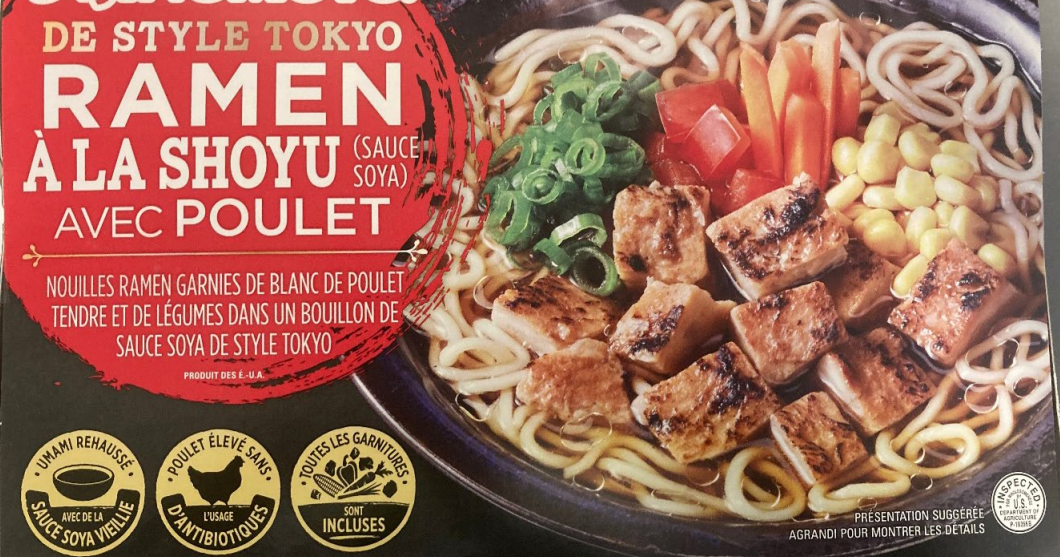
Ajinomoto Foods North America has expanded a recall to nearly 37 million pounds of frozen ready-to-eat chicken and pork fried rice, ramen and shu mai dumplings across 16 products (manufactured Oct 2024–Feb 2026) sold under Ajinomoto, Kroger, Ling Ling, Tai Pei and Trader Joe’s brands, with best-by dates from Feb. 28, 2026 to Aug. 19, 2027. Products shipped nationwide (with some exports to Canada and Mexico) after consumer reports of glass contamination; the USDA says carrots are the likely source, and no injuries have been reported. The scale of the recall poses reputational, regulatory and potential financial hit risks for the manufacturer and affected retailers and could trigger follow-on litigation and supply-chain disruptions for impacted SKUs.
Market structure: The expanded 37M-lb recall is a concentrated shock to frozen prepared foods and private-label frozen SKUs sold through Kroger (KR) and Trader Joe’s channels, likely transferring 3–6% share in the affected categories to national discounters (WMT) and brand leaders (Conagra CAG) over 4–12 weeks as consumers avoid frozen SKUs. Retailers carrying diversified assortments and vertically integrated frozen suppliers gain pricing/placement leverage; Kroger’s private-label perishables margin and inventory shrink face immediate pressure (low‑single-digit EPS hit risk next quarter if remediation & markdowns persist). Cross-asset: expect modest equity weakness in KR (1–5%), slight CDS/widening in food-manufacturer credit if recall expands, and a short-term uptick in frozen vegetable/commodity veg prices if carrot supply is constrained regionally.
Risk assessment: Tail risks include (a) confirmed consumer injuries or a growing class-action that forces multi-hundred‑million dollar recalls, (b) expanded contamination linked upstream to a major produce supplier causing sector-wide inspections, and (c) regulatory clampdown increasing compliance costs 5–10% for frozen producers. Immediate (days): volatile KR moves and elevated put-implied vol; short-term (weeks/months): sales diversion and markdowns; long-term (quarters): supplier re-shoring or certification costs that compress private-label gross margins. Hidden dependencies: Kroger’s exposure depends on SKU penetration in loyalty purchases and inventory accounting timing; carrot-supplier concentration could be single-source in specific regions.
Trade implications: Short KR tactically with 30–60 day put spreads sized to risk 0.5–1% portfolio to capture an expected 3–6% downside; pair trade long CAG (1–2% position) vs short KR (1% notional) to play share rotation into branded frozen leaders. If implied vol spikes, sell near-term covered calls on existing long supermarket positions or buy protective puts if exposure >2% portfolio. Monitor USDA weekly notices and class‑action filings over 30–90 days as volatility/timing signals for rolling or exiting options.
Contrarian angles: Consensus will treat this as a transitory operational hiccup; that understates regulatory escalation risk — a single injury report or expanded supplier trace could reprice KR/privates more deeply. History (e.g., large produce-linked recalls) shows share reallocation can persist 6–18 months if retailers change suppliers or delist SKUs; if recall containment is clean within 30 days, the market reaction will be overdone and creates a 3–5% buying opportunity in KR for medium-term investors.
AI-powered research, real-time alerts, and portfolio analytics for institutional investors.
Request TrialOverall Sentiment
moderately negative
Sentiment Score
-0.45
Ticker Sentiment
