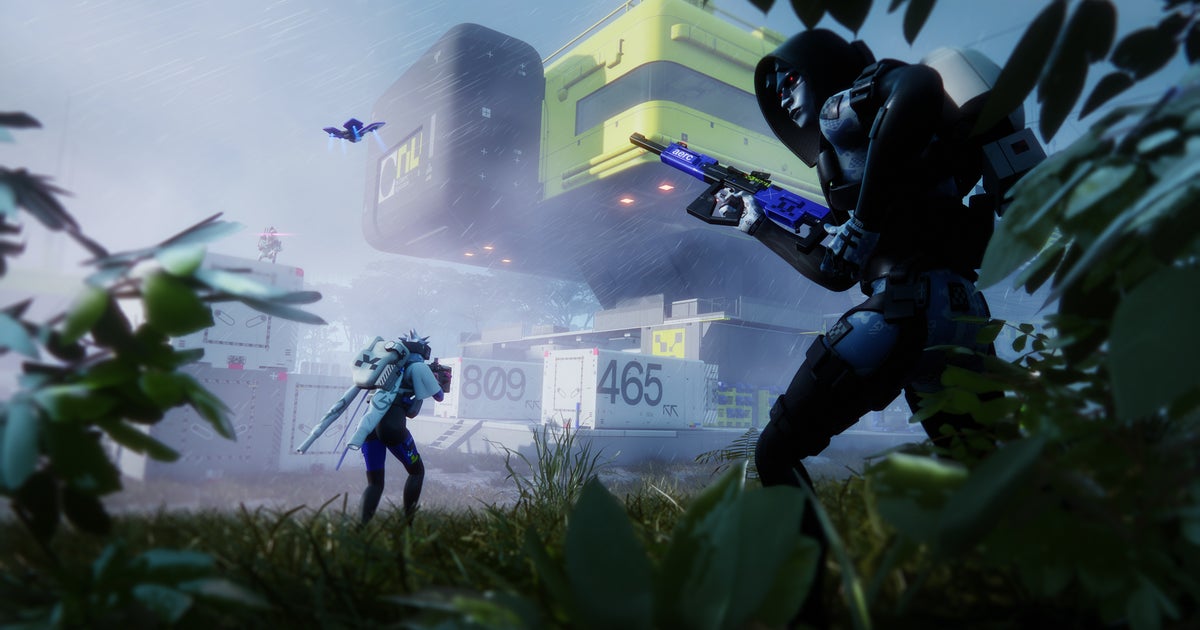
Marathon's latest update sharply reduces grenade stack sizes, cutting EMP, flechette, chem, frag, and heat grenades to a maximum stack of one and claymores to two per stack. The change is aimed at curbing grenade spam and should reduce frustrating fight dynamics, while utility grenades such as smoke and ammo crates remain at three per stack. The patch also includes C.A.R.R.I armoury improvements, a UI bug fix, and new secure vents on Cryo Archive.
The update is economically small at the company level but strategically important because it attacks the cheapest, most abusive path to engagement decay. In live-service shooters, if a dominant low-skill meta persists for even a few weeks, retention compounds negatively: new-user conversion falls first, then mid-core players churn, and only later do balance patches matter. This change should improve match quality and reduce frustration-driven exits, which is more relevant to long-run monetization than raw balance itself.
The immediate winner is Marathon’s product credibility. If the studio can show it is willing to nerf a “fun for griefers, bad for everyone else” mechanic quickly, that is a positive signal for players and for the publisher’s ability to iterate post-launch. The risk is that over-correcting could flatten the tactical sandbox and push the game toward sameness; if grenades become underpowered, the meta may simply shift to the next low-friction exploit rather than improving overall balance.
The second-order effect is timing: these fixes matter most over the next 2-6 weeks, when sentiment around a multiplayer title hardens. A successful patch would support concurrency stabilization, better word-of-mouth, and lower support/community moderation burden; a failed patch would imply deeper design issues and increase the probability of a broader rework cycle over months. The most important catalyst is not the patch itself but whether post-patch player behavior shows less spam and higher weapon-usage diversity.
Consensus is probably too focused on the visible grenade nerf and not enough on what it implies about product governance. Rapid balancing is bullish if it signals a disciplined live-ops loop; it is bearish if the team is firefighting core gameplay flaws that should have been caught pre-launch. The over/under call is that this is a necessary but insufficient fix: good for sentiment, not yet proof of durable engagement improvement.
AI-powered research, real-time alerts, and portfolio analytics for institutional investors.
Request DemoOverall Sentiment
mildly positive
Sentiment Score
0.15
