


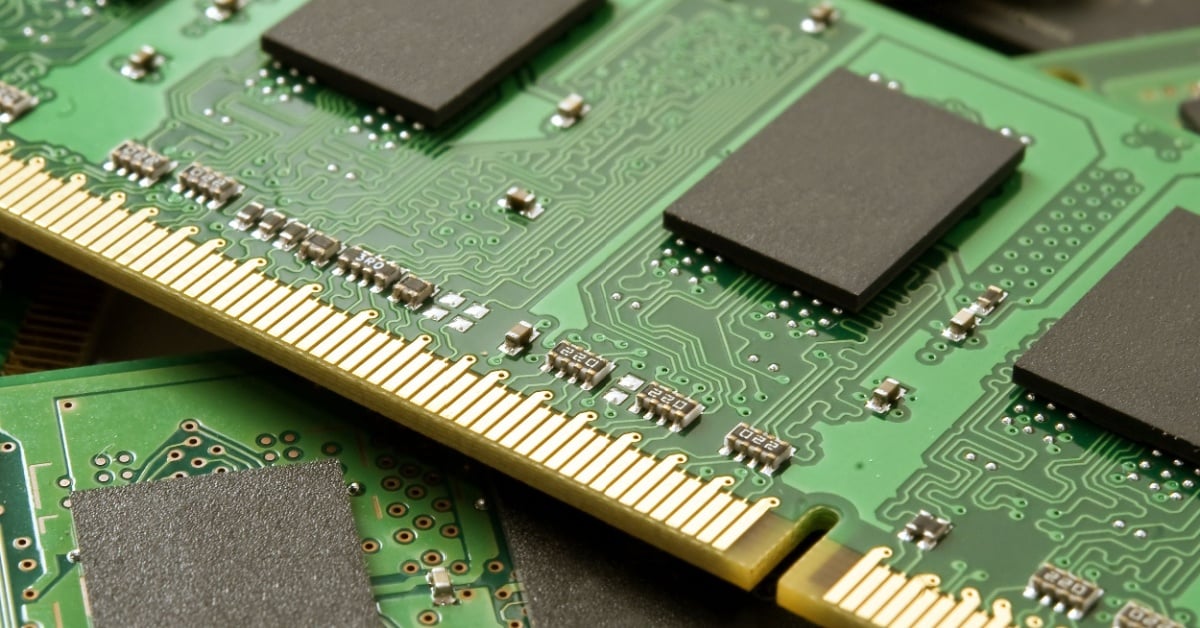
Gartner warns an AI-driven memory shortage will sharply raise DRAM and NAND costs—forecasting a further ~130% price rise by end-2026—and could eliminate budget PCs and depress global shipments (PCs down >10% in 2026; smartphones down ~8%). HP reported DRAM now accounts for 35% of PC build cost (up from 15–18% last quarter) and said 35% of its sales are AI PCs; Gartner expects AI PCs to remain premium and not exceed 50% market share until 2028. The analyst predicts extended device lifecycles (business +15%, consumer +20%) and warns the memory shortage may persist through end-2027, signaling downside pressure on OEM volumes and upward margin and component-cost risk for device makers and retailers.
Market structure is shifting pricing power to memory suppliers and their equipment chain while compressing OEM margins—HPQ (memory now ~35% of build cost) and low-end smartphone/PC vendors are the clear losers if Gartner’s +130% DRAM/NAND call to end-2026 materializes. Hyperscalers (demand-side) are the proximate drivers, creating a multi-year tightness scenario through 2027 unless capex accelerates; expect memory spot indices to lead OEM revenue/earnings surprises. Cross-asset: sustained memory-driven inflation increases odds of near-term upside in short-term yields/TIPS breakevens, supports KRW/TWD vs USD, and elevates options vol for MU/HPQ/MSFT; corporate credit of PC OEMs could weaken if margins compress >200–400bps.
Tail risks include a rapid supply response (accelerated Samsung/Micron capex) that could deflate prices by >30% within 12–18 months, or new export restrictions that further bifurcate supply and spike premiums for certain buyers. Time horizons: immediate (days–weeks) = elevated price and vol reactions around earnings/spot prints; short-term (3–9 months) = OEM earnings hits and demand destruction; long-term (2027–2028) = potential supply-led mean reversion. Hidden dependencies: enterprise refresh cycles lengthening (+15–20%) and secondhand markets blunt new-unit demand, while hyperscaler long-term contracts can mute near-term spot volatility. Key catalysts: MU/000660/005930 capex announcements, hyperscaler inventory disclosures, and monthly spot DRAM/NAND indices over next 30–90 days.
Trade implications: prefer long memory exposures (Micron MU, SK Hynix 000660.KS or Samsung 005930/SSNLF, ASML/AMAT for equipment optionality) and short/selective OEMs (HPQ) via options to limit downside. Specifics: buy MU LEAPs (12–24m) or 9–12m call spreads to capture sustained price realization; purchase 3–6m put spreads on HPQ sized to 1–2% portfolio to hedge PC exposure; implement long MU/short HPQ pair trade to express margin divergence. Rotate portfolio overweight to Semiconductors & Semiconductor Equipment, underweight Consumer Electronics/PC OEMs; increase tactical FX exposure to TWD/KRW vs USD if memory momentum continues.
Contrarian angles: consensus may understate speed of capex response—memory cycles historically mean-revert (2017–19 pattern) so a >30% rally in MU could reverse if capex accelerates or demand destructs via prolonged consumer deferral. The market may be over-discounting MSFT—its cloud scale can absorb cost or pass to enterprise customers, so avoid naked short MSFT; consider pairs (short HPQ, hedge with small long MSFT) instead. Watch unintended consequences: stronger used-device markets and enterprise life-extension could cap new-unit demand and shorten the effective memory cycle; monitor spot indices and capex announcements closely in the next 60–120 days for reversal signals.
AI-powered research, real-time alerts, and portfolio analytics for institutional investors.
Request TrialOverall Sentiment
strongly negative
Sentiment Score
-0.65
Ticker Sentiment
