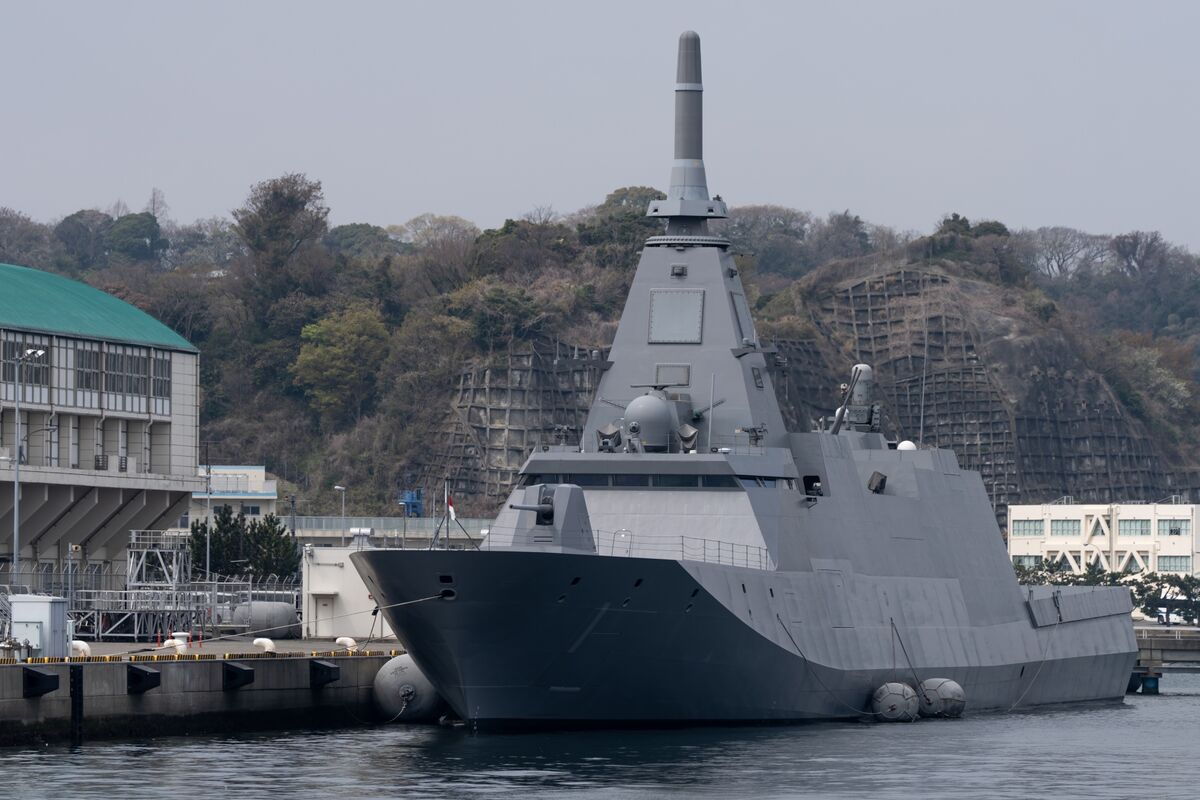
Australia is set to sign a multibillion-dollar deal to buy advanced Japanese frigates, a major procurement that should modernize the navy and deepen defense ties with Japan. The agreement also supports Tokyo’s push to expand its role in the global defense market. The deal is strategically significant for regional security and could benefit defense contractors, but it is primarily a bilateral policy and procurement event rather than a broad market catalyst.
This is less about a single ship order and more about a medium-horizon re-rating of Japan’s defense industrial base. The key second-order effect is that successful export execution lowers the political and pricing friction for future Japanese platform sales, which can lift the entire ecosystem from prime contractors to electronics, propulsion, and systems integrators. For Australia, the benefit is not just fleet modernization; it is faster interoperability with Japan and a more diversified procurement base away from U.S./European dependency, which improves bargaining power in future tenders.
The winners extend beyond the shipbuilder: radar, combat systems, underwater sensors, and munitions suppliers should see follow-on demand if this platform choice becomes the template for broader Indo-Pacific defense standardization. The likely losers are competing Western naval primes that had expected Australian recapitalization cycles to remain captive to traditional suppliers. In a geopolitically fragmented market, a credible Japanese win also pressures Korea and European shipyards to lean harder on price and delivery timelines, compressing margins on future bids.
The main catalyst path is slow-burn, not day-trade. The stock-price implication, if any, should accrue over months as order books, export financing, and production scaling become visible; the near-term risk is that headline enthusiasm fades if the contract economics, local content requirements, or delivery schedules prove less attractive than framed. The contrarian miss is that defense demand is real, but margins are not automatically; export success can force capex, hiring, and working-capital drag before earnings catch up, so initial valuation expansion may outrun cash flow realization.
AI-powered research, real-time alerts, and portfolio analytics for institutional investors.
Request TrialOverall Sentiment
mildly positive
Sentiment Score
0.30
