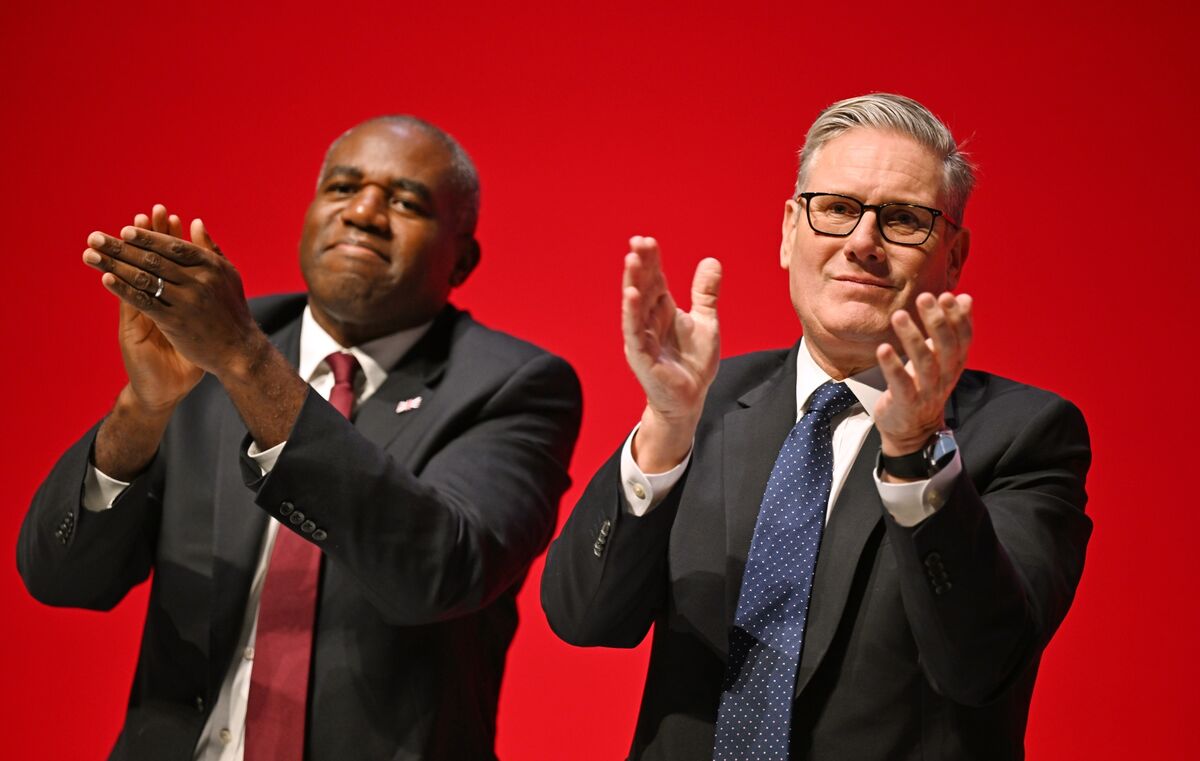
UK Prime Minister Keir Starmer is under pressure after reports that Peter Mandelson was appointed ambassador to the US despite failing security vetting, with the Foreign Office allegedly withholding that information from Downing Street. The article says Starmer may now be defined by this self-inflicted governance failure rather than by the Iran war. The piece is politically damaging but has limited direct market impact.
This is not just a reputational mess; it is a governance tax on every policy initiative that now depends on the Prime Minister’s authority. The immediate market effect is a credibility discount on the UK executive: if the government cannot manage basic appointments and disclosure discipline, investors will demand a wider political risk premium on any reform path that requires parliamentary bandwidth, especially fiscal tightening, planning reform, and defense procurement. In the near term, that raises the odds of policy drift rather than outright policy reversal, which is usually more damaging for sterling and domestic cyclicals because it freezes capex decisions without forcing a clean repricing event.
The second-order loser is the UK’s institutional throughput. Civil-service cohesion and ministerial retention matter because they determine whether the government can execute on defense, infrastructure, and immigration agendas that are supposed to anchor medium-term growth expectations. A prolonged scandal also increases the probability of an internal reshuffle or leadership challenge in weeks, not months, which would delay cabinet-level decisions and push out the timeline for any “stability premium” trade into 2026. Geopolitically, this is mildly negative for UK influence in Washington at a time when transatlantic coordination already matters more than usual.
The contrarian point is that this may be mostly a headline event unless it broadens into a pattern. UK government bond markets will likely care less about the scandal itself than about whether it forces a loosened fiscal stance or distracts from Budget preparation; absent that, the macro damage is more about confidence than solvency. That makes the setup attractive for short-dated dislocation trades rather than medium-term structural shorts: the market is likely to overprice leadership risk for a few sessions, then revert if the Commons performance contains the fallout.
AI-powered research, real-time alerts, and portfolio analytics for institutional investors.
Request DemoOverall Sentiment
strongly negative
Sentiment Score
-0.60
