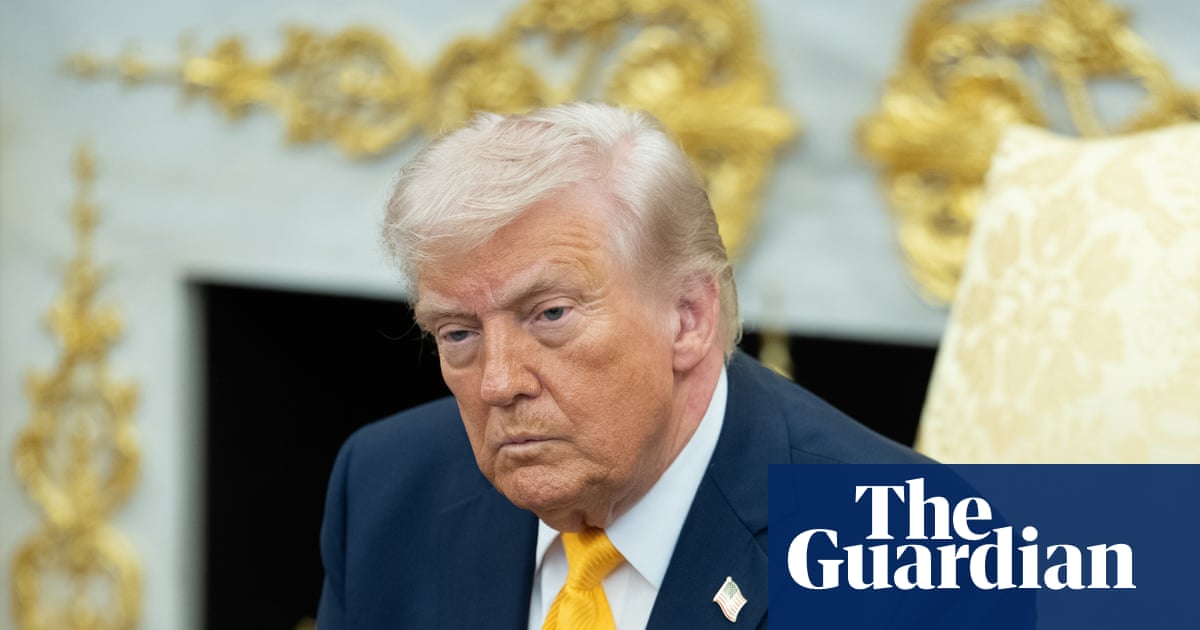
Israeli strikes on Iran's South Pars gasfield (a reserve shared with Qatar) have produced a public rift after President Trump said he was unaware of the targeting and told PM Netanyahu to refrain from further attacks. Netanyahu denied having 'dragged' Trump into a war, but the episode raises the risk of regional escalation and a higher energy risk premium that could push up natural gas and broader energy prices. Monitor Gulf gas/oil price moves, shipping/insurance cost changes, and US-Israel coordination signals for near-term market implications.
Markets will treat this as a regime-change event for energy infrastructure risk, not just a one-off headline. Even a modest rise in perceived probability of repeated strikes lifts short-term LNG/TTF/JMK risk premia because undersea and onshore repair timelines are measured in months and insurance claims can reduce available spare capacity by ~5-10% in peak seasons. Expect shipping charter rates for LNG carriers and specialized repair vessels to reprice higher within days; a sustained pattern of harassment raises capex/replacement cycles for subsea contractors and insurers over 6-18 months.
Second-order winners include sovereigns and corporates that can flex LNG output (Qatari-linked supply chains, spot-flexible exporters) and defense contractors that supply ISR, anti-missile and maritime security systems — these can see multi-quarter revenue re-acceleration even if overall hydrocarbon demand softens. Losers are counterparty-heavy commodity processors (fertilizer/NH3 producers) and regional utilities with tight storage margins who face immediate margin squeezes from spike-to-spread moves. Politically, the declared disconnect amplifies policy uncertainty in an election year: markets should price in higher volatility in USD/EM crosses and sovereign CDS for Gulf-adjacent states on any contagion.
Key catalysts to watch: (1) any follow-up attacks within 7-30 days which would force re-routing of LNG cargoes; (2) formal Qatari operational adjustments or force majeure notifications over 1-3 months; (3) diplomatic de-escalation/US-Israel coordination statements which can compress spreads quickly. Tail risk — prolonged damage to a major subsea trunkline — would be a months-long supply shock pushing JKM/TTF materially higher and improving cashflow for flexible LNG sellers and charter owners.
AI-powered research, real-time alerts, and portfolio analytics for institutional investors.
Request DemoOverall Sentiment
strongly negative
Sentiment Score
-0.60
