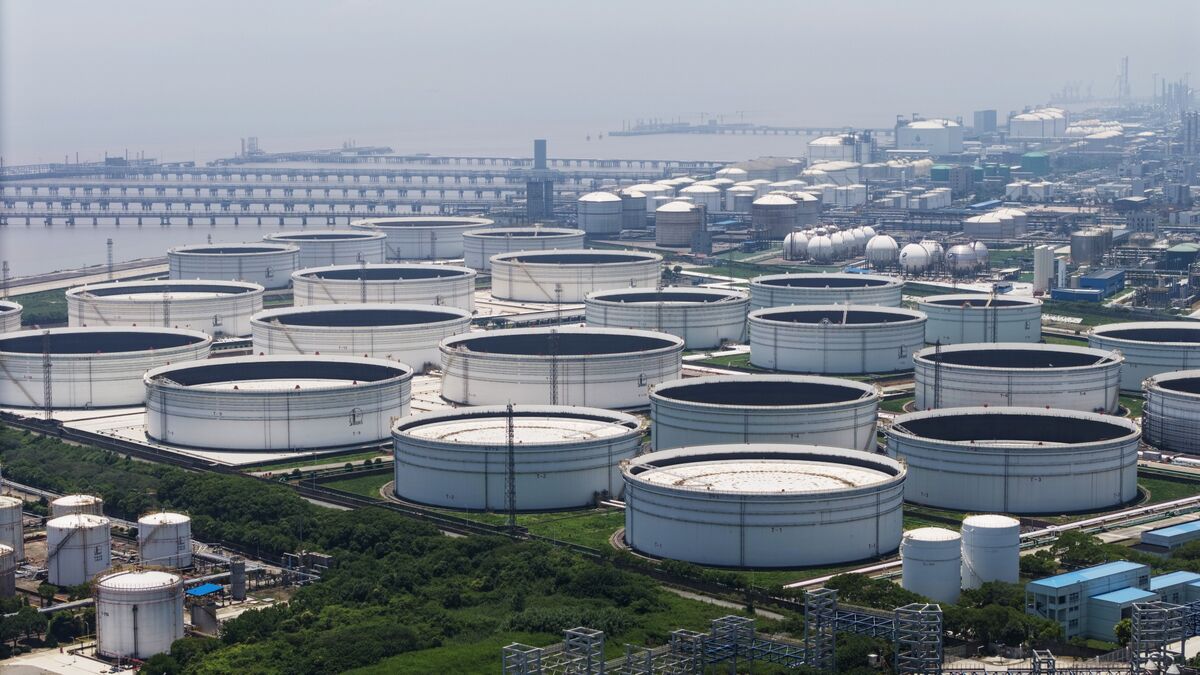
The International Energy Agency (IEA) has warned of an "untenable" global oil surplus, projecting output to exceed consumption by an average of 3.33 million barrels per day in 2026, a significant increase from previous estimates. This widening supply-demand imbalance, driven by higher supply projections despite boosted demand forecasts, will test China's capacity to absorb excess crude through its stockpiling efforts, signaling potential downward pressure on oil markets.
The International Energy Agency's (IEA) latest monthly report points to a significant and growing supply-demand imbalance in the global oil market, presenting a bearish outlook for crude prices. The agency now projects an "untenable" surplus averaging 3.33 million barrels per day in 2026, an estimate that has been revised upward by 360,000 barrels per day from just a month prior. This widening glut is occurring despite the IEA simultaneously boosting its demand forecasts, indicating that supply growth is substantially outpacing consumption. The report specifically highlights that this oversupply will test the absorption capacity of China's stockpiling program, a key support mechanism for the market. The forecast for a persistent and expanding surplus points to significant downward pressure on crude prices, a conclusion supported by the report's strongly negative sentiment score (-0.6) and high market impact rating.
AI-powered research, real-time alerts, and portfolio analytics for institutional investors.
Request DemoOverall Sentiment
strongly negative
Sentiment Score
-0.60
Ticker Sentiment
