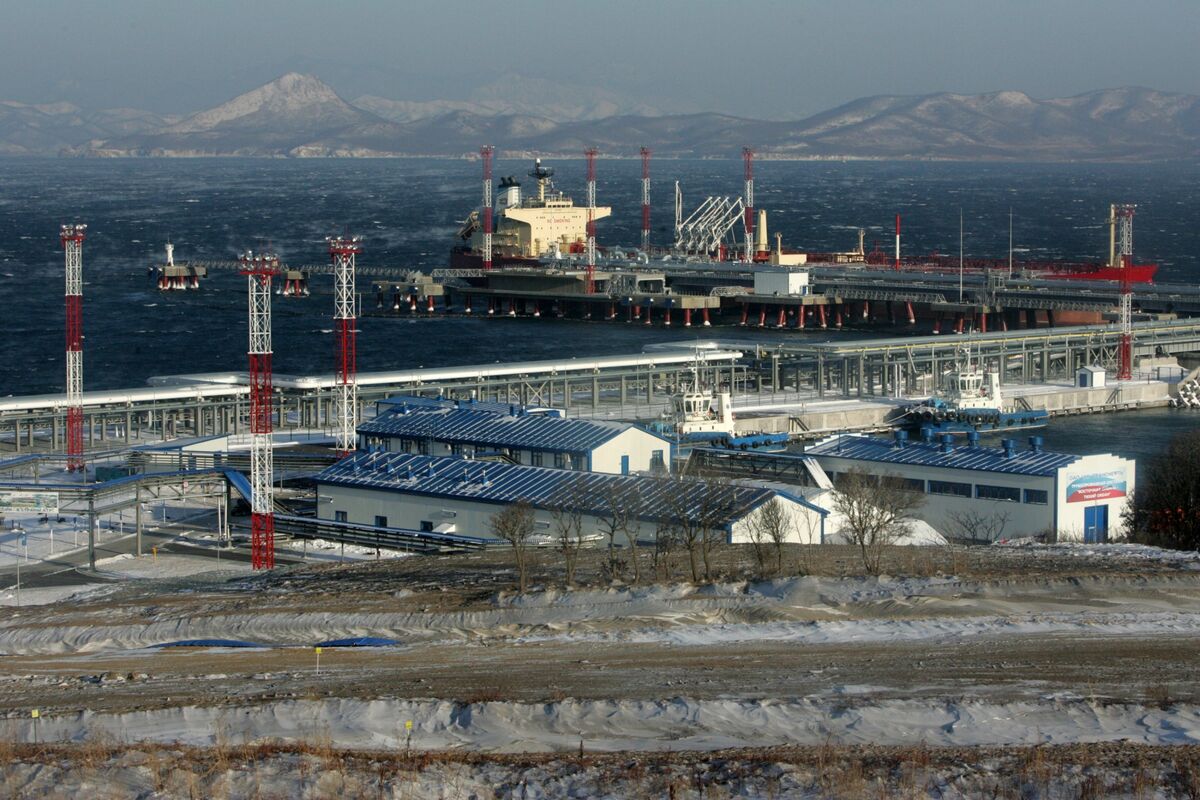
Crude oil exports from Russia's Pacific Kozmino terminal are now significantly harder to track due to widespread ship-signal spoofing, an electronic interference technique that generates false vessel positions and speeds. This development complicates the monitoring of Russian oil movements, impacting market transparency and potentially hindering sanctions enforcement efforts for institutional investors and commodities traders.
The emergence of sophisticated electronic interference, specifically signal spoofing, at Russia's Pacific Kozmino oil terminal introduces a significant layer of opacity into the global energy market. This process, which floods global positioning systems with false transmissions, makes it materially harder to track crude oil tanker movements from a key Russian export hub. The immediate consequence is a degradation of data integrity for a critical portion of Russia's seaborne oil supply, complicating real-time supply-side analysis. For market participants, this development directly impacts the ability to monitor compliance with international sanctions and price caps on Russian crude, creating information asymmetry. The uncertainty surrounding the actual volume and destinations of these exports heightens geopolitical and compliance risks for entities involved in oil trading, shipping, and insurance.
AI-powered research, real-time alerts, and portfolio analytics for institutional investors.
Request DemoOverall Sentiment
moderately negative
Sentiment Score
-0.50
