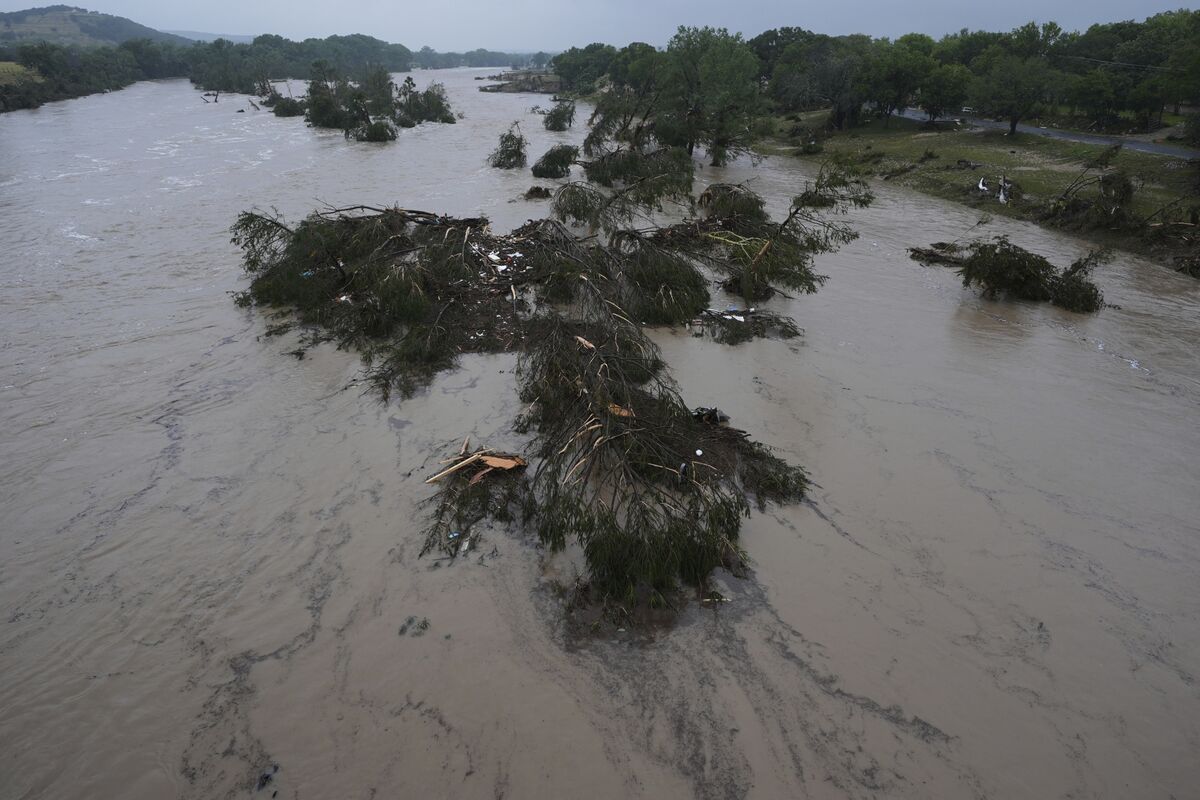
Severe flash flooding in Texas Hill Country's central Kerr County has resulted in 24 confirmed fatalities and numerous individuals unaccounted for, including over 20 girls from a summer camp. The catastrophic event, triggered by more than 10 inches of rain in a few hours, has necessitated extensive boat and helicopter rescue operations along the Guadalupe River as search teams contend with fast-moving floodwaters.
A severe weather event has resulted in a significant humanitarian crisis in Texas Hill Country, with reports of 24 fatalities and numerous individuals unaccounted for following flash flooding of the Guadalupe River. The flooding was triggered by an extreme rainfall event, with over 10 inches recorded in a short period in central Kerr County. From a financial markets perspective, the immediate impact appears negligible. The provided information contains no reference to publicly traded companies, specific industries, or critical economic infrastructure. Consequently, the event is currently categorized as a localized natural disaster with no direct, quantifiable impact on market-related entities or broad economic activity, a conclusion supported by the market impact score of zero.
AI-powered research, real-time alerts, and portfolio analytics for institutional investors.
Request DemoOverall Sentiment
neutral
Sentiment Score
0.00
