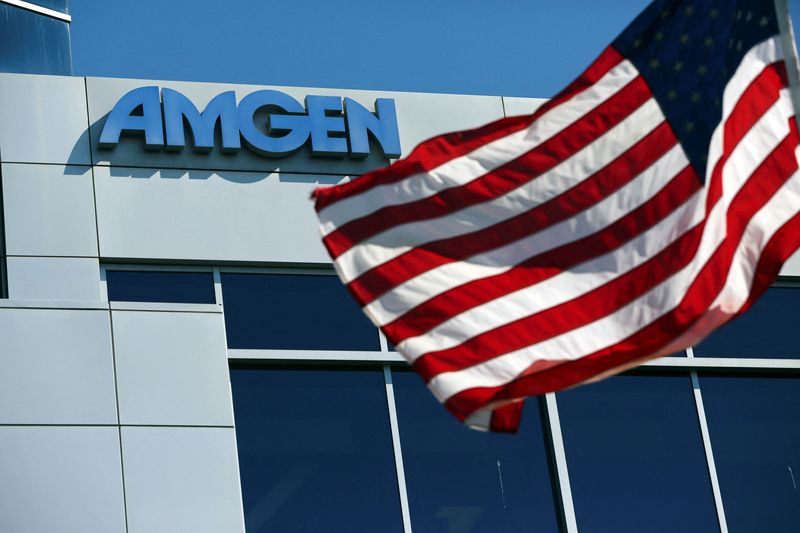
The FDA announced a new AI-enabled program to monitor clinical trials in real time, aiming to cut months or years from drug development timelines. The initiative could improve the U.S. competitiveness for early-stage drug research and benefit small biotech firms, with pilot trials already underway at AstraZeneca and Amgen. The move is constructive for healthcare innovation but is still early-stage and not yet a broad policy shift.
This is less about near-term revenue upside for the two named companies than about a structural shift in who captures the next dollar of innovation margin. Real-time regulatory review compresses cycle time, which disproportionately benefits firms with deep trial pipelines, centralized data infrastructure, and the ability to redeploy capital quickly; that tilts the playing field toward large pharma and away from slower, data-poor development shops. The second-order winner is the clinical data stack: CROs, eSource/eClinical platforms, and trial-analytics vendors should see higher demand as sponsors race to make data stream in regulator-ready formats.
The biggest near-term inefficiency is that the market will likely price this as a binary “biotech positive,” but the impact is more nuanced. Earlier readouts reduce dead capital in Phase 1/2, which should improve IRR for private biotech and VC-backed portfolios, but also raise the dispersion between companies with genuinely actionable signals and those whose programs were already marginal. In other words, this is bullish for capital-light platform biotech, but potentially bearish for the long tail of speculative preclinical names that rely on slow-moving funding markets and narrative optionality.
The main reversal risk is execution: if the FDA’s monitoring framework increases false positives, creates data-quality disputes, or becomes operationally burdensome, sponsors will treat it as another compliance layer rather than a speed upgrade. That would cap the benefit to a 6-12 month window and leave only the best-prepared large-cap sponsors with an advantage. The broader contrarian point is that the market may be underestimating how much this compresses the time-to-fail as much as time-to-approve, which can actually reduce aggregate biotech multiples even while improving winners’ economics.
AI-powered research, real-time alerts, and portfolio analytics for institutional investors.
Request DemoOverall Sentiment
mildly positive
Sentiment Score
0.18
Ticker Sentiment
