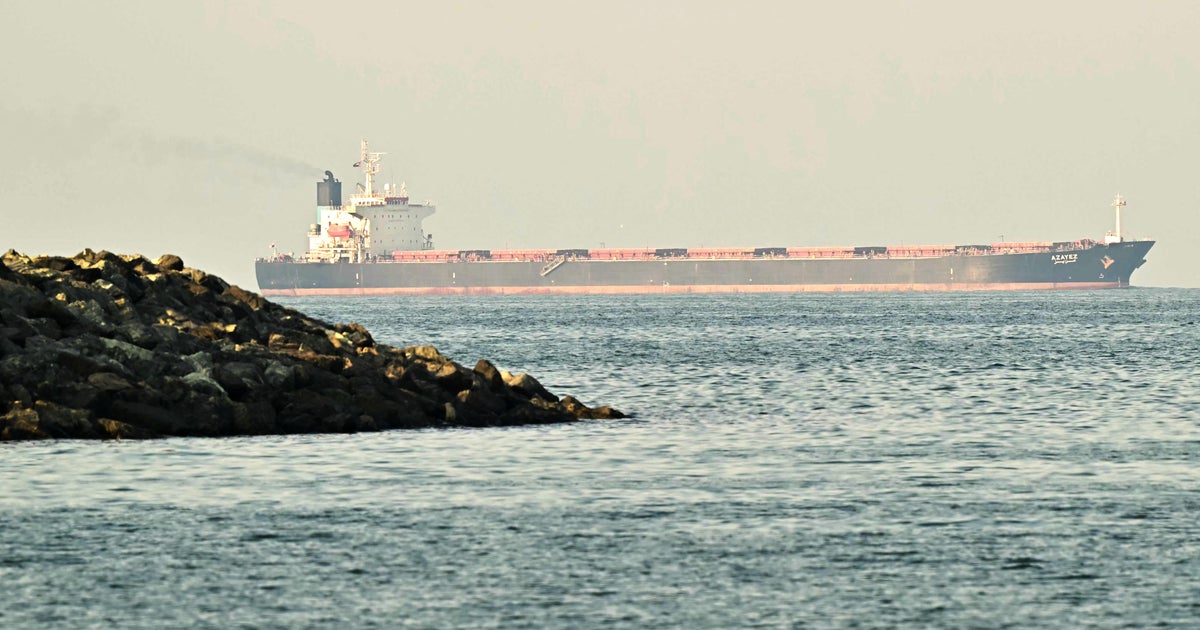
Iran is reportedly preparing to deploy naval mines in the Strait of Hormuz, with historical estimates of roughly 2,000–6,000 mines and reports of small craft carrying 2–3 mines each. The strait transits about 20% of global oil supply, so even limited disruption could materially tighten oil market balances and lift crude prices, creating knock-on effects for inflation and shipping costs. U.S. forces are hunting mine-laying vessels and storage sites, and major maritime insurers have begun suspending coverage in parts of the Gulf, increasing operating costs and risk premia for tanker operators.
The immediate market transmission is not just a crude-price shock but a structural freight-cost and time-to-delivery shock: longer voyage routings and elevated war-risk premia will raise tanker days and effective landed cost per barrel, amplifying short-term volatility in refined-product cracks even if net crude throughput only falls modestly. Expect realized and implied volatility curves for Brent/ICE to steepen asymmetrically — 1-month vols can gap up 50-150% on discrete incidents while 3–6 month vols price in a persistent premium until corridor risk normalizes.
Second-order beneficiaries are owners of floating storage and flexible shipping capacity, plus refiners that can flex run-rates into advantaged local crude grades; losers are just-in-time consumers of seaborne crude and industries with tight inventory turns (petchem feedstocks, certain East Asian refiners). Reallocation of insurance capacity and charter-party renegotiations will create winners among firms able to capture higher freight revenues and winners among traders that can arbitrage physical timing mismatches.
Key tail risks and time horizons: a discrete kinetic escalation yields 3–10 day market shocks, a semi-permanent rerouting/insurance withdrawal creates a 1–9 month elevated premium environment, and a protracted strategic blockade would be multi-year for infrastructure and supply-chain repricing. Reversals will come from credible de-escalation, coordinated strategic releases from reserves, or a fast insurance-market reconstitution; politically-driven interventions are the highest-probability reversal catalyst within 0–60 days.
From a positioning perspective, the consensus will likely underweight freight and storage optionality and over-index to headline oil longs. The more attractive asymmetric trades buy short-dated convexity (volatility) and shipping optionality while hedging directional crude exposure; avoid one-way outright long crude without owning the logistics optionality that captures the freight/time-value uplift.
AI-powered research, real-time alerts, and portfolio analytics for institutional investors.
Request DemoOverall Sentiment
strongly negative
Sentiment Score
-0.65
