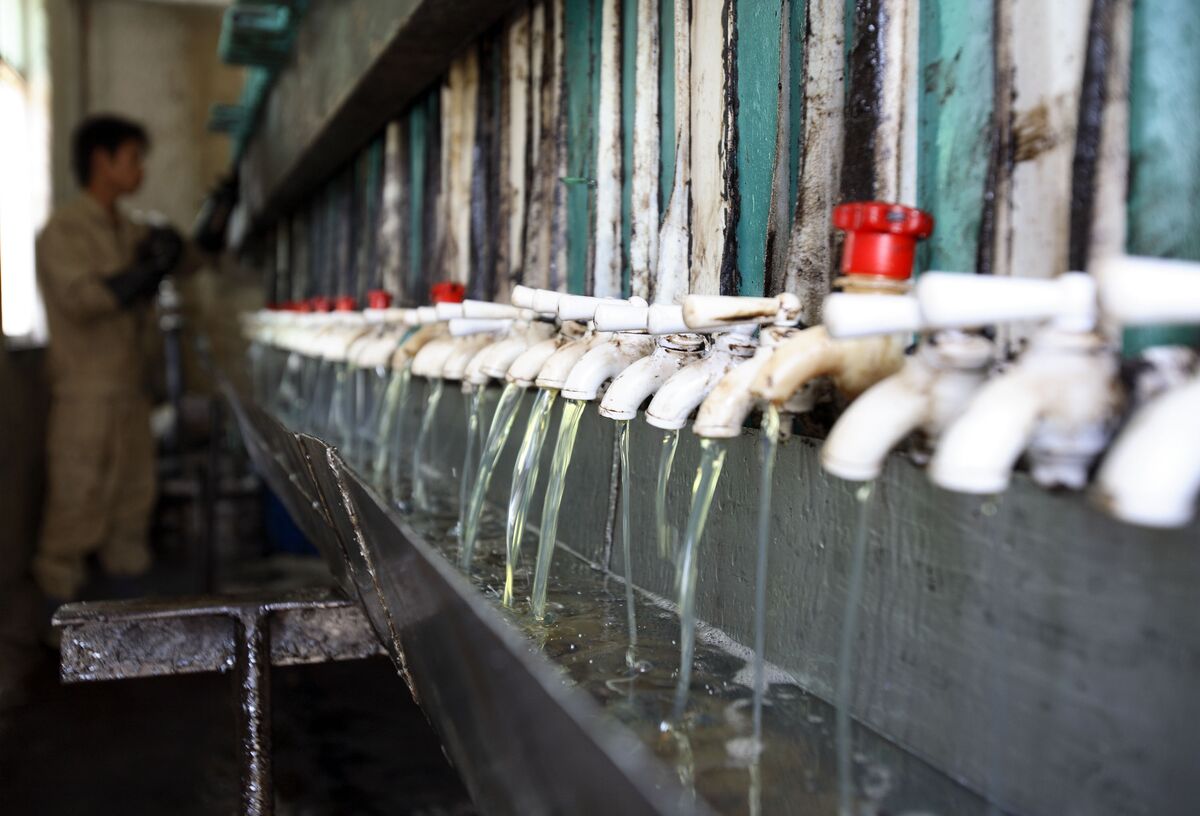
US imports of used cooking oil from China are accelerating, with two cargoes totaling 339,000 barrels arriving in the last month, the largest volume this year. Higher US biofuel-blending requirements and war-driven energy costs are making UCO a relatively cheap feedstock, supporting demand for renewable diesel input supplies. The biggest share landed at Port Arthur, Texas, highlighting a meaningful shift in trade flows and feedstock sourcing for the biofuels sector.
The immediate winners are not just the obvious processors but the few operators with access to feedstock arbitrage and existing pretreatment capacity. When UCO is cheap relative to petroleum diesel inputs, margins expand first at the renewable diesel complex level, then downstream into renewable diesel credit generation; that should disproportionately favor DAR’s earnings leverage versus more commodity-like renewable names. The second-order effect is that tighter imports from China can also squeeze smaller U.S. biodiesel producers that lack long-term feedstock contracts, because they will be forced to chase spot barrels into a suddenly more competitive market.
The macro setup matters more than the cargo count: higher war-related energy costs raise the ceiling for conventionally priced diesel, which improves the economics of blending and helps sustain policy compliance without requiring extreme RIN pricing. That creates a near-term tailwind over the next 1-2 quarters for renewable diesel utilization rates, but it also introduces a reversal point if crude and diesel retrace sharply or if policy enforcement softens. In that case, the current feedstock arb collapses faster than most investors expect because UCO is a relatively small, globally traded pool and margins are highly sensitive to transport and processing spreads.
The contrarian angle is that the market may be overestimating the durability of this source of supply. Reliance on Chinese UCO invites political and traceability risk; any anti-dumping scrutiny, ESG backlash, or customs tightening could interrupt flows within weeks, not years. That makes the trade less about permanent demand growth and more about volatility in the spread between imported waste-oil feedstock and domestic alternatives, especially as more capital rushes into the same lane.
For DAR, the setup is constructive but not a straight-line rerate; the best expression is to own the cash-flow torque while hedging against policy or input-cost reversals. The key is timing: the earnings impact should show up over the next 1-2 quarters if volumes persist, but the stock can reprice earlier if the market starts underwriting higher renewable diesel utilization and better feedstock economics. Risk/reward improves if crude remains firm and UCO imports stay in the data for multiple prints; it deteriorates quickly if cargoes stall or if renewable diesel margins compress on a diesel selloff.
AI-powered research, real-time alerts, and portfolio analytics for institutional investors.
Request DemoOverall Sentiment
mildly positive
Sentiment Score
0.15
Ticker Sentiment
