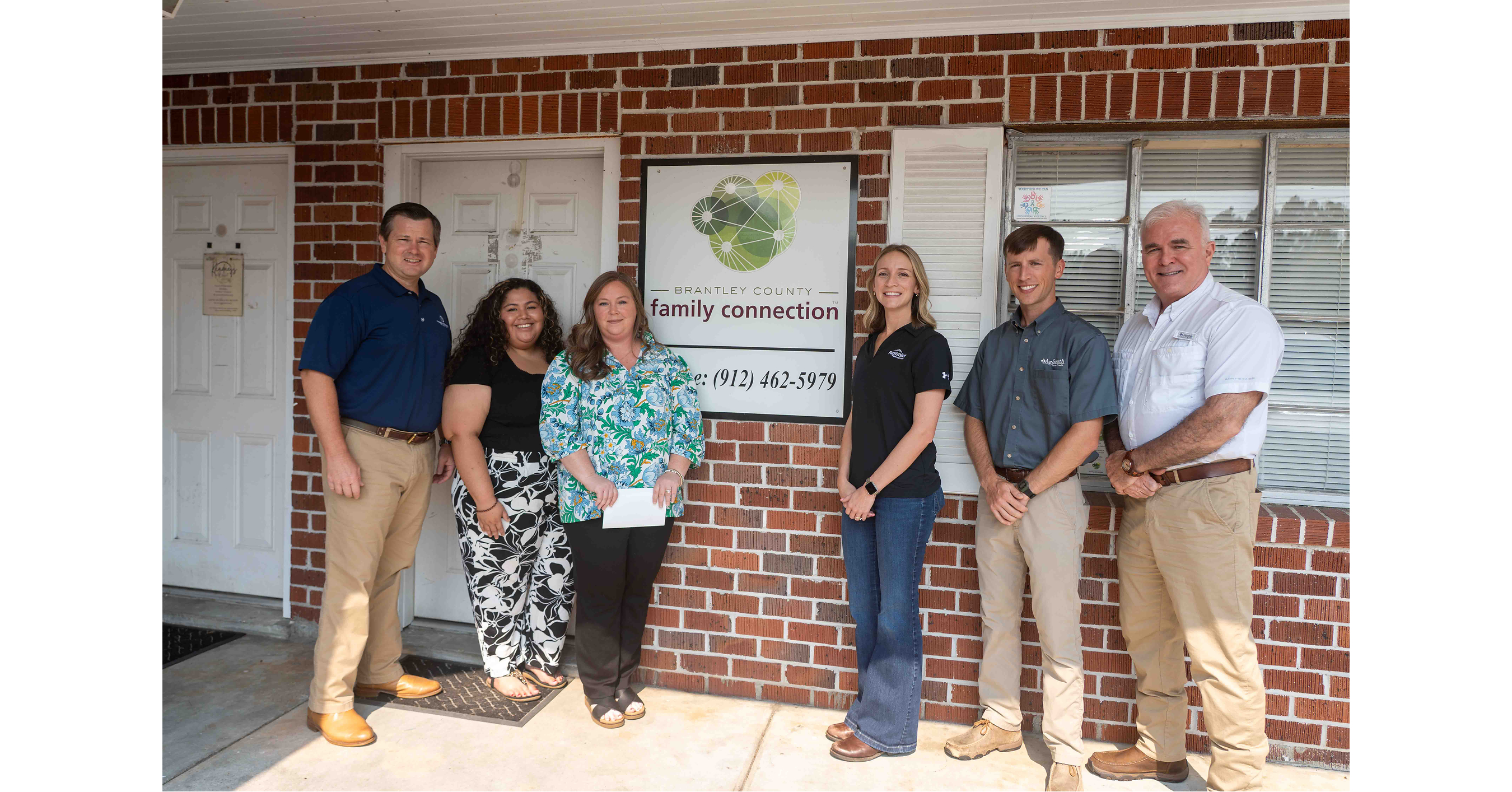
Georgia Forestry Foundation awarded an $85,000 grant to Brantley County Family Connection to support over 30 families rebuilding after the Highway 82 Fire. The article cites severe damage—110 homes destroyed, 27 damaged, and 22,419 acres burned—plus additional strain from the nearby Pineland Road Fire burning ~10,000 acres. While the grant is a positive relief step, the underlying wildfire impact is strongly negative for affected communities and first responders.
This is not a direct equity catalyst; the grant is a liquidity bridge for a very local rebuild, not an earnings event. The investable read-through is second-order: repeated wildfire losses in the Southeast can gradually push homeowners and rural-commercial insurers to reprice catastrophe assumptions, tighten deductibles, and reduce appetite for exposed zip codes before it shows up in headline loss ratios. That matters more for regional property writers and reinsurers than for any single donor or county-level recovery vehicle.
The immediate beneficiaries are not obvious equity names but the vendors that get paid in the reconstruction phase: well/septic contractors, HVAC, building materials, and local labor. Public-market exposure is indirect via home-improvement retailers and selected building-products names, but the dollar magnitude is likely too small to move fundamentals unless follow-on aid and insured rebuild claims are materially larger than implied. The more durable angle is that the Southeast wildfire narrative broadens the climate-risk book for carriers underwriting outside the West, which can support pricing discipline over the next 1-3 renewal cycles.
Contrarian view: the market may overestimate the macro relevance of a disaster-relief announcement. Philanthropic funding does not change timber supply, public-company revenue, or regional GDP in a measurable way, and a lot of the rebuild spend will leak to uninsured labor and local contractors. What could make it matter is a sequence effect: if Georgia/Carolinas see another fire season with elevated acreage and residential losses, then loss-cost inflation, nonrenewal activity, and reinsurance pricing become a 6-18 month story rather than a one-off headline.
AI-powered research, real-time alerts, and portfolio analytics for institutional investors.
Request DemoOverall Sentiment
mildly negative
Sentiment Score
-0.25
Ticker Sentiment
