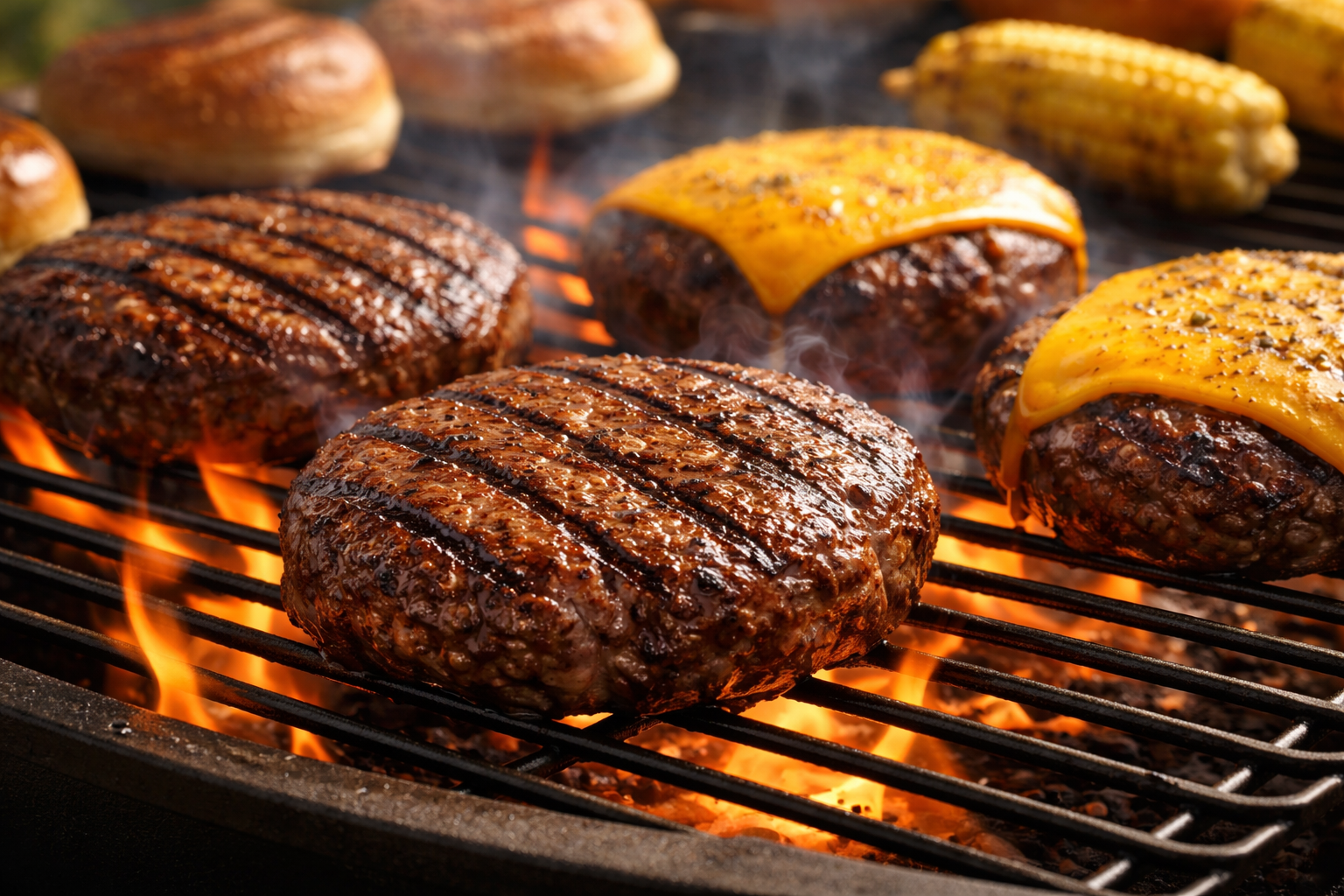
U.S. beef prices are near record highs heading into Memorial Day, with cattle inventory at its lowest level in more than 70 years and retail prices for ribeye, brisket, and ground beef up sharply year over year. Drought, higher feed and operating costs, and strong grilling-season demand are tightening supply and pushing consumers toward cheaper alternatives like chicken, pork, hot dogs, and plant-based proteins. The article points to modest consumer cost pressure rather than a broad market shock.
The immediate market implication is not just higher grocery bills, but a relative-margin shift inside the protein basket. When beef spikes faster than household income, consumers usually downshift to chicken and pork first, which means the winners are the value-tier processors, not necessarily the broad food complex. That creates a short-term demand surprise for chicken wings, thighs, hot dogs, and private-label pork packs, while premium beef brands face a volume/mix tradeoff: they can raise prices, but only until retail traffic starts leaking to cheaper proteins.
Second-order effects show up in foodservice and convenience channels before they show up in aggregate CPI. Restaurants that feature burgers and brisket are likely to protect traffic via smaller portions, menu-engineered blends, and limited-time chicken promotions; that generally compresses margins for operators with little pricing power. Conversely, suppliers with diversified protein exposure and strong contract coverage can benefit from input-cost dislocation because they can source cheaper proteins while retail pricing remains sticky for several weeks.
The bigger contrarian risk is timing: this is a classic inventory cycle that can stay tight for months but reverse sharply over a longer horizon if herd rebuilding accelerates or demand softens under cumulative price fatigue. Because cattle biology is slow, the supply response is measured in years, so the near-term catalyst path is mostly weather and feed costs; a meaningful improvement in pasture conditions or corn prices would eventually cap beef inflation, but not before the summer grilling season has passed. The market may be underestimating how persistent the substitution trade can be if consumers remain stubbornly value-sensitive even in a resilient labor market.
From a portfolio perspective, this is a better relative-value than absolute-beta trade: long the cheapest proteins and short the high-end beef exposure, while watching for a late-summer reversal if retailers overshoot promotions and clear inventory. The cleanest expression is to own businesses that benefit from mix shift and discount channels rather than trying to short beef price pass-through directly, which is often lagged and noisy.
AI-powered research, real-time alerts, and portfolio analytics for institutional investors.
Request DemoOverall Sentiment
mildly negative
Sentiment Score
-0.28
