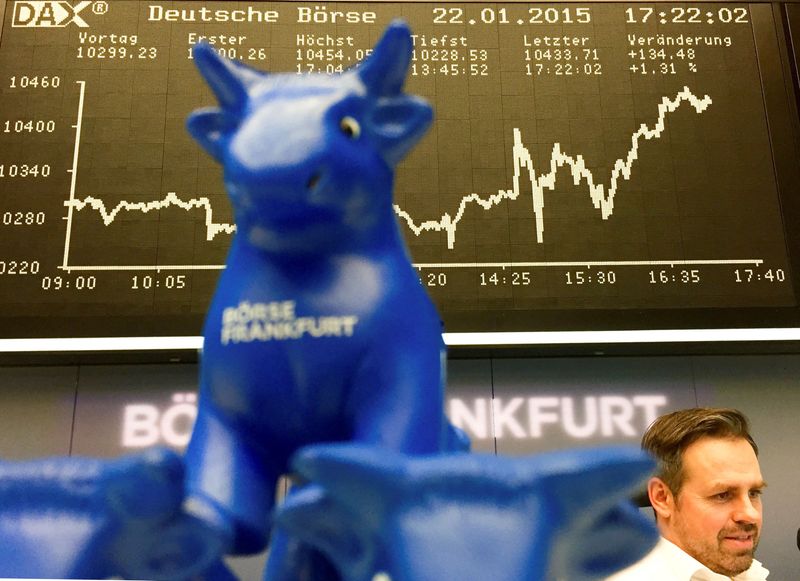
Brent crude jumped 3.3% to $103.58 after Japan, Germany and Australia refused to join U.S. efforts to reopen the Strait of Hormuz amid Iranian threats and U.S.-Israeli strikes, tightening oil flows. European indices were mixed (Stoxx 600 -0.1% to 598.08; Dax -0.3%; FTSE +0.1%) as container sailings were halted, amplifying supply‑chain disruption and inflation risks. Goldman says European gas tightening could support further upside in TTF in Q2; elevated oil-driven inflation may force central banks to reconsider rate paths even though ECB and Fed are seen keeping rates at this week's meetings.
Maritime disruption and risk repricing create a transmission channel into European gas markets via two fast-acting levers: cargo diversion (longer voyages reduces available spot supply into Europe) and insurance premia (raising landed LNG costs and forcing some cargoes onto alternative buyers). Both operate on a weeks-to-quarter horizon and magnify seasonal storage shortfalls because marginal cargoes become economically non-viable to deliver, steepening prompt TTF forward curves relative to winter strips.
That gas tightening cascades into industrial and power markets in predictable ways: gas-intensive chemical and fertilizer margins compress first, prompting curtailed runs within 4–12 weeks, while utilities with flexible coal/gas stacks arbitrage fuel-switching and capture widened dark/spark spreads. Simultaneously, a higher fuel-driven power baseline tends to lift EUA and short-duration commodity-linked equities, concentrating upside in mid-cap integrated utilities and storage owners rather than pure-play renewables.
Policy and market-risk framing matters: if energy-driven CPI surprises persist beyond one policymaker meeting, ECB terminal-rate expectations could reprice materially (weeks→months), pressuring long-duration equities and funding-sensitive names. Reversal catalysts include rapid diplomatic de-escalation, large SPR-style LNG reallocation, or European demand destruction; any of these could compress the TTF curve quickly, giving back a large fraction of near-term moves within 30–90 days.
AI-powered research, real-time alerts, and portfolio analytics for institutional investors.
Overall Sentiment
mildly negative
Sentiment Score
-0.30
Ticker Sentiment
