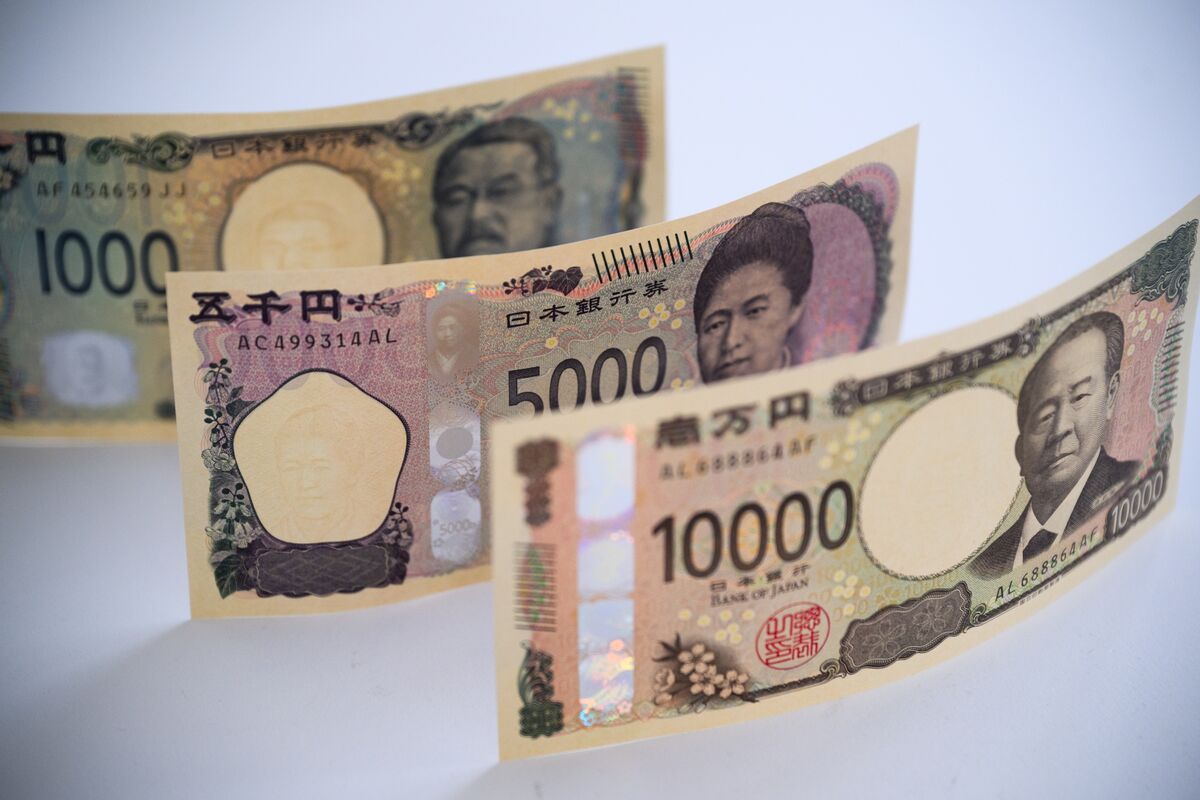
The yen fell to 160.79 per dollar, its weakest level versus the US dollar since July 2024, increasing the risk of Japanese official intervention. The move came as the dollar strengthened on rising bets that the Federal Reserve will raise interest rates this year, pressuring major currencies broadly. The article is primarily FX- and policy-driven and could influence currency markets and intervention expectations.
The bigger issue is not the spot print itself but the regime signal: once the market starts treating intervention as a near-term event, the yen becomes a one-way funding currency again. That mechanically supports carry trades into higher-beta assets, but it also increases the chance of a violent squeeze if policymakers choose to act around a thin-liquidity window. In other words, the path is bearish for the yen until it suddenly isn’t, and that asymmetry usually compresses risk budgets fast.
The second-order winners are US assets that benefit from a stronger dollar and cheaper funding, while exporters with Japan-heavy revenue streams face a translation headwind. More importantly, Japanese importers and domestic consumer sectors are getting squeezed at the same time that rate-sensitive global assets are repricing on renewed Fed tightening odds, so this is not just an FX story — it is a cross-asset tightening of financial conditions. If the move persists for weeks, it can tighten Japanese domestic liquidity conditions enough to pressure equities with high foreign cost exposure and force hedging demand higher.
The key catalyst path is intervention versus policy divergence. If officials intervene, the first move is likely a sharp yen rally that fades unless US rate expectations reverse; if they do nothing, the market may overshoot as trend followers and hedgers chase the breakout. The contrarian angle is that a very weak yen may already be nearing the point where positioning becomes crowded enough to make the first intervention response disproportionately effective, so chasing USD/JPY here has poor asymmetry unless expressed with defined risk.
A more interesting trade is to fade the extremes through options rather than spot, while keeping an eye on rate differentials as the real driver. The market is underestimating how quickly a yen squeeze can propagate into global de-risking if it coincides with a hawkish Fed repricing and thin summer liquidity.
AI-powered research, real-time alerts, and portfolio analytics for institutional investors.
Request DemoOverall Sentiment
mildly negative
Sentiment Score
-0.20
