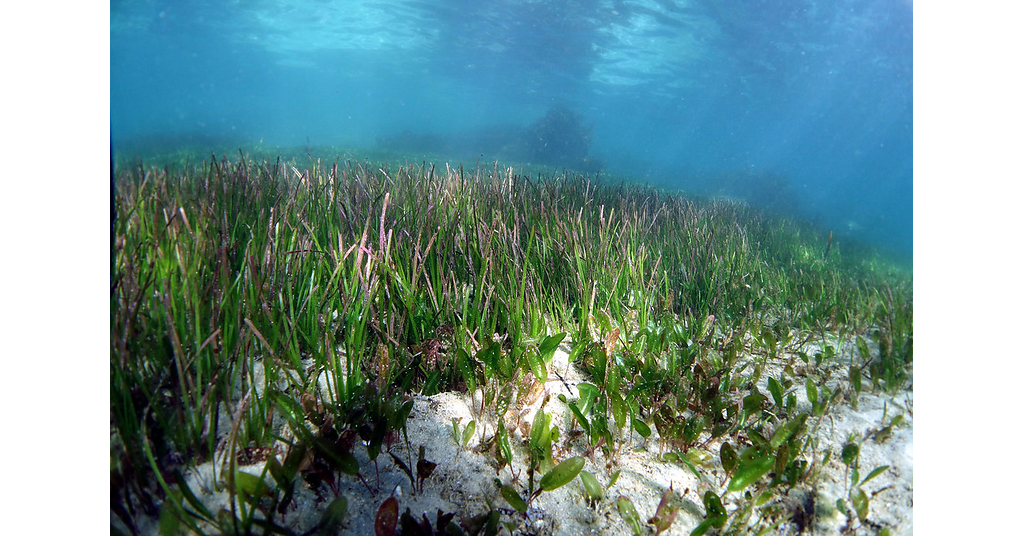
The Hasanuddin University study assesses 21 seagrass meadows across Central and Eastern Indonesia using a Seagrass Ecological Quality Index (SEQI) to map hotspots (healthy), coldspots (degraded), and outliers (transition zones). The research highlights targeted conservation and restoration priorities to protect biodiversity, improve coastal resilience, and strengthen “blue carbon” sink capacity. While no financial figures are provided, the work is supportive of SDG-aligned, climate-relevant coastal ecosystem management.
This is better read as a policy-enabling datapoint than a direct earnings catalyst. The investable implication is that Indonesia is inching toward more granular coastal zoning and blue-carbon accounting, which tends to reward actors that can monetize compliance, restoration, or carbon MRV over operators that depend on frictionless shoreline access. The immediate market impact is negligible, but the medium-term effect is a higher option value on conservation-linked funding and a higher approval hurdle for coastal capex.
The second-order losers are more likely to be offshore/logistics, aquaculture, dredging, and resource projects with shoreline externalities than the small set of companies named in the release. If the framework is adopted by provinces or folded into permitting, it can quietly raise project timelines and compliance spend by 6-18 months, especially in eastern Indonesia where industrial buildout and marine ecosystems overlap. Conversely, the beneficiaries are consultants, restoration contractors, and any carbon developers able to prove permanence and land-rights control.
Contrarian view: the market may be overrating near-term monetization of blue carbon. Mapping and ecological prioritization do not solve tenure, verification, leakage, or credit liquidity; those bottlenecks usually keep “green premium” narratives from translating into cash flow for multiple quarters, sometimes years. The real catalyst to watch is not the study itself, but whether Indonesian regulators or local governments use it to change zoning, delay permits, or fund restoration budgets.
AI-powered research, real-time alerts, and portfolio analytics for institutional investors.
Overall Sentiment
neutral
Sentiment Score
0.05
Ticker Sentiment
