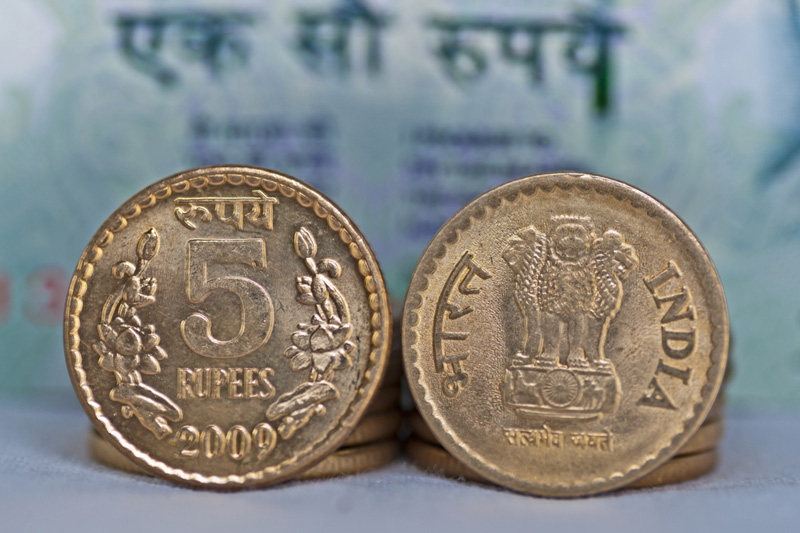
The RBI is considering multiple stabilizing measures, including a potential interest rate hike, additional currency swaps, and raising dollars from overseas investors, after the rupee fell to a record low near 97 per dollar. The currency has lost about 6% since the onset of the Iran war, with higher oil prices and global bond yields adding pressure. Rising energy costs could further lift Indian inflation and increase the case for tighter policy.
The market is still underpricing how fast a weaker rupee can transmit into India’s macro mix: imported energy, food-linked inflation, and external funding costs all move at once. That combination is especially toxic for domestic duration because any RBI tightening signal would arrive with a growth headwind, not a growth buffer, meaning the front end of the curve can sell off even if the central bank ultimately prefers FX tools over a full-rate response.
Second-order beneficiaries are not the obvious hedges but firms with hard-currency revenue and low India import dependence. Indian IT services and global outsourcing names should gain relative strength as INR weakness lifts reported margins, while airline, chemical, and paint franchises with dollar-linked input costs face a margin squeeze unless they can pass through quickly. If energy stays elevated, the pain compounds: the rupee weakness amplifies the local currency burden of oil imports, creating a reflexive loop that can keep inflation expectations sticky for several quarters.
The key contrarian point is that the RBI may choose a credibility-preserving FX intervention package instead of a rate hike if growth is already soft. That would be bullish for domestic cyclicals in the short run, but only briefly; reserve deployment can slow the move, not reverse the fundamental terms-of-trade shock. The cleaner trade is to assume volatility persists for weeks and that the risk is skewed toward further INR downside unless crude and global yields both ease materially.
AI-powered research, real-time alerts, and portfolio analytics for institutional investors.
Overall Sentiment
moderately negative
Sentiment Score
-0.35
Ticker Sentiment
