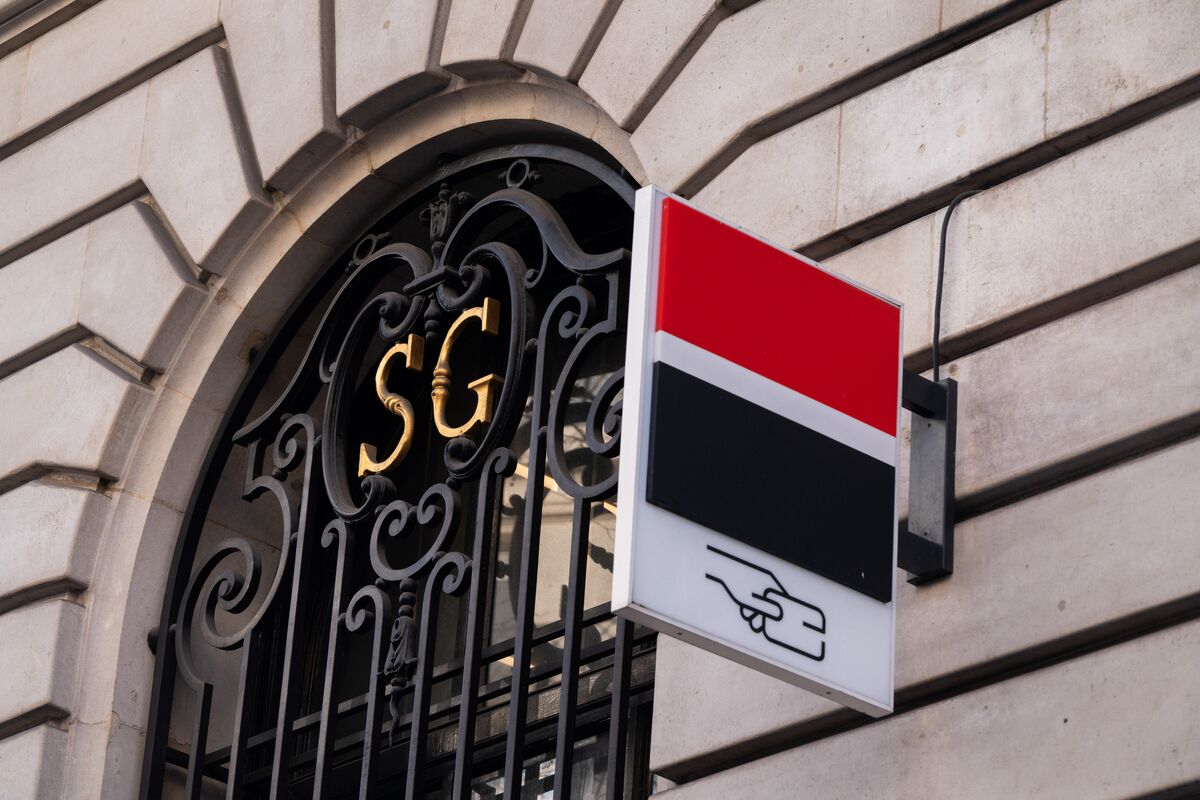
Europe’s top banks have set aside $710 million in first-quarter provisions to cushion against spillover risks from the Iran war, reflecting growing economic and geopolitical stress in the region. BNP Paribas, Societe Generale and Standard Chartered cited potential pressure from surging oil prices and fragile supply chains. The news is negative for bank earnings and points to broader macro risk for European markets if energy costs and trade disruptions worsen.
This is less about direct credit exposure to the conflict and more about the second-order hit to European financial intermediation: higher energy prices, wider shipping/insurance premia, and a tighter funding backdrop will first show up in loan demand and payment volumes before it shows up in outright losses. The banks making provisions are effectively signaling that corporate stress is likely to migrate from commodities and transport into mid-cap industrials, exporters, and trade-finance-heavy names over the next 1-2 quarters. That makes the earnings risk broader than the headline suggests: fee income can soften even if credit losses remain manageable.
The key market dynamic is dispersion. Banks with heavier emerging-market, trade-finance, and commodity-linked exposure should underperform domestic retail deposit franchises with cleaner balance sheets. A sustained oil shock also creates a lagged squeeze on European consumer spending and working-capital cycles, which is bearish for lenders’ net new business even if deposit beta remains favorable. If supply chains stabilize quickly, the provisions will look conservative; if energy disruption persists into summer, these reserves are likely the first of several incremental reserve builds.
The contrarian view is that the market may be underpricing the growth impulse from any energy-related fiscal response and the degree to which banks are already overcapitalized for a moderate downturn. Provisions are a signal of caution, not necessarily a sign of rising defaults, and European bank valuations can absorb a modest reserve cycle if rates stay elevated. The more interesting trade is not outright bearish banks, but long low-beta domestic lenders versus short banks with cross-border trade and commodity sensitivity; the spread should widen if oil remains elevated for another 6-8 weeks.
AI-powered research, real-time alerts, and portfolio analytics for institutional investors.
Request DemoOverall Sentiment
mildly negative
Sentiment Score
-0.40
