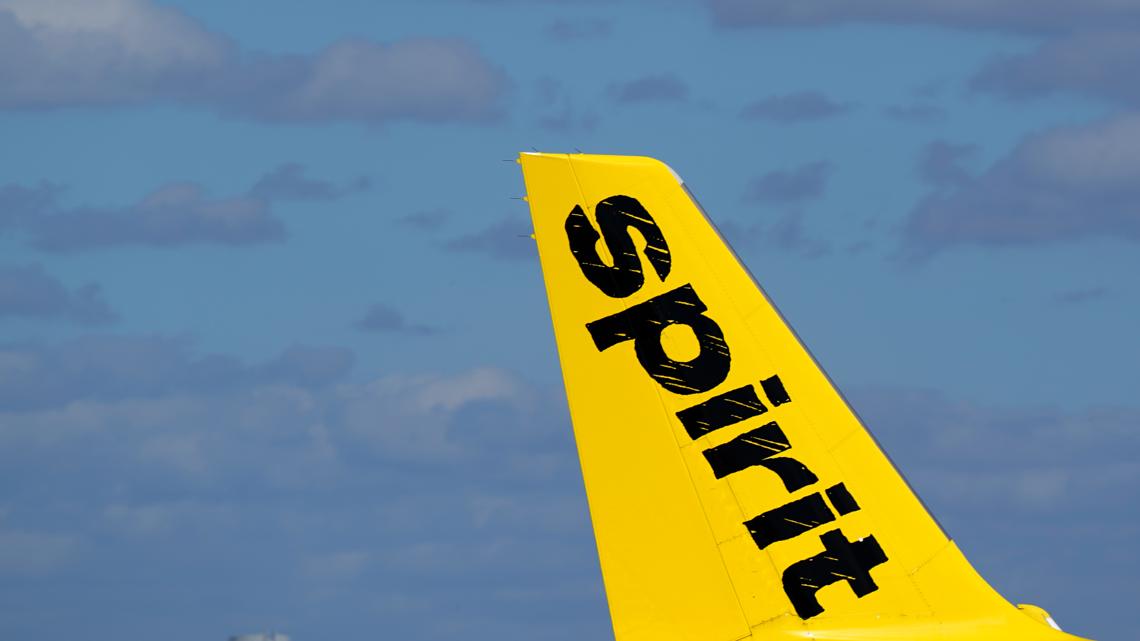
Spirit Airlines is in advanced talks with the U.S. government over a potential financing package that could keep it out of liquidation as it exits bankruptcy, with reports putting the possible aid at $500 million and potentially including a government stake. The airline has struggled with losses, is facing higher jet fuel costs tied to the Iran war, and some creditors and lawmakers remain skeptical of a bailout. The situation is material for Spirit-specific equity, debt, and broader airline-credit sentiment.
The market is not pricing an airline rescue so much as a rolling repricing of capital structure optionality. A government backstop, if real, would likely transfer value from unsecured creditors and equity to policy-sensitive stakeholders, but the more important second-order effect is on industry discipline: if a distressed carrier can access subsidized liquidity, lenders may re-mark the whole low-cost segment for political rather than purely operating risk.
For JBLU, the issue is not just competitive pressure from a surviving ULCC; it is that any rescue likely preserves excess seat capacity in short-haul leisure markets where fare elasticity is highest. That caps pricing power into peak travel periods and compresses revenue premium assumptions across adjacent routes, while also extending the time competitors need to rationalize capacity. The upside case for Spirit’s survival is therefore a near-term negative for the better-capitalized low-cost peers that had hoped for a cleaner capacity reset.
The catalyst path is binary and fast: a financing announcement could trigger a sharp relief rally in ULCC, but the real decision tree sits over days to weeks, not months, because the government’s willingness to provide money creates headline optionality without solving unit-cost weakness. If talks stall or lawmakers harden against a bailout, the asset-sale/liquidation scenario returns quickly, which would be bearish for Spirit’s suppliers, airport vendors, and potentially lessors facing aircraft redeployment and lease-rate pressure.
The contrarian miss is that a rescue may be perceived as bullish for consumers and pilots but still be economically accretive for competitors if it keeps Spirit alive just long enough to continue discounting into an already weak demand backdrop. In that case, the best trade is not to fade the headline, but to fade the persistence of subsidy-driven capacity.
AI-powered research, real-time alerts, and portfolio analytics for institutional investors.
Request TrialOverall Sentiment
strongly negative
Sentiment Score
-0.60
Ticker Sentiment
