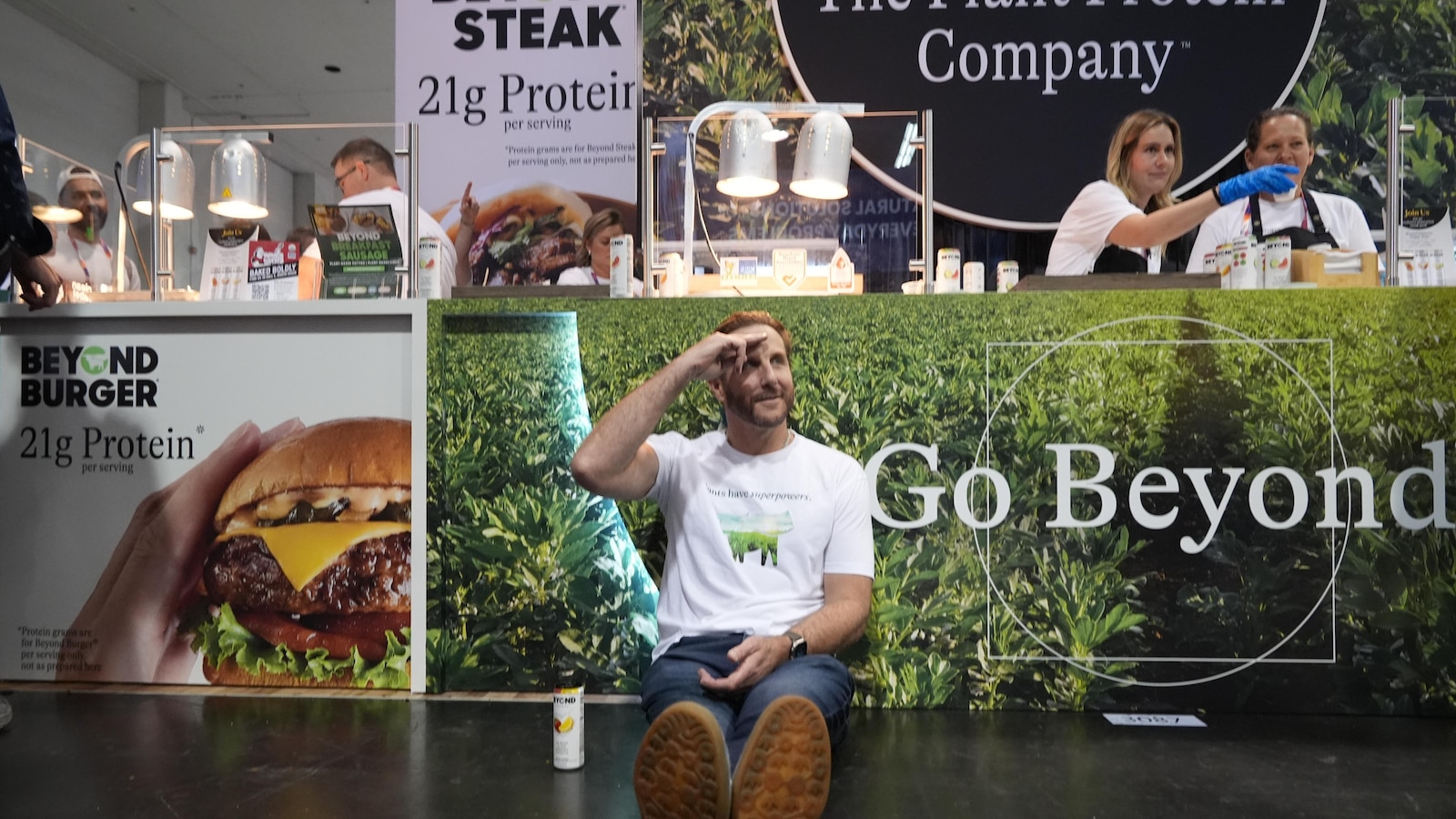
Beyond Meat has rebranded as Beyond The Plant Protein Co. (Beyond) and is pivoting from plant-based meat analogs toward drinks and snack products after U.S. retail demand weakened; net revenue fell 14% in the first nine months of 2025 and the shares have traded below $1 year-to-date. The company launched a sparkling protein beverage (Beyond Immerse) in January, plans a protein bar for summer, and has rolled out a simplified-ingredient product (Beyond Ground) as it seeks consumer traction amid a 26% decline in U.S. plant-based meat retail sales over the past two years (NIQ). Management frames the shift as a strategy to simplify ingredients and expand into higher-growth protein formats while continuing to service existing markets such as Europe.
Market structure: Beyond’s pivot shifts winner status to plant-protein ingredient suppliers (faba/chickpea/mung) and incumbent CPGs that can scale beverages/snacks; large foodservice partners like MCD retain bargaining power and gain optionality to expand plant offerings in Europe. BYND’s 14% YTD revenue decline and US plant-meat sales down 26% over two years imply weakened pricing power and structurally lower retail velocity, pressuring shelf economics and margins for pure-play plant-meat firms.
Risk assessment: Near-term risks are equity dilution or Chapter 11-like outcomes (low-probability, high-impact) if cash runway <6–12 months; regulatory labeling shifts and ingredient-sourcing shortages (pulses) are medium tail risks. Timeline: expect high share volatility in days/weeks around earnings and product-distribution announcements, product-market validation over 3–9 months, and category trajectory resolution over 2–5 years.
Trade implications: Tactical short exposure to BYND (equity or puts) is preferred; hedge via long exposure to resilient restaurants/CPG (MCD) and data vendors (NIQ) that monetize category measurement. Options strategies: buy 3–9 month BYND puts to asymmetrically capture downside, and consider buying 6–18 month MCD calls as defensive growth exposure while selling covered calls to raise yield.
Contrarian angles: Consensus understates that beverages/snacks can meaningfully raise gross margins vs analogue meat patties — a successful national beverage launch (distribution in >2,000 stores within 6 months) could re-rate BYND >2x from distressed levels. Conversely, the pivot risks brand dilution and execution failure: if BYND cannot convert online trials to retail placements within 6–9 months, downside could be binary (near-zero equity value).
AI-powered research, real-time alerts, and portfolio analytics for institutional investors.
Request DemoOverall Sentiment
moderately negative
Sentiment Score
-0.30
Ticker Sentiment
