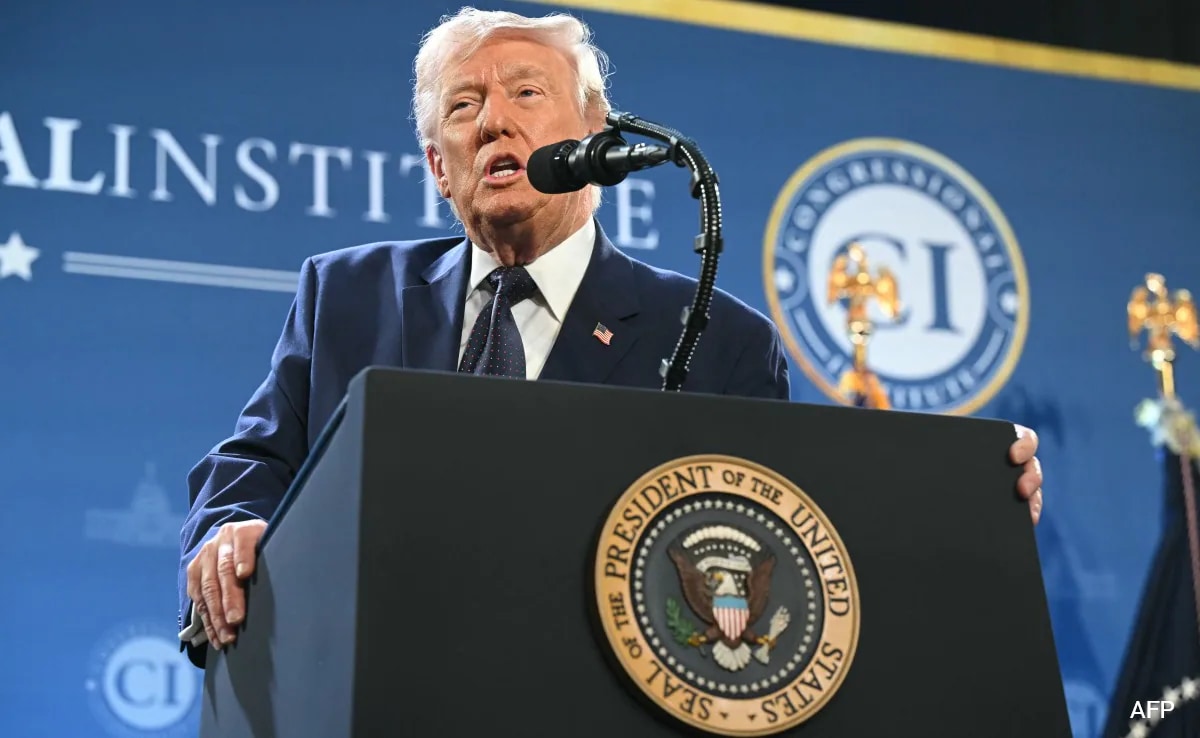
Trump claimed the US struck 5,000 targets in Iran, sank 46 'top-of-the-line' naval ships and said Iran's missile capability is down to ~10%, also warning any Strait of Hormuz blockade would be met 'TWENTY TIMES HARDER' force. The conflict—which began Feb 28 with strikes that killed Iran's supreme leader and reportedly included an Iranian warship sunk off Sri Lanka with ~80 fatalities—has already pushed global stocks lower and driven oil prices materially higher. Escalatory rhetoric and continued military action raise significant downside risk for risk assets and sustained energy-price volatility, with direct implications for supply through the Hormuz Strait and commodity markets.
The immediate market transmission is via energy and maritime risk premia: insurance and rerouting raise delivered crude/LNG costs and shorten available tanker capacity, creating a tightness that can add single-digit to low-double-digit dollars to benchmark crude prices in stressed scenarios over weeks. Freight-rate dislocations (tankers & Suez-Canal alternatives) and port congestion are likely to amplify refining feedstock mismatches, boosting crack spreads for light products while pressuring heavier-sour processing margins for 1–3 months.
Defense primes and specialist marine services are the direct industrial beneficiaries, but the economic lever is backlog conversion rather than instant cash flow — expect revenue recognition and margin benefits to materialize over 6–18 months as new O&M, weapons procurement, and ship-repair work flows into Tier-1 contractors and regional shipyards. Conversely, energy-intensive, trade-exposed sectors (airlines, container shipping, industrials with long supply chains) face margin compression and demand destruction risk if fuel spikes persist beyond one quarter.
Tail risks are asymmetric: a sustained choke or blockade could produce a multi-quarter commodity shock, but diplomatic de-escalation or rapid substitution (SPR releases, rerouted tanker flows, incremental US shale response) can unwind most of the price move inside 30–90 days. Volatility is likely to overshoot fundamentals in the near term; that creates actionable option-rich opportunities while also signalling caution for duration-heavy equity longs — short-term risk-off flows into rates and gold can be as informative as energy price moves for positioning.
AI-powered research, real-time alerts, and portfolio analytics for institutional investors.
Request DemoOverall Sentiment
strongly negative
Sentiment Score
-0.70
