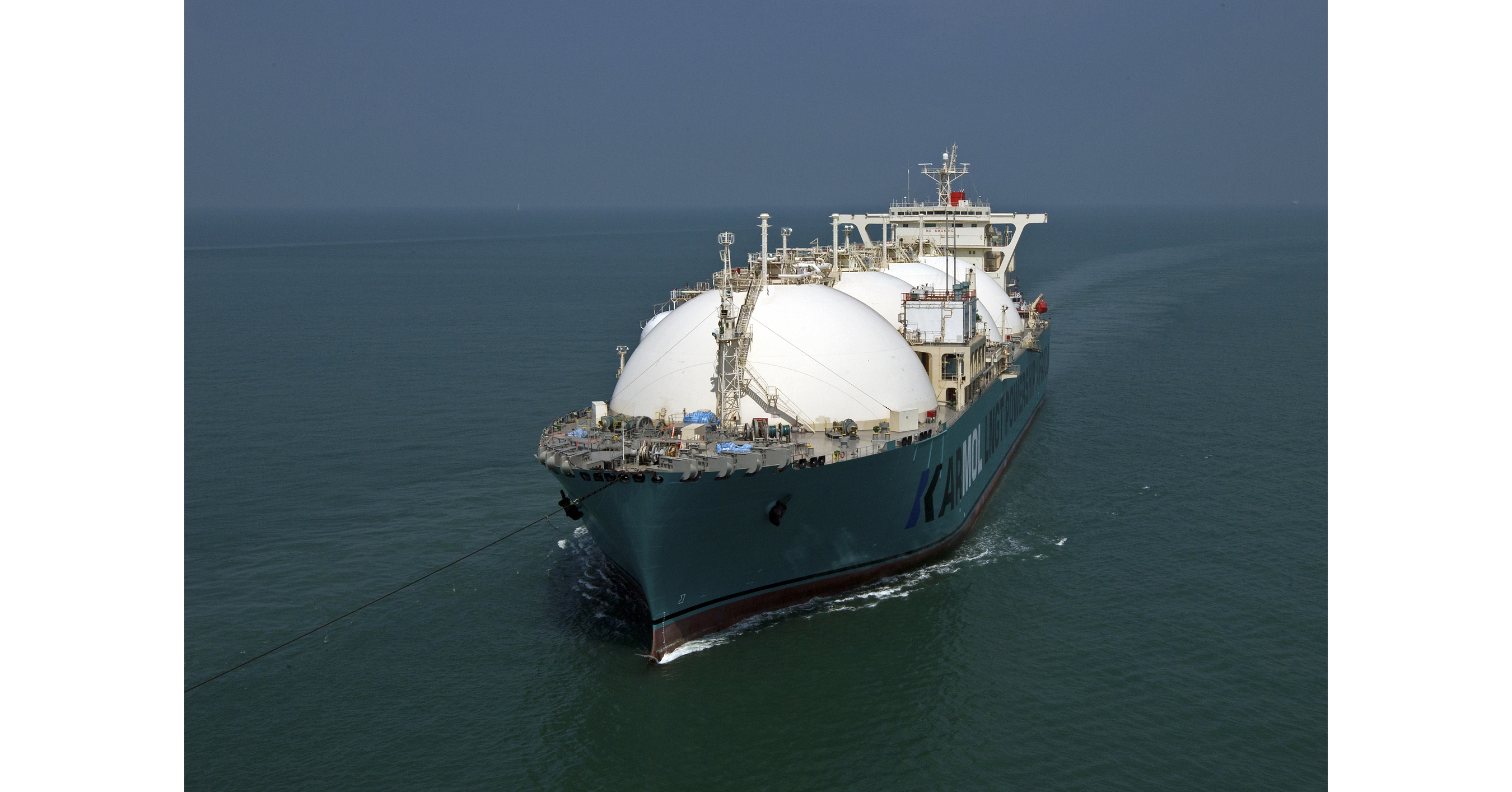
Kinetics (initiative de Karpowership) lance la construction de son premier FSRU à haute capacité, le LNGT Karadeniz, avec une capacité de regazéification jusqu’à 600 mmscfd. Le navire, déployable rapidement et doté de systèmes basse/moyenne/haute pression, vise à élargir l’offre d’importation de GNL flexible pour des pays cherchant à renforcer leur sécurité énergétique. L’annonce signale une montée en puissance de l’infrastructure GNL flottante de Kinetics via une série de FSRU de nouvelle génération.
This is more a signal about infrastructure optionality than an immediate earnings event. Large-capacity floating regas assets shorten time-to-power for import-dependent countries, which tends to favor modular, balance-sheet-light solutions over fixed onshore terminal builds. That shifts economic rent toward the asset owner/operator and the shipyard ecosystem, while pressuring traditional EPCs and local midstream developers that need longer permitting and heavier capex.
For public markets, the cleanest read-through is that Seatrium’s specialty offshore fabrication capability is still in demand, but one launch is not enough to justify a valuation change unless it converts into a repeat order cycle with acceptable margins. The broader second-order winner is the LNG value chain: more FSRU capacity lowers the friction of bringing cargoes into new demand nodes, which supports utilization for LNG exporters and vessel lessors. The loser is any fuel mix that relies on slow grid expansion or pipeline buildout; floating import capacity is a faster substitute in frontier markets.
The key risk is that this is a PR milestone, not a cash-flow milestone. The market will care about charter tenor, counterparty quality, and financing; without those, construction can slip or be repriced. The thesis breaks if LNG spot spreads weaken materially or if project awards fail to follow within the next 1-2 earnings cycles. Longer term, if FSRUs keep winning share, they can extend gas demand in emerging markets for 6-18 months and beyond, but that only matters if delivered gas remains cheap enough versus coal and diesel.
AI-powered research, real-time alerts, and portfolio analytics for institutional investors.
Overall Sentiment
mildly positive
Sentiment Score
0.25
