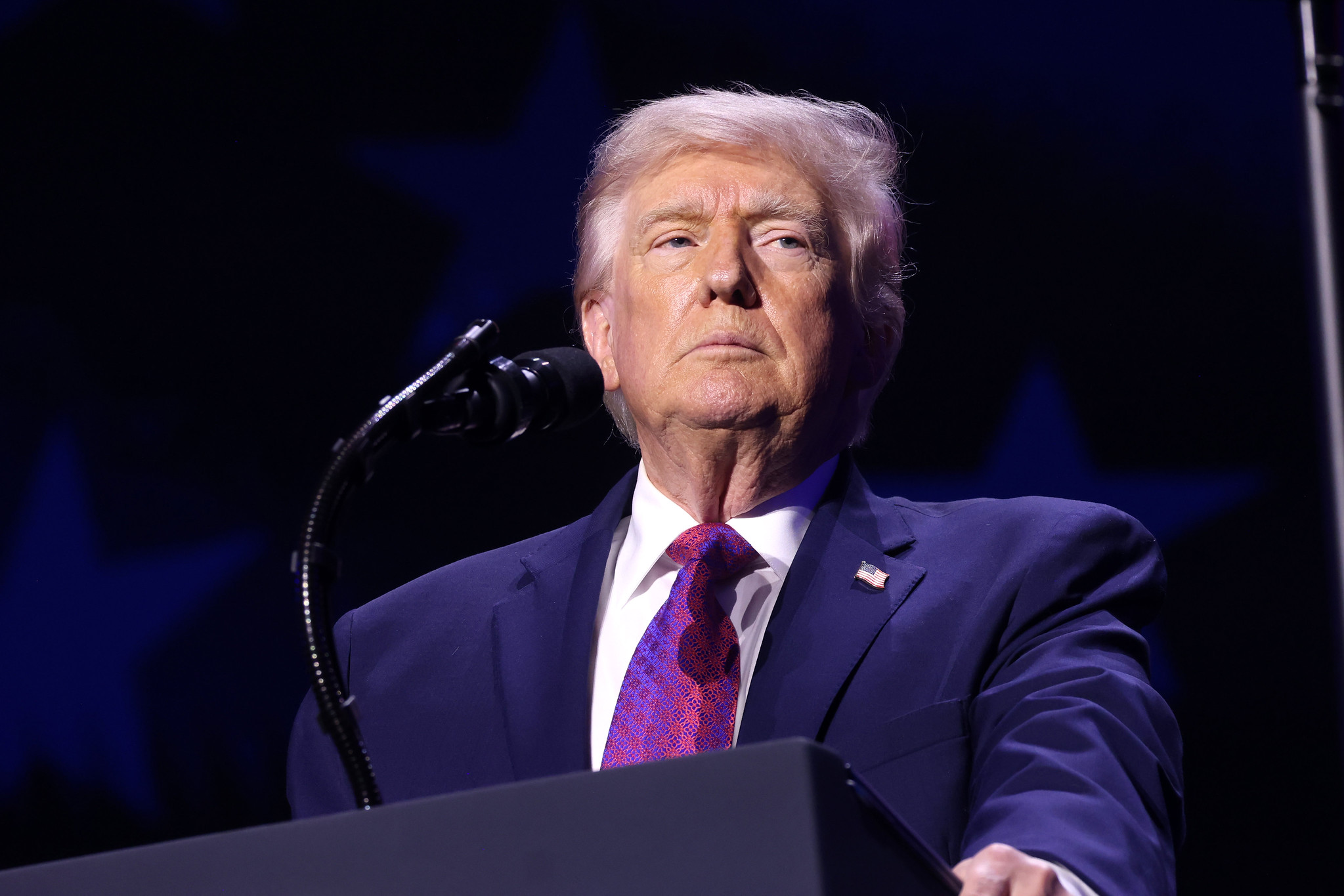
The Trump administration’s restrictions on direct US disease-expert communication with the WHO come as a Bundibugyo Ebola outbreak spreads across Central and East Africa, with hundreds of suspected cases and rising fatalities. The article warns that reduced coordination, information sharing, and CDC-WHO collaboration could slow containment and increase cross-border transmission risk. The policy shift follows the US withdrawal from the WHO in early 2026, heightening concerns about weakened global outbreak response.
The market implication is less about the headline outbreak itself and more about the degradation of the global “fast-twitch” response layer that historically capped tail risk in health shocks. Once the US is functionally outside WHO coordination, the probability distribution shifts: outbreaks that would previously have been contained locally can now persist longer, raising the odds of intermittent supply disruptions, travel friction, and ad hoc government restrictions over the next 1-6 months. That is a classic risk-off setup for cyclicals and a relative tailwind for businesses monetizing biosurveillance, diagnostics, and containment infrastructure.
The second-order winner set is broader than obvious vaccine or biotech names. Lab automation, PCR/rapid-test tooling, PPE/disinfection, and hospital supply chains can see a multi-quarter demand bump if agencies and states rebuild stockpiles defensively, even without a true global spread event. Conversely, airlines, cruise, and emerging-market consumer names with Africa exposure face a convex hit: even a small probability of renewed border controls or route cancellations can compress multiples before any earnings impact shows up.
The contrarian point is that the consensus may be overpricing immediate systemic contagion and underpricing policy inertia. Ebola is operationally severe but economically localized unless coordination failures materially extend the outbreak; the more durable trade is not a blanket panic bid, but a rotation into instruments that monetize preparedness spending and volatility. If US authorities partially reverse course through informal channels or bilateral workarounds within weeks, the alarm premium can fade quickly, so the asymmetry is best expressed with defined-risk options rather than outright directional beta.
The cleanest setup is to own the picks-and-shovels of preparedness while fading travel and broad EM risk in a hedged structure. The key catalyst window is the next 2-8 weeks: either case counts stabilize and the market mean-reverts, or coordination breakdowns force public-health and travel-policy headlines that re-rate the whole complex. Positioning should assume a low-probability, high-impact event with a relatively short decision horizon.
AI-powered research, real-time alerts, and portfolio analytics for institutional investors.
Request DemoOverall Sentiment
strongly negative
Sentiment Score
-0.60
