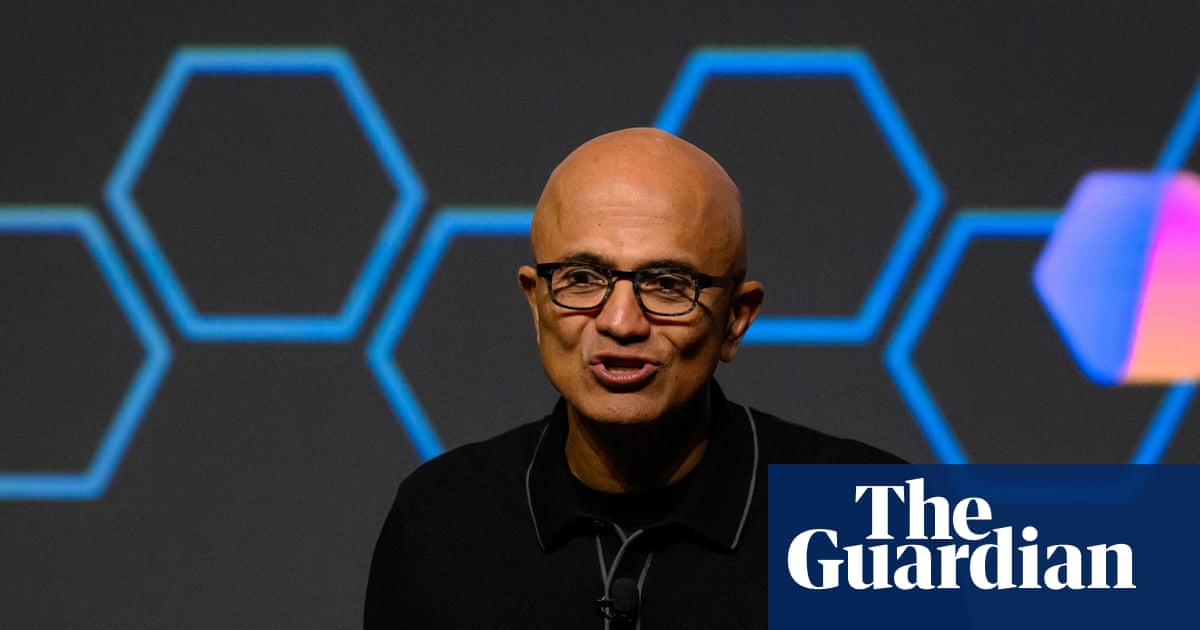
Meta is cutting about 10% of staff, or just under 8,000 employees, and closing roughly 6,000 open roles, while Microsoft is offering voluntary retirement to about 7% of its 125,000-person U.S. workforce. Both moves are tied to large AI spending plans, with Meta targeting $115bn-$135bn of AI investment and Microsoft now expected to spend roughly $110bn-$120bn on AI infrastructure. The article underscores growing evidence that AI is being used to drive productivity and reduce hiring needs across major tech firms.
The first-order read is margin discipline, but the second-order effect is that both companies are signaling AI capex is now crowding out human-capital intensity faster than the market expected. That matters because the near-term earnings uplift from lower payroll is visible, while the longer-dated risk is that product velocity becomes increasingly dependent on a smaller set of high-leverage engineers and model infrastructure. In other words, AI is not just a cost reducer; it is becoming the organizing principle for operating leverage, which tends to widen the gap between platform winners and mid-tier software names that still need large teams to ship.
For META, the bigger implication is governance risk around “efficiency” turning into a recurring culture reset. If the firm can indeed compress more development into fewer people, the market will likely reward FCF expansion in the next 2-3 quarters, but the hidden risk is execution fragility: fewer layers and more automation raise the odds of product mistakes, moderation lapses, or delayed launches. That creates an asymmetric setup where the stock can rally on cost control while implied volatility should stay bid into any AI-related product cycle or regulatory headline.
For MSFT, the market may be underestimating the cannibalization problem inside its own franchise stack. AI productivity gains are supportive for the P&L, but they also validate a narrative that could eventually compress seat-based software demand growth if customers internalize the same labor substitution logic. The near-term catalyst is continued upward revision to AI infrastructure spend and cloud demand; the medium-term tail risk is that capex intensity stays elevated longer than consensus, pressuring free cash flow conversion and making the equity more sensitive to any Azure growth deceleration.
The most interesting cross-sector read is that management teams are using AI as both a strategic narrative and a labor-arbitrage tool, which is likely to accelerate copycat cuts at other large tech firms over the next 1-2 quarters. That creates a broad labor-supply overhang for high-end software talent, but also a possible beneficiary list in staffing, HR tech, and lower-cost offshore engineering vendors. The contrarian takeaway is that the market may be too focused on near-term margin uplift and not enough on the probability that aggressive AI-led restructuring eventually slows innovation breadth, especially outside the very largest platforms.
AI-powered research, real-time alerts, and portfolio analytics for institutional investors.
Request TrialOverall Sentiment
moderately negative
Sentiment Score
-0.45
Ticker Sentiment
