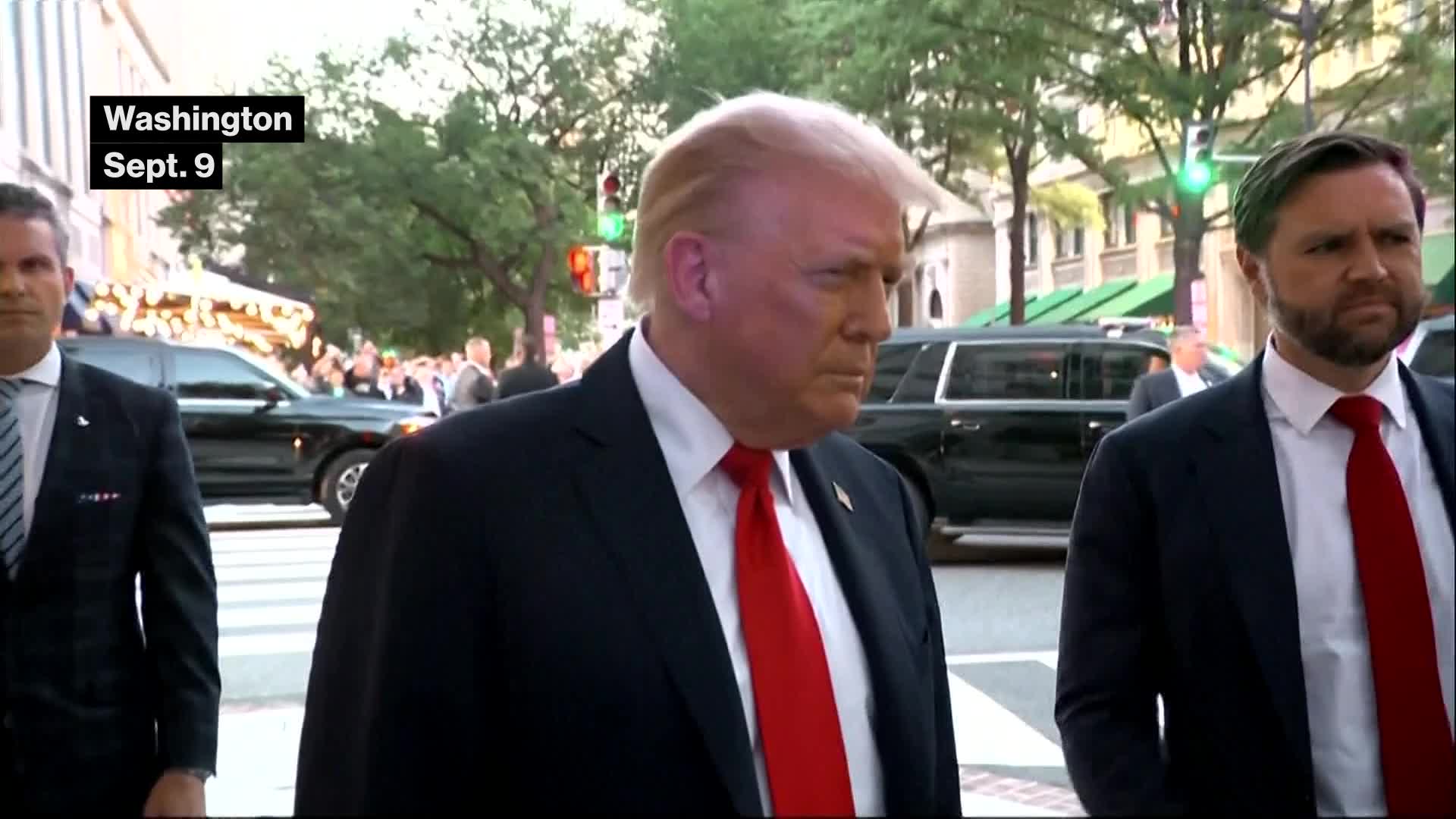
President Trump expressed strong dissatisfaction with Israel's strike on Hamas leaders in Qatar, stating he was "very unhappy about every aspect" of the situation. While reiterating the U.S. desire for hostage returns, Trump's public disapproval highlights potential diplomatic friction and complicates regional dynamics, signaling elevated geopolitical risk.
President Trump's public expression of being "very unhappy about every aspect" of Israel's strike on Hamas leaders in Qatar introduces a significant layer of political complexity to the Middle East conflict. This statement signals potential diplomatic friction between a key U.S. political figure and Israel, complicating a historically strong alliance and injecting unpredictability into American foreign policy direction. The event fuses geopolitical risk with U.S. domestic politics, as indicated by the thematic classification, adding uncertainty that could influence future policy shifts. While the associated market impact score of 0.35 suggests a contained immediate market reaction, the moderately negative sentiment score (-0.5) underscores the event's potential to escalate regional tensions and contribute to background volatility in a region critical for global energy stability.
AI-powered research, real-time alerts, and portfolio analytics for institutional investors.
Request DemoOverall Sentiment
moderately negative
Sentiment Score
-0.50
