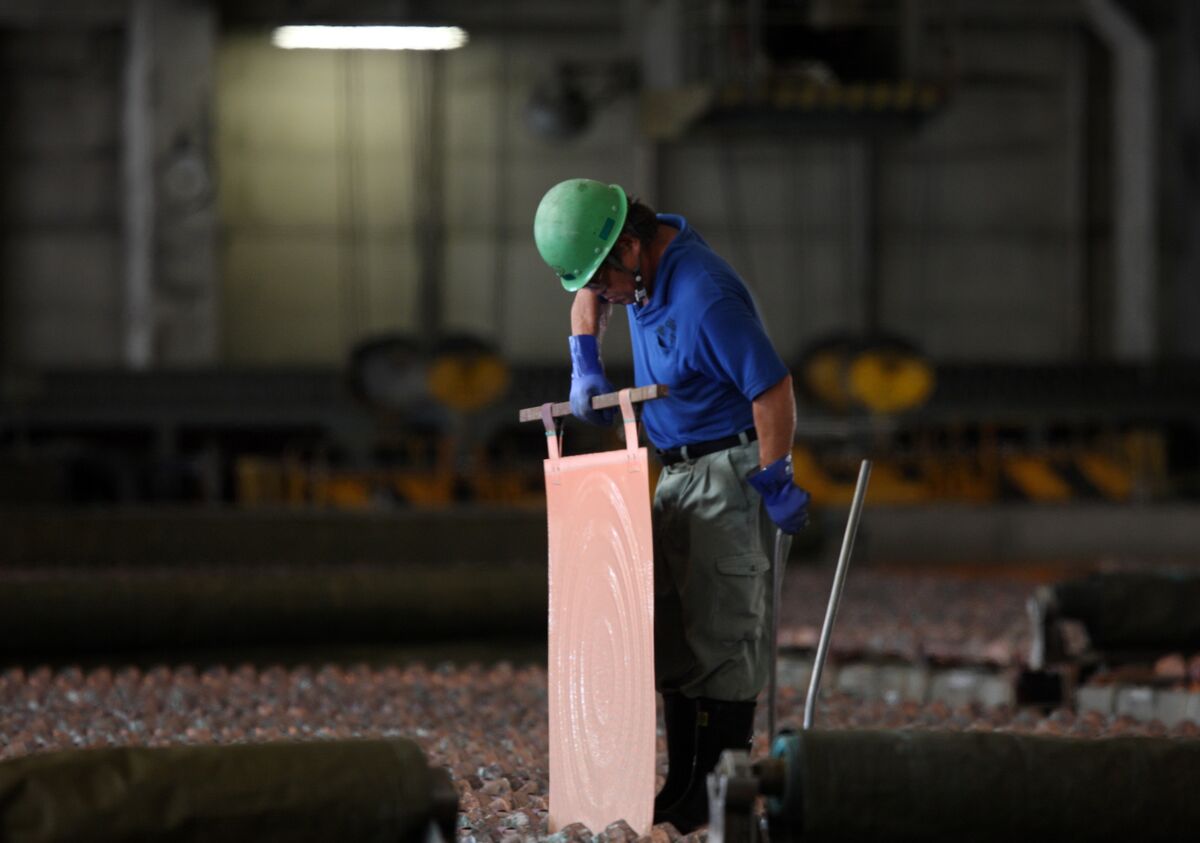
Japan’s trading houses are set to benefit from war-related supply disruptions, with higher energy and metals prices supporting earnings this year. Mitsubishi Corp. forecast net income could rise 37% to ¥1.1 trillion ($7 billion), helped by gas and copper, while Sumitomo cited copper and coal as drivers of a bottom-line increase above analyst estimates. Sumitomo shares surged 17% to an all-time high, underscoring investor optimism around the commodity price backdrop.
The immediate winners are not just the trading houses themselves but the upstream asset owners and logistics intermediaries embedded in their portfolios: LNG, copper, coal, and shipping capacity with pricing power now get a second derivative boost from geopolitics. What matters is that these firms are effectively long real assets funded by low-cost balance sheets, so higher commodity prices should drop through with leverage to earnings and capital returns over the next 2-4 quarters. That makes the group a cleaner inflation/geopolitical hedge than the broader Japanese equity market, which is more exposed to imported-input cost pressure.
The second-order effect is a relative-value rotation inside Japan: domestic manufacturers, utilities, and transport names face margin compression if energy stays elevated, while trading houses can monetize inventory, marketing spreads, and asset revaluations. The market is likely underappreciating how persistent this can be if supply disruptions keep optionality scarce; even if spot prices fade, contract lags and hedging asymmetries can preserve earnings momentum for multiple reporting cycles. The bigger risk to the bull case is not a quick snapback in commodity prices, but a policy or diplomatic easing that normalizes flows and steepens the futures curve back into contango.
The move in shares may also be getting ahead of itself tactically: when a low-volatility franchise re-rates this violently, the next leg is usually driven by revisions rather than multiple expansion. That creates a better setup to fade names with the weakest earnings sensitivity and own the ones with the highest embedded operating leverage to gas/copper rather than coal-heavy mix. Consensus may be missing that a stronger yen would partially offset translated profits, but only if the currency move is large enough and sustained; otherwise commodity beta dominates near term.
For the next 1-3 months, the main catalyst is guidance revision season and any additional supply shock headlines. Over 6-12 months, the key question is whether higher resource earnings are recycled into buybacks and higher ROE, which would justify a durable rerating rather than a one-off spike. If not, the trade becomes a volatility event rather than a structural winner.
AI-powered research, real-time alerts, and portfolio analytics for institutional investors.
Request DemoOverall Sentiment
moderately positive
Sentiment Score
0.62
