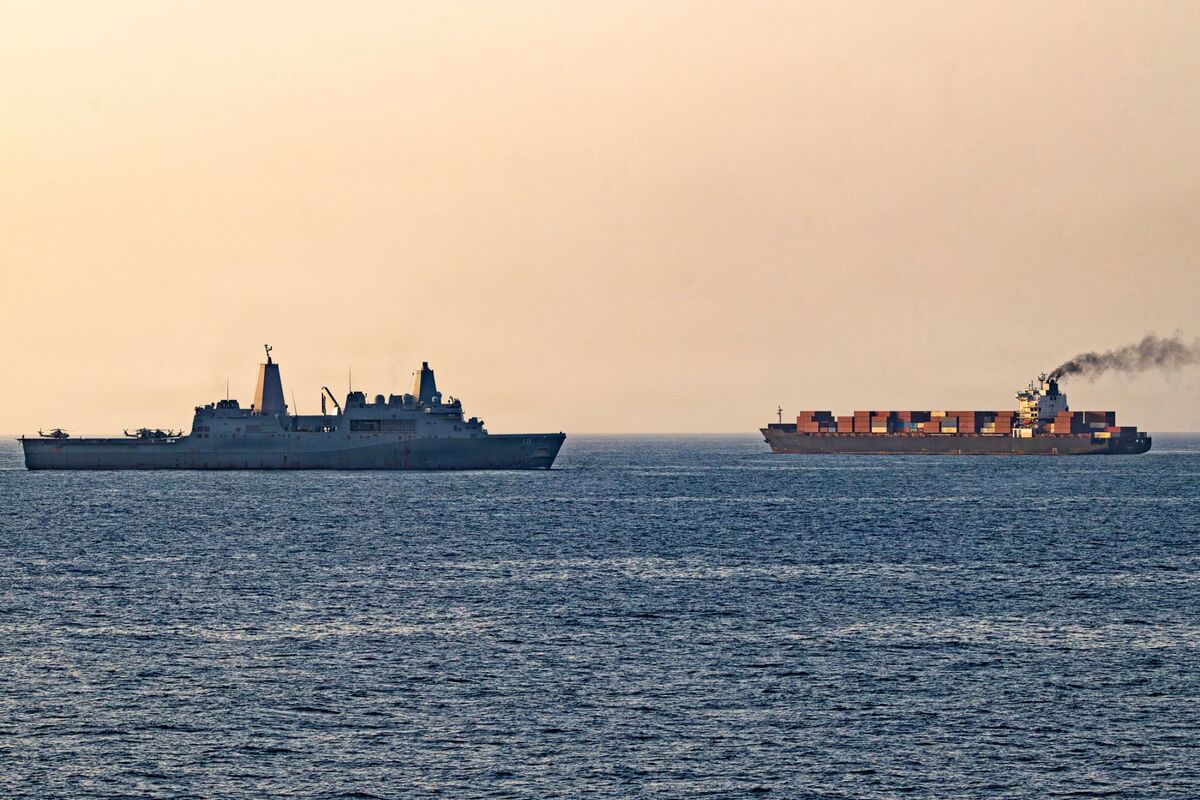
Trump said Iran has asked the US to lift a naval blockade of the Strait of Hormuz as the two sides negotiate an end to the two-month war. The comments underscore ongoing geopolitical risk to a critical route for oil and gas shipments, with potential implications for global energy supplies and shipping flows. Market impact is elevated because any disruption in the strait can quickly affect crude, LNG, and freight markets worldwide.
The key market implication is that the chokepoint is becoming a bargaining chip rather than a binary supply shock, which lowers the probability of a sustained extreme-price regime but raises the odds of violent short-covering spikes. That matters because transport and petrochemical margins are usually hit first on the way up, while upstream energy equities only fully re-rate if the disruption persists long enough to alter consensus earnings, not just intraday crude pricing.
Second-order beneficiaries are not just oil producers but any system that benefits from dispersion in freight routes and elevated insurance/freight premia: LNG shipping, tanker utilization, and non-Gulf crude exporters with spare seaborne optionality. The losers are downstream users with limited inventory flexibility—airlines, refiners, and chemicals—where even a brief risk premium can compress margins faster than headline demand deteriorates. If the market concludes the passage remains open, the unwind can be sharper than the initial move because positioning in energy hedges is typically crowded after escalation headlines.
The real catalyst window is days to weeks, not months: any credible de-escalation signal can collapse the geopolitically embedded risk premium, while a fresh military incident or shipping impairment would rapidly reprice the curve. The tail risk is asymmetric because a single damaged vessel or insurance pullback can cause a temporary logistics freeze without requiring a full physical blockade, and that is where the largest gap moves tend to come from. Conversely, if negotiations visibly progress, expect the market to rotate from outright crude exposure into relative-value names with more stable cash flows.
The consensus may be overestimating the durability of the headline and underestimating the volatility of the response function. Even if the waterway stays open, the episode can still tighten freight markets and raise delivered-energy costs, creating a hidden tax on importers that shows up with a lag. That makes this more attractive as a volatility trade than a directional one unless there is a confirmed supply interruption.
AI-powered research, real-time alerts, and portfolio analytics for institutional investors.
Request DemoOverall Sentiment
mildly negative
Sentiment Score
-0.25
