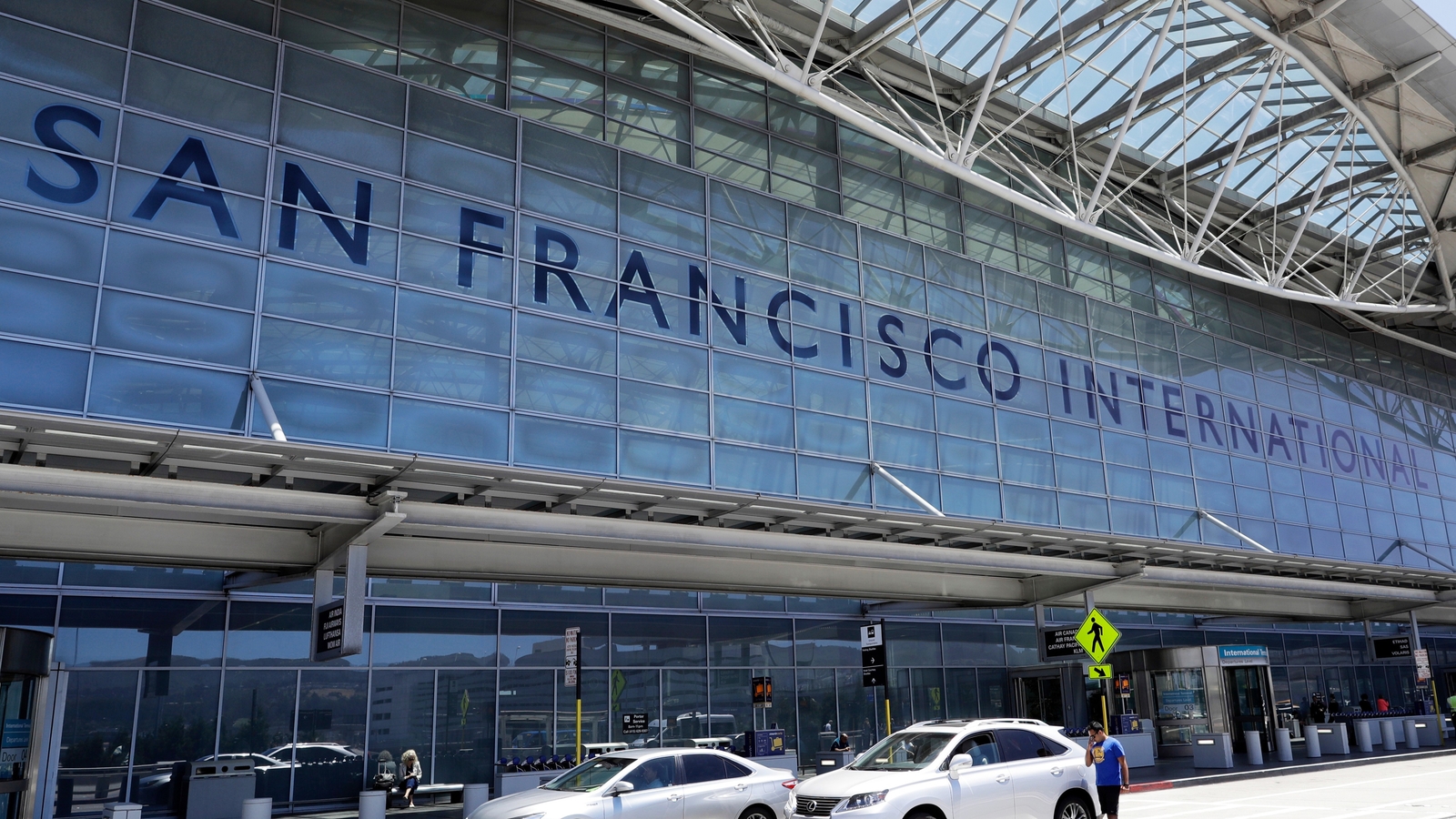
A potential federal plan to halt customs processing for international travelers at airports in sanctuary cities, including San Francisco International Airport, could disrupt operations at major U.S. gateways and hurt international visitation. Airports in New York, Los Angeles, Chicago and Seattle are also being considered, raising risks for airlines, airport operators and local travel-dependent economies ahead of the FIFA World Cup next month. No formal policy has been announced yet, so the immediate impact remains uncertain.
This is less a direct airline story than a latent policy shock to city-level commerce. The first-order hit would show up in international arrivals and airport throughput, but the second-order damage is broader: lower hotel occupancy, weaker convention spend, softer premium retail, and reduced inbound business travel into the affected metros. Because these airports are gateways rather than endpoints, the revenue leak would cascade to regional employers that rely on foreign visitors spending within 24-72 hours of landing. The market is likely underestimating the asymmetry between headline risk and actual implementation. Even a partial or temporary customs disruption would create booking deferrals immediately, while the legal fight could drag for weeks to months; that means forward demand gets hit before any court ruling. The biggest vulnerability is not domestic leisure demand, which is relatively sticky, but higher-margin international traffic and connecting flows that support airline yields and airport concession income. A non-obvious second-order effect is competitive diversion. If one major gateway loses processing capacity, some demand reroutes to unaffected airports and hubs, which can widen load-factor spreads and temporarily support carriers with more diversified international networks. Conversely, airports and metros reliant on inbound Asian and European traffic face a revenue shock that can bleed into municipal tax receipts and hospitality hiring, making this more of a local macro short than a pure travel-sector event. The contrarian view is that the market may be overpricing the probability of full implementation but underpricing the volatility from the threat itself. The administration could use this as leverage without ever fully executing, yet the repeated signaling is enough to freeze corporate travel budgets and group bookings for a season. That creates a short-duration but potentially meaningful earnings-headwind window for airlines, hotels, and airport-linked revenue streams even if the policy never becomes permanent.
AI-powered research, real-time alerts, and portfolio analytics for institutional investors.
Request DemoOverall Sentiment
moderately negative
Sentiment Score
-0.35
