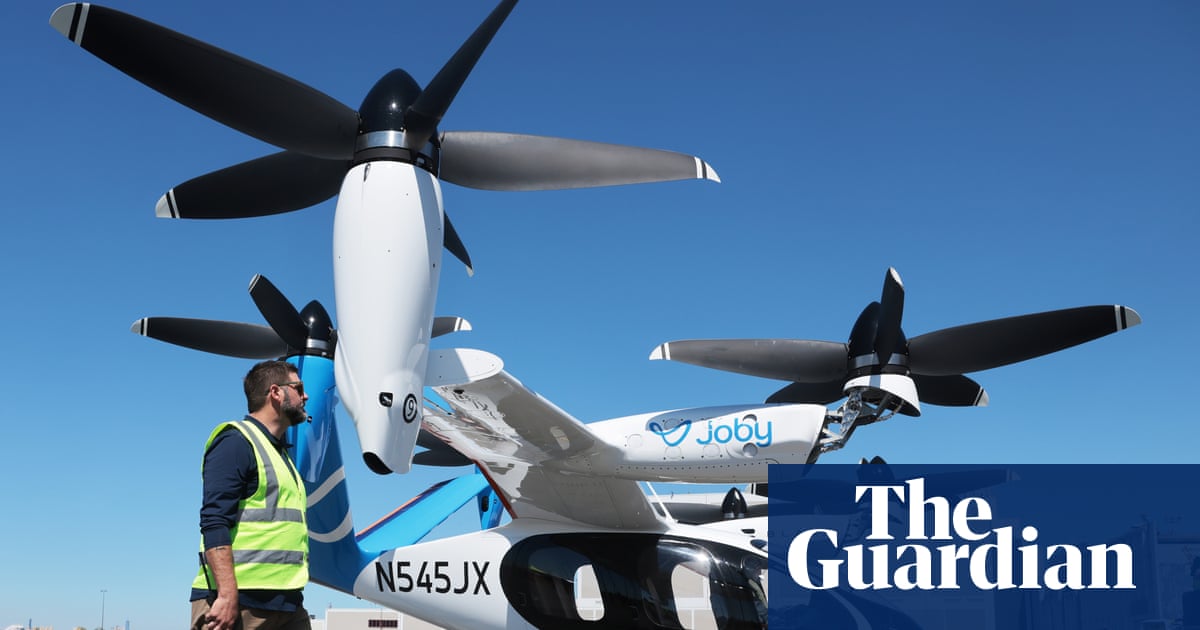
Joby Aviation’s electric vertical takeoff and landing aircraft completed multiple test flights from JFK to Manhattan, with a claimed top speed of 200mph and a trip time of about 10 minutes. The aircraft is presented as quieter and cleaner than helicopters, producing about 45 decibels in flight and no direct emissions, but it is still awaiting FAA certification and is only authorized to fly over water for now. Management says pricing would be comparable to a premium car service, implying the near-term market is limited to affluent travelers.
The near-term market signal is less about urban air mobility as a consumer product and more about regulatory legitimacy. Repeated high-visibility flights in a marquee corridor are effectively a proof-of-concept for FAA, city, and community stakeholders, which matters because certification and route approvals are the real bottlenecks; until those clear, the equity is trading on option value rather than cash flow. That makes JOBY primarily a long-duration regulatory call with asymmetric upside if a New York-style operating template is replicated in other dense, high-income corridors.
The second-order winner is the premium ground-transport ecosystem that gets displaced only at the margin: black car fleets, airport limo services, and possibly rooftop/vertiport infrastructure providers. But the addressable market is narrower than the headline implies because the product is economically irrelevant for mass transit and only competes where time sensitivity is extreme; that limits early demand elasticity and suggests utilization risk once novelty fades. The more important commercial catalyst is not price parity with taxis, but whether corporate travel and airport transfers can support enough turns per aircraft per day to justify capex and maintenance economics.
The contrarian miss is that quieter does not automatically mean scalable. The political fight is likely to shift from noise to land use, safety, and equity once communities realize the service is a luxury good, not a public-good transportation solution. In that framing, the biggest risk is a long gap between demo flights and commercial certification/route permissions, which can easily stretch 12-24 months and pressure sentiment if investors front-run adoption too aggressively.
From a trading standpoint, JOBY is best viewed as a catalyst-driven volatility name rather than a fundamental compounding story today. The setup favors owning upside through defined-risk optionality into regulatory milestones, while fading over-enthusiasm if the stock rallies on viral visibility without corresponding certification progress. The market is likely underpricing how much of the eventual TAM depends on vertiport network buildout, municipal approvals, and operating reliability rather than just aircraft performance.
AI-powered research, real-time alerts, and portfolio analytics for institutional investors.
Request DemoOverall Sentiment
mildly positive
Sentiment Score
0.15
Ticker Sentiment
