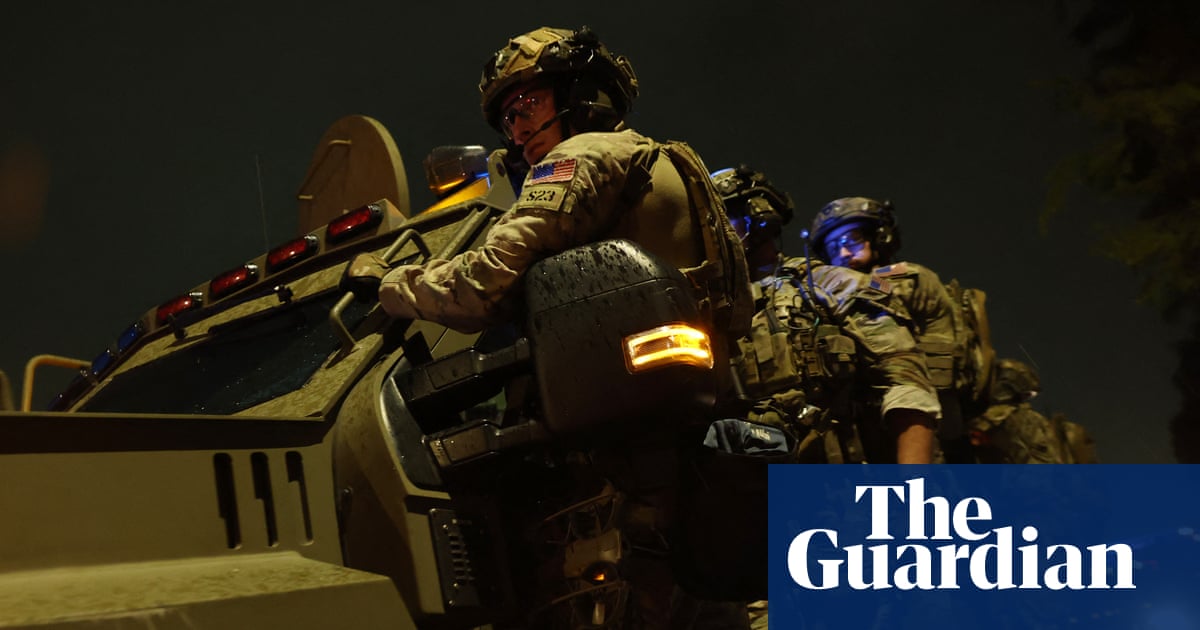
A suspect accused of attempting to assassinate Donald Trump agreed to remain in custody as his federal case proceeds, after allegedly firing a shotgun at the White House correspondents' dinner and forcing the evacuation of Trump, JD Vance, and other officials. Prosecutors say he traveled from Torrance, California, armed with a shotgun, pistol, knives, and daggers, and intended to attack top U.S. officials. The case raises immediate security and political concerns, with potential implications for federal protection protocols and the 2024–2025 political environment.
This event is a regime reminder for markets: the direct earnings impact is nil, but the marginal cost of political violence rises across the entire campaign/security complex. The first-order beneficiaries are vendors with exposure to protective logistics, perimeter hardening, screening tech, secure transport, and event security staffing; the second-order effect is a faster procurement cycle from federal, state, and venue operators that were previously underinvested in soft-target protection. That tends to show up first in small-cap defense/security names and then in the larger primes once budgets are reallocated.
The bigger market implication is not election volatility per se, but the probability of a persistent risk premium in public-event security, political travel, and insurance. Venues, hospitality operators, and convention-dependent assets may face higher compliance costs, reduced utilization, and larger deductibles over the next 6-18 months, especially if copycat incidents force repeated cancellations or tighter screening. In that setting, the losers are companies with heavy exposure to urban events and conference traffic; the winners are firms selling software, sensors, credentials, and surveillance rather than labor-intensive guard services.
The tail risk is a broader tightening of the domestic threat environment that increases security spending faster than municipal budgets can absorb it. If there are follow-on incidents within the next 30-90 days, expect accelerated appropriations and emergency procurement, which would be positive for defense-adjacent suppliers but negative for public-event operators and certain REITs with convention exposure. A de-escalation in the news flow would likely fade the trade within weeks, but the budget process can keep the capex tail alive for quarters.
The consensus may underappreciate how asymmetric the procurement response can be: one high-profile incident often converts discretionary security upgrades into non-discretionary spend. That makes the trade less about headline risk and more about a durable shift in baseline spending assumptions for federal facilities, campaign infrastructure, and large venues. The opportunity is to buy the tools, not the fear.
AI-powered research, real-time alerts, and portfolio analytics for institutional investors.
Request DemoOverall Sentiment
extremely negative
Sentiment Score
-0.85
