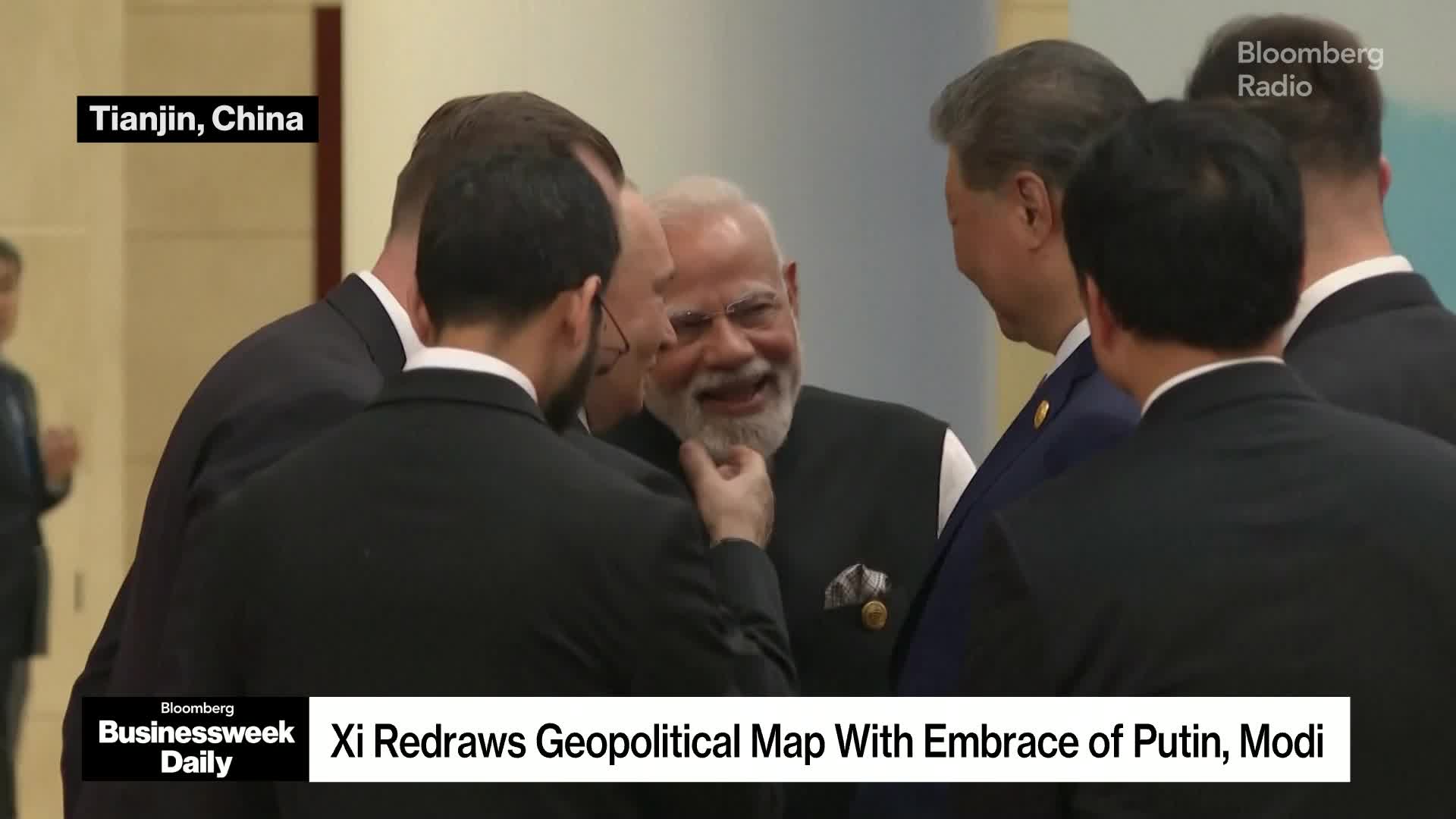
Chinese President Xi Jinping is actively reconfiguring the global geopolitical map by fostering closer ties with leaders such as Russia's Vladimir Putin and India's Narendra Modi. This strategic embrace suggests a deliberate effort to establish new international alignments, warranting close observation for its potential impact on global power dynamics and market stability.
The emerging geopolitical realignment, driven by Chinese President Xi Jinping's strengthening of ties with Russia's Vladimir Putin and India's Narendra Modi, signals a significant shift in global power dynamics. This strategic pivot, aimed at establishing new international alliances, introduces considerable uncertainty into the global economic landscape, as reflected by the moderately negative sentiment and high market impact score of 0.65. The deliberate nature of this diplomatic engagement suggests a long-term strategy that could challenge existing trade relationships and security frameworks. For investors, this development heightens macroeconomic and geopolitical risk, potentially leading to increased market volatility and disruptions in global supply chains as new blocs form and old ones are tested.
AI-powered research, real-time alerts, and portfolio analytics for institutional investors.
Request DemoOverall Sentiment
moderately negative
Sentiment Score
-0.40
