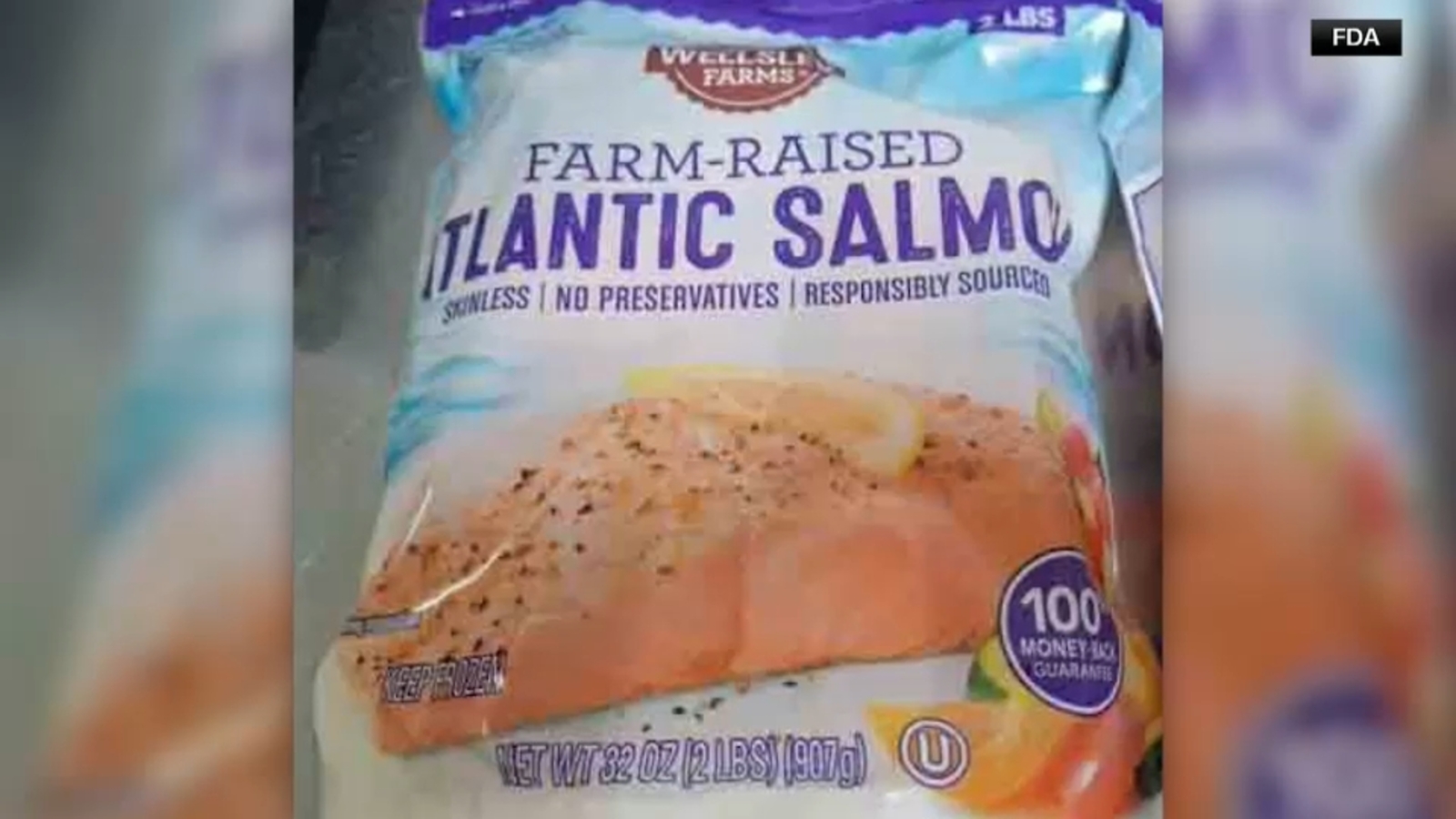
Slade Gorton & Company has recalled two‑pound bags of Wellsley Farms farm‑raised Atlantic salmon after FDA testing found Listeria in a random sample; the product was sold at BJ’s Wholesale Club stores across several states, including New York and New Jersey, between Jan. 31 and Feb. 7. BJ’s is notifying members and offering full refunds while the supplier and retailer investigate the contamination, creating limited near‑term sales disruption, potential recall/refund costs and modest reputational risk for the retailer and supplier.
Market structure: BJ's (BJ) is the clear short-term loser—private‑label Wellsley Farms exposure creates concentrated reputational risk—while large, trusted multipliers (COST, WMT, KR) are likely to pick up displaced perishable sales. Pricing power shifts are minimal; expect a modest 1–3% traffic hit to BJ stores in affected regions over 2–6 weeks and a 2–5% transient uplift in spot Atlantic salmon/seafood wholesale prices if distributors divert supply. Volatility: implied vol on BJ options should spike 20–60% intraday; bonds and FX are effectively unaffected.
Risk assessment: tail risks include a consumer illness cluster or multi‑state outbreak leading to FDA class I recall and class‑action suits with potential liabilities in the $10–100m range; low probability but high impact within 30–90 days. Immediate (days) risk is reputational headlines and member refunds; short term (weeks/months) is comp sales erosion and inventory write‑offs; long term (quarters) is share loss to larger operators if QC issues persist. Hidden dependency: BJ’s cold‑chain/vendor oversight of private label is the failure point that could expose other SKUs.
Trade implications: direct short of BJ via 30–90 day puts or 1–2% outright short stock exposure; pair long COST (2–3%) vs short BJ (1–2%) to capture share shift over 3–6 months. Options: buy 60–90 day put spreads on BJ to cap cost, or sell short‑dated calls on newly acquired COST/WMT to finance. Enter quickly (within 1–7 days) while IV is elevated; trim if containment confirmed within 30 days or stock recovers >5% on positive FDA news.
Contrarian angles: consensus may overprice systemic risk—most grocery recalls (e.g., romaine) saw recoveries in 4–12 weeks once supply chains validated. If FDA testing clears additional lots in 14–30 days, BJ could rebound 5–10% as the market underestimates restoration of member loyalty. Unintended consequence: higher compliance costs industry‑wide favor large chains (COST, WMT) longer term, creating a structural tailwind for scale players.
AI-powered research, real-time alerts, and portfolio analytics for institutional investors.
Request DemoOverall Sentiment
mildly negative
Sentiment Score
-0.25
Ticker Sentiment
