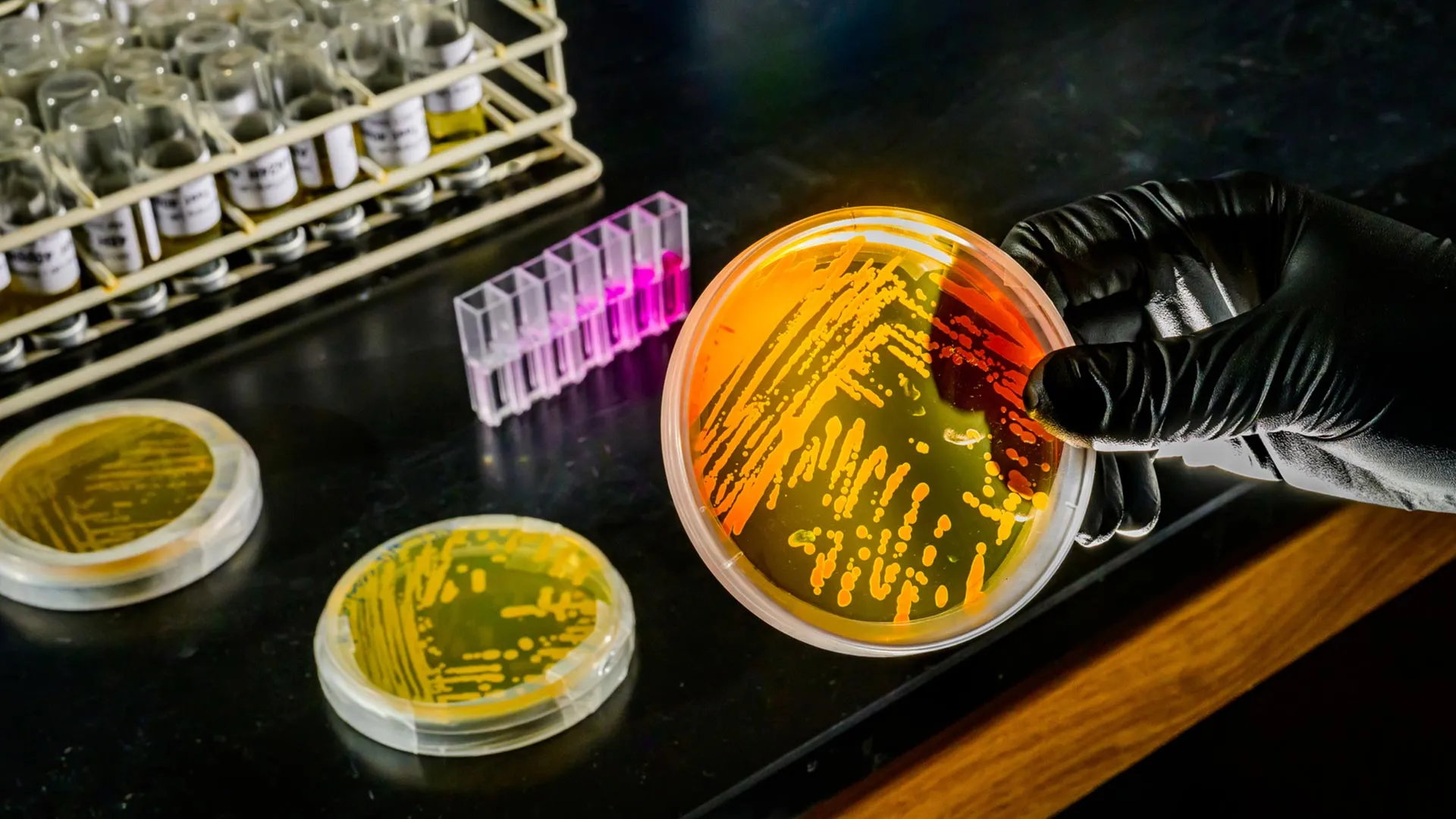
About 30% of marine microbial plankton are ammonia-oxidizing archaea like Nitrosopumilus maritimus. Lab experiments show these microbes, when exposed to warmer and iron-limited conditions, use iron more efficiently and require less iron, and coupled global biogeochemical modeling indicates they may maintain or enhance nitrogen cycling and support for primary production across vast iron-limited regions (effects potentially reaching ~1,000 m depth). A planned summer ocean expedition will test these findings in situ; results published in PNAS.
This finding shifts the investment lens from commodity supply to scientific & monitoring infrastructure: if abundant archaea remain active deeper and across iron-poor gyres, research funding and long-term ocean monitoring demand should rise materially. Expect a stepped increase in multi-year procurement cycles for precision trace‑metal clean labs, autonomous samplers and deep profilers — contract sizes often run $5–50m per program with procurement lags of 6–18 months, creating a 12–24 month revenue visibility window for specialized instrument vendors.
Second-order ecological pathways matter for markets. Sustained nitrification at depth can alter the efficiency of the biological carbon pump and regional oxygen budgets; that’s a structural input into fisheries yields, coastal hypoxia risk, and carbon-offset models that price marine sequestration. Any shift in modeled sequestration efficiency of even 10–20% would change projected carbon credit supply/demand in voluntary markets and could re-rate companies exposed to marine carbon projects within 1–3 years.
Key reversal risks are ecological complexity and lab-to-field translation: mixed microbial communities, micronutrient co‑limitation (e.g., copper, manganese) or top‑down grazing could negate the lab-observed efficiency gains once scaled spatially. Near-term catalysts to watch are (1) results from the upcoming Sikuliaq expedition (initial data within 3–6 months), (2) NSF/BOEM/foreign research funding announcements over 6–12 months, and (3) regional fisheries assessments over 12–36 months that will validate any productivity shifts.
AI-powered research, real-time alerts, and portfolio analytics for institutional investors.
Request DemoOverall Sentiment
neutral
Sentiment Score
0.05
