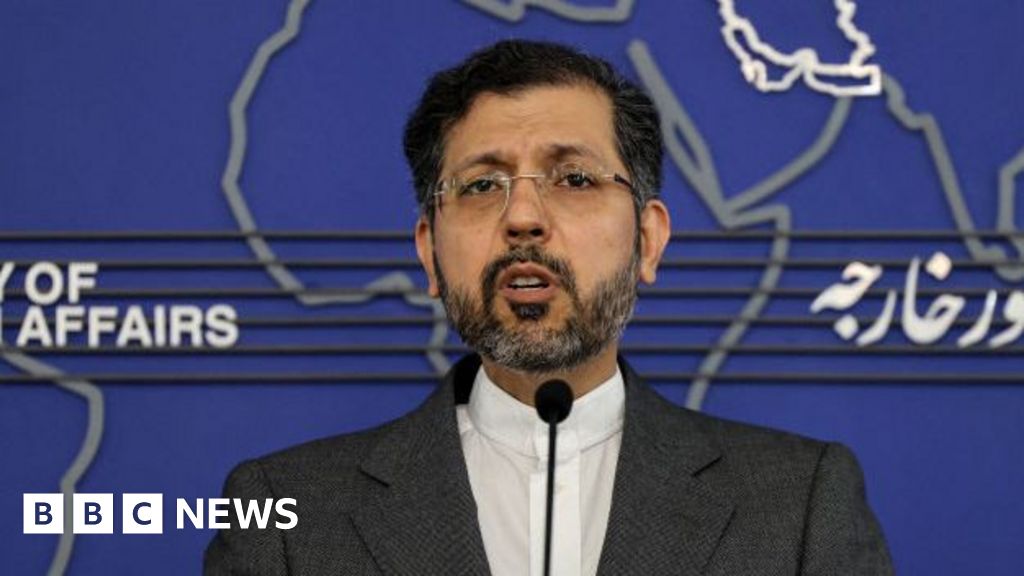
203 people were reported killed in Israeli air strikes in Lebanon amid claims the US-Iran two-week ceasefire was violated, with Iran warning the US to choose "between war and ceasefire." Hezbollah reported resumed attacks and Iran has effectively blocked the Strait of Hormuz, through which about 20% of global oil and LNG typically transits, elevating risk of higher energy prices and wider market disruption. Scheduled US‑Iran talks are now uncertain, increasing regional geopolitical risk for portfolios.
Geopolitical risk is asymmetric and lumpy: low-probability kinetic escalations can produce multi-week dislocations in freight, insurance and energy curves even if they do not become full-scale wars. Expect a sharp, front-loaded move in maritime war-risk premiums and freight rates within days, with potential knock-on effects to North Atlantic/European gas markets and refinery feedstock flows over weeks as cargoes are delayed or rerouted.
Second-order effects matter more than headline oil price moves. Elevated insurance and rerouting add fixed $/shipment friction that is regressive for low-margin, high-volume manufacturers and retailers — think mid-single-digit margin compression over 1-3 quarters if premiums remain elevated. Conversely, fleets with optionality for longer-haul voyages (VLGC/LNG owners, storage-charter players) capture outsized revenue per voyage and can see EBITDA expand 20-40% during sustained premium regimes.
Key risks and catalysts: diplomacy or a formal agreement can unwind price and insurance spikes within 7-30 days, while any validated strike on energy infrastructure would shift the regime to months of higher structural premia and potential upstream capex acceleration. Monitor three near-term indicators for regime change: (1) credible reopening of chokepoints or insurance normalization, (2) freight-rate curves (TC and Baltic indices) rolling from contango to elevated spot, and (3) US/European strategic release or diplomatic de-escalation statements.
Trade implementation should be time-boxed and convex: use short-dated option structures to monetize near-term volatility, prefer asset-light equities that capture higher freight/insurance without long-term capex exposure, and hedge macro tail-risk with pairs that profit from dispersion between energy/logistics winners and consumer/transport losers.
AI-powered research, real-time alerts, and portfolio analytics for institutional investors.
Request DemoOverall Sentiment
strongly negative
Sentiment Score
-0.70
