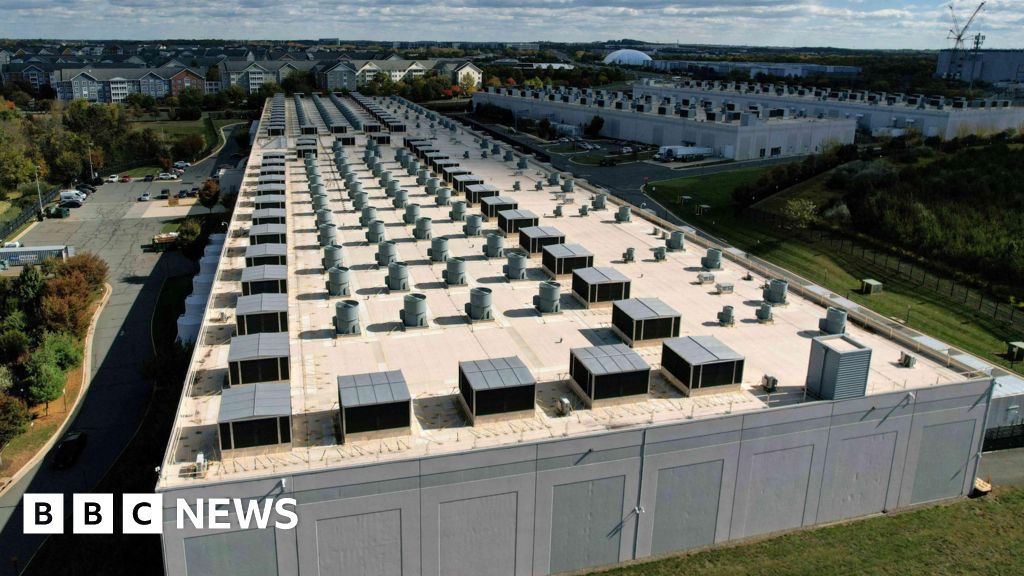
Seven major tech firms — Google, Microsoft, Meta, Oracle, xAI, OpenAI and Amazon — signed a White House 'ratepayer protection pledge' to build, procure or pay for new power generation and grid upgrades for AI data centres and to negotiate state-level rate structures. Administration officials say the commitments aim to curb upward pressure on household utility bills, but enforcement is unclear amid complex regulatory layers and analyst skepticism; residential electricity prices averaged a 6% rise in 2025 and rising natural gas exports and geopolitical tensions (US/Israel conflict with Iran) risk further upward pressure on energy costs. Investors should monitor potential capex and operating cost implications for cloud/AI providers, state utility rate negotiations, and regional grid planning processes that could affect power producers, utilities and data-centre economics.
Market structure: Hyperscalers (GOOGL, GOOG, MSFT, AMZN, META) are the immediate winners — the pledge reduces long‑run marginal energy risk for AI compute and preserves growth runway, while regulated utilities can win contracted revenues and ratebase additions from interconnection/upgrades. Residential rate relief is uncertain because enforcement sits with state PUCs and grid operators; expect project-level outcomes over 6–24 months as interconnection queues and PPAs are negotiated.
Risk assessment: Key tail risks are enforcement failure (pledge = PR), rapid natural‑gas price shocks from geopolitics (Henry Hub > $6/mmBtu would likely push US power prices +20–40% in 1–3 months) and local bans/permit delays that strand tech capex. Shorter horizon (days–weeks) sees headline volatility; medium (3–12 months) sees margin and cash‑flow impacts from on‑site generation capex; long (1–3 years) is grid reshaping and possible favorable regulatory rate design for large customers.
Trade implications: Favor selective exposure to hyperscalers while hedging policy and commodity risk: size modest longs in GOOGL/MSFT/AMZN/META (1–2% each) funded from defensive cash, and buy 3–6 month 10–20% OTM call spreads to cap cost. Add a conservative 1% long in regulated utilities ETF (XLU) to capture ratebase upside, and a 1% 3–6 month natural‑gas call spread ($5→$7) as a geopolitical hedge.
Contrarian angles: Consensus assumes pledge converts to built capacity; history (telecom/renewables) shows many corporate promises become REC purchases or negotiated below‑market rates — meaning utilities may not get the anticipated capex and tech FCF could compress 1–4% if firms fund generation. Watch state PUC filings and company CAPEX guidance in the next 30–90 days as the decisive signal; if filings are absent, downside for utility/tech sentiment is underpriced.
AI-powered research, real-time alerts, and portfolio analytics for institutional investors.
Request TrialOverall Sentiment
neutral
Sentiment Score
-0.05
Ticker Sentiment
