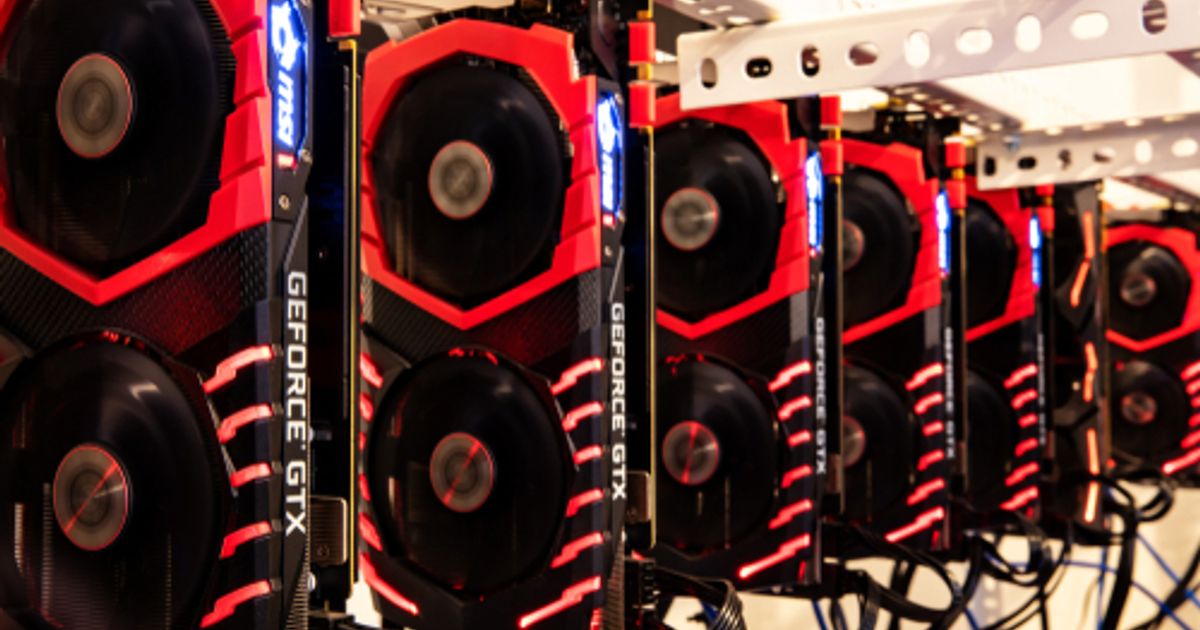
Surging memory prices — GDDR6/GDDR7 up several hundred percent and HBM3E rising ~20% — have pushed memory to over 80% of a GPU's bill of materials, prompting AMD and NVIDIA to plan phased GPU price hikes starting in Q1 2026 (AMD possibly Jan, NVIDIA Feb) with monthly adjustments thereafter. The increases target NVIDIA’s RTX 50 series and AMD’s Radeon RX 9000 line, with flagship GeForce RTX 5090 potentially reaching $5,000 (partners currently at $3,000–$3,500), NVIDIA considering 30–40% production cuts on midrange chips, and H200 AI GPU prices already at $30k–$40k; analysts warn sustained hyperscaler demand may persist but higher memory costs will likely depress consumer PC demand, leading OEM price shifts.
Market structure: Memory suppliers (Micron MU, SK Hynix, Samsung) are clear winners as GDDR7/GDDR6/HBM3E now account for >80% of GPU BOM; expect memory suppliers' revenue and ASPs to rise 20–100% in H1 2026 if current trends hold, while PC OEMs (DELL, Lenovo, ASUS) and consumer GPU demand are losers as price elasticity will cut unit volumes. NVIDIA and AMD retain pricing power on flagship AI GPUs — midrange demand is at risk; NVIDIA's reported 30–40% cut in midrange production will likely compress unit sales but support ASPs, shifting mix to high-margin datacenter SKUs.
Risk assessment: Short-term (days–weeks) volatility centered on Q1 2026 price-hike announcements and TrendForce reports; medium-term (months) risk is demand destruction in consumer PCs if memory-driven GPU ASPs rise 20–50%. Tail risks include a sharp capex pullback by hyperscalers or regulatory export controls that collapse memory prices (>30% drop in 60 days) or conversely accelerated supply (new wafer capacity) that normalizes prices within 6–12 months. Hidden dependencies: AIB partner inventory cycles and second-hand GPU markets can mute ASP increases; watch OEM order cadence and channel inventory levels.
Trade implications: Favor long memory exposure (MU) and underweight/hedge PC OEMs (DELL) immediately — act within next 2–8 weeks before phased GPU price hikes in Q1–Q2 2026; scale into AMD selectively versus NVDA because NVDA has higher HBM exposure and higher downside to consumer demand. Use options to limit pain: buy 6–9 month MU call spreads to play memory upside; buy 3–6 month puts on DELL or trim 50% of PC exposure; for NVDA, prefer income strategies (sell 30–45 day 15–25% OTM covered calls) over naked shorts given momentum.
Contrarian angles: Consensus underestimates speed of mean reversion — memory spikes historically (e.g., 2017–18 crypto) reversed in 6–12 months once new capacity or demand shifts occurred, so avoid all-in longs. Also, aggressive GPU ASPs could accelerate cloud migration and second-hand markets, benefiting hyperscalers and ARM/accelerator rivals (AMZN, GOOG, INTC alternatives) rather than pure consumer OEMs. Key thresholds: if GDDR7/GDDR6 spot falls >30% from peak or OEM channel inventory expands >20% QoQ, reverse memory longs and cover PC puts within 2–3 weeks.
AI-powered research, real-time alerts, and portfolio analytics for institutional investors.
Request DemoOverall Sentiment
moderately negative
Sentiment Score
-0.45
Ticker Sentiment
