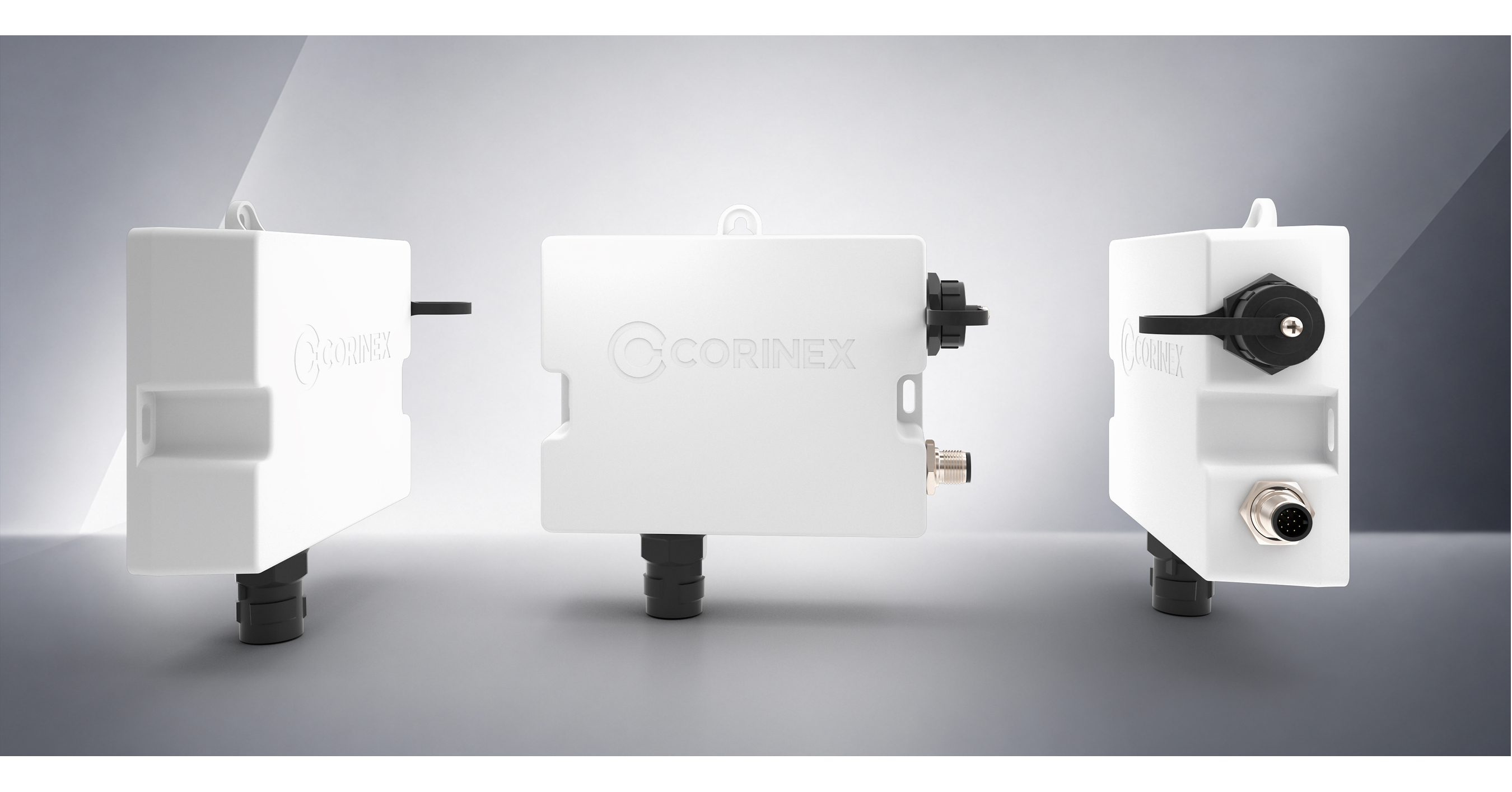
Corinex lanzó el Nodo de Inteligencia de Red (GIN) para monitoreo casi en tiempo real en alimentadores de baja tensión, con medición de tensión/corriente trifásica (error RMS ≤0,5%) y monitoreo de armónicos hasta el armónico 51. El sistema integra comunicaciones BPL sobre la red eléctrica y detección de eventos (caídas/sobretensiones, sobrecargas y desequilibrio de fase) para mejorar la estimación del estado, la capacidad disponible y la verificación de intervenciones, especialmente para electrificación (p. ej., EV, bombas de calor y FV). La noticia es principalmente un anuncio de producto; el impacto de mercado se percibe como moderado/limitado para precios inmediatos.
This is less a product story than evidence that distribution utilities are moving from blind capex to targeted capex. The economic winner is the utility that can defer a feeder rebuild or transformer swap by proving where flexibility exists; the near-term loser is the legacy "throw copper at the problem" model, which is more relevant to regulated rate-base growth than to reliability. That creates a subtle tension: utilities improve service and hosting capacity, but if the same visibility meaningfully reduces blanket reinforcement, equity upside from rate-base expansion can be delayed.
The second-order beneficiary set is broader than the article implies: EV charging, heat pumps and rooftop solar can connect faster if low-voltage constraints become measurable and actionable, which pulls forward load growth and eventually creates a larger hardware/software budget. But the winners will be the vendors that sit inside utility workflows and cybersecurity approvals; a good spec sheet is not enough. That favors incumbents with integration depth over point solutions, and it suggests the market should watch procurement conversion rates, not press-release frequency.
The contrarian risk is that digital-twin rhetoric outruns actual deployment economics. Low-voltage visibility only matters if utilities can operationalize flexibility programs and regulators allow them to treat software as an acceptable substitute for wires; otherwise the data becomes another dashboard. Time horizon matters: days to weeks = no meaningful earnings impact, 1-3 months = pilot announcements and framework agreements, 6-18 months = real budget reallocation. If utilities continue to raise reinforcement capex while talking up digitalization, the thesis is probably more narrative than financial.
AI-powered research, real-time alerts, and portfolio analytics for institutional investors.
Request DemoOverall Sentiment
mildly positive
Sentiment Score
0.25
