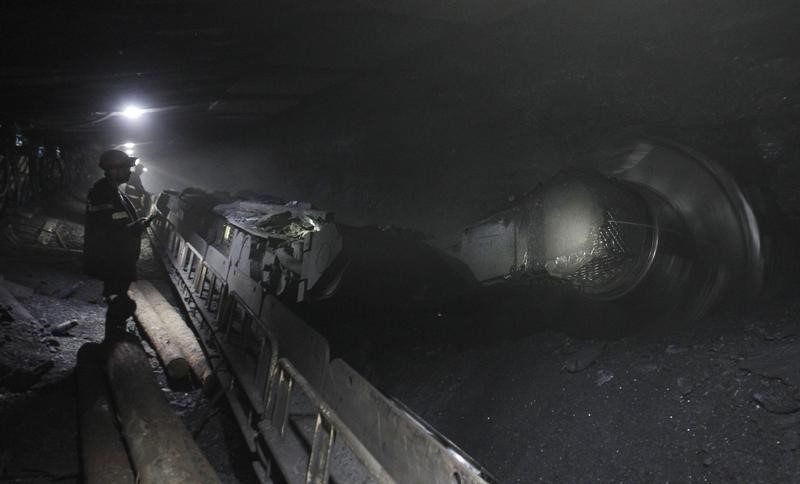
China revised the death toll from the Liushenyu coal mine gas explosion to 82, with 2 still missing and 128 hospitalized, making it the country's deadliest mining accident since 2009. The mine’s operator has shut all four of its mines and detained several executives as investigators probe safety failures. The disaster is likely to increase scrutiny of China’s coal mining safety practices and could weigh on sentiment toward the sector.
This is not a broad macro shock; it is a localized supply-chain and policy-risk event with asymmetric read-throughs to coal-linked equities, power markets, and industrial safety enforcement. The immediate market implication is less about lost tonnage and more about a higher probability of inspections, temporary shutdowns, and delayed output across adjacent mines in Shanxi and other inland basins, which can tighten thermal coal availability at the margin for several weeks to months. In a market where China still uses coal as the swing fuel, even small disruptions can have outsized effects on domestic spot pricing and logistics-sensitive producers.
The second-order winner is not the mine operator’s peers per se, but higher-cost seaborne and non-Shanxi producers that can reprice into a firmer domestic market if regulators force supply discipline. Conversely, steel, cement, and power generators with less fuel optionality face a near-term input-cost squeeze, especially if inspections propagate into transport bottlenecks or curtailments of small mines. The key risk is that Beijing overcorrects with a safety campaign that suppresses output more broadly than the initial accident suggests, extending the dislocation from days into months.
Contrarianly, the selloff in China-exposed cyclicals may be overdone if investors assume a permanent supply shock. Coal incidents often trigger a short, sharp regulatory response followed by normalization once headlines fade; the tradable edge is to fade the panic after the first wave of closures rather than chase it on day one. The more durable implication is policy: if workplace safety becomes a political priority, capex shifts toward automation, monitoring, and remote operations could accelerate, creating a medium-term beneficiary set outside the commodity complex.
AI-powered research, real-time alerts, and portfolio analytics for institutional investors.
Request DemoOverall Sentiment
strongly negative
Sentiment Score
-0.68
Ticker Sentiment
