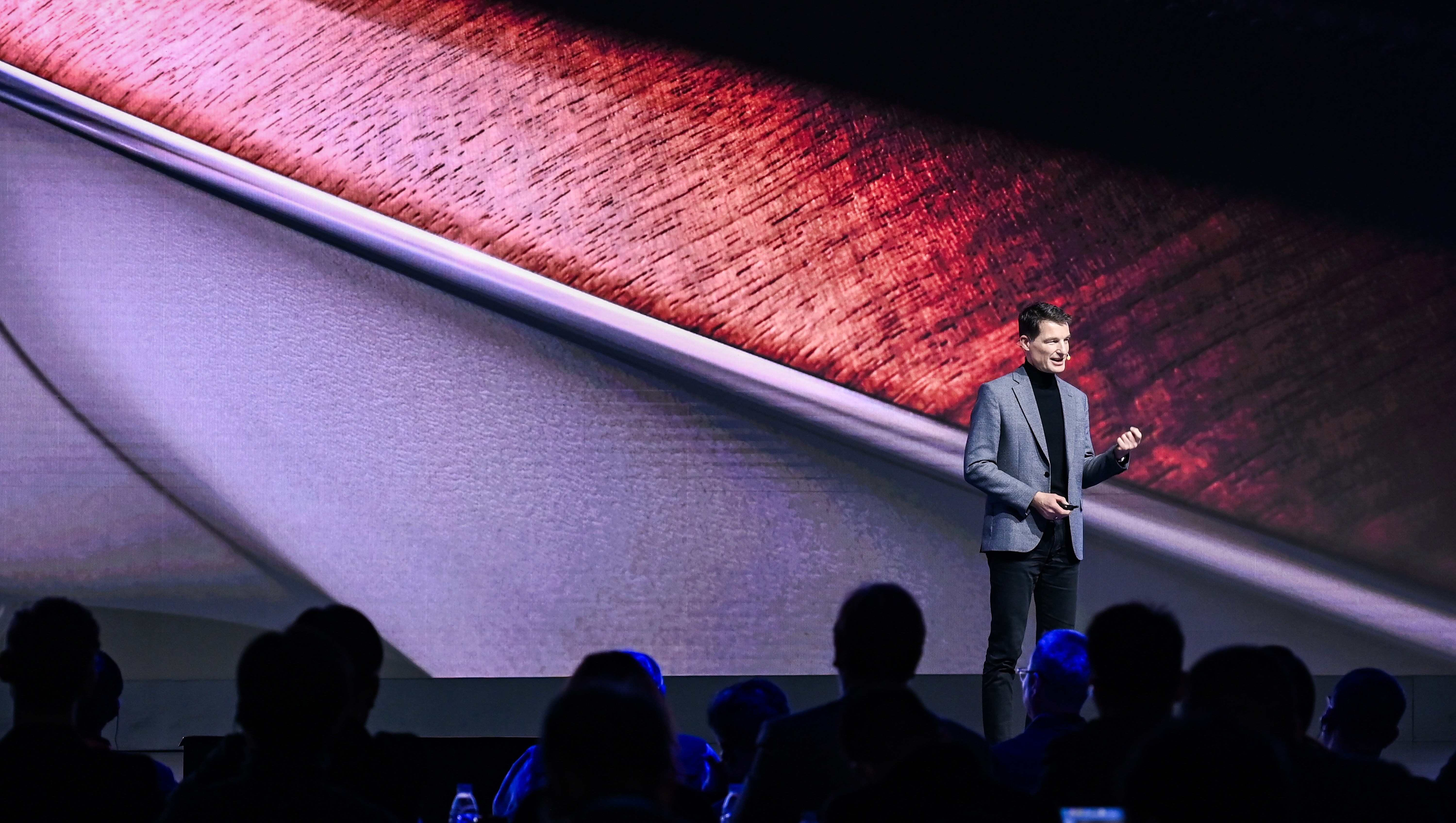
Volvo Cars has appointed Thomas Ingenlath as Chief Design Officer effective 1 February 2026, rejoining the company to lead global design and support its electrification and brand strategy; Nicholas Gronenthal is named Head of Design Americas. The notice highlights Ingenlath's prior role shaping Volvo's Scandinavian design identity and his tenure as Polestar CEO, underscoring a strategic emphasis on design-led EV differentiation. Volvo also disclosed 2024 metrics: record core operating profit of SEK 27 billion, revenue of SEK 400.2 billion and global sales of 763,389 cars, with a stated ambition to be fully electric and achieve net-zero emissions by 2040 (ticker: VOLCAR B).
Market structure: Ingenlath’s return is a clear signal Volvo (VOLCAR B) intends to deepen premium design differentiation in the EV segment; that favors Volvo, high-end design-led peers and interior/exterior suppliers and hurts low-cost volume EV makers that compete mainly on price. Expect modest pricing power upside—management can realistically chase a 1–3% ASP uplift and 50–150bp gross margin improvement over 12–24 months if product execution follows. Risk assessment: Near-term market reaction will be muted (days) but sentiment and hiring/newsflow can move the stock in weeks; real P&L impact is 12–36 months as new designs reach production. Tail risks include design misfire, recall/regulatory setbacks in China/US, or key supplier bottlenecks that could wipe projected margin gains; trigger levels to watch: >200bp YoY margin deterioration or >5% unit-sales miss. Trade implications: Implement size-constrained exposure to capture branding/upside while containing downside: use 12-month call spreads to capture rally and sell covered calls on part of any outright long to fund premium. Consider relative-value (pair) trades long VOLCAR B vs short a less design-focused OEM to isolate design upside; rotate capital into premium EV suppliers with structural China manufacturing exposure over 6–18 months. Contrarian angle: The market underestimates design hires because product lead times are long—impact typically lags 12–36 months, so early-stage sentiment is underdone but execution risk is non-trivial. Historical parallels (design leadership changes at premium European OEMs) show possible outsized brand re-rating if next-gen models land, but also periods of polarization and margin pressure if costs rise from bespoke materials.
AI-powered research, real-time alerts, and portfolio analytics for institutional investors.
Request DemoOverall Sentiment
mildly positive
Sentiment Score
0.30
