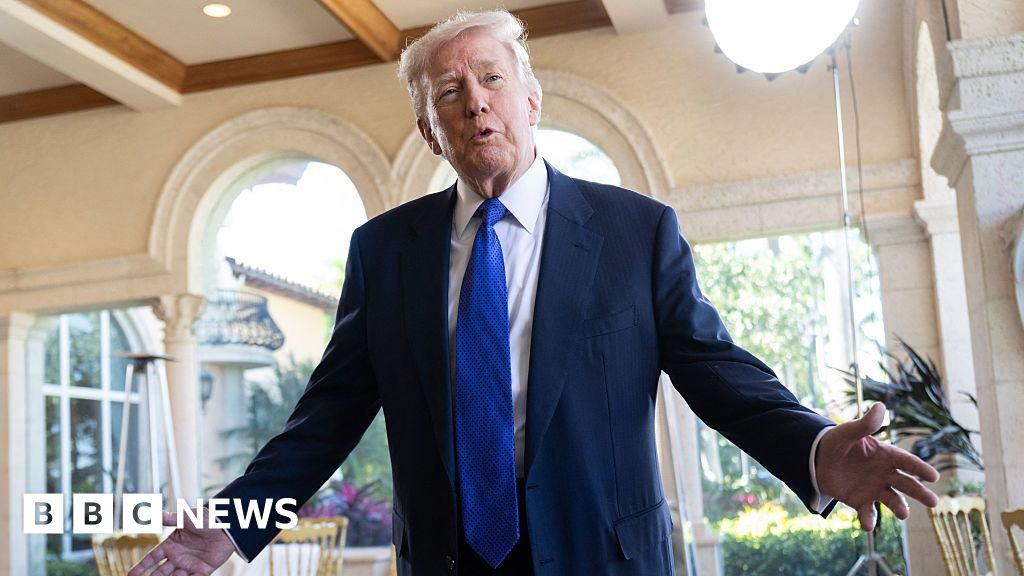
The US and India reached a bilateral trade understanding in which the US will lower tariffs on Indian goods to 18% (from 25%) and drop a prior 25% penalty tied to India's purchase of Russian oil; the White House confirmed the Russian oil-linked tariffs will be removed. President Trump said India agreed to cut non-tariff barriers to zero, stop buying Russian oil and increase purchases of US energy, technology, agriculture and coal — including a claimed commitment to buy over $500bn of American goods. The deal lifts pressure on bilateral trade flows and energy demand, sent US stocks slightly higher, but drew criticism from US small importers who note the new rate is far above pre-tariff levels (~2.5%), leaving uncertainty over implementation and exact market effects.
Market structure: The headline deal (tariffs down from 50%/25% penalties to 18%) is pro-energy and pro-US exporters — likely net winners are US crude/LNG exporters and capital goods/agribusiness suppliers that can scale to India (XOM, CVX, LNG, ADM). US importers/retailers (WMT, TGT) and Indian exporters who enjoyed pre‑tariff 2.5% duties will still face a structurally higher tariff regime, so volumes likely recover only partially; expect INR strength and incremental capital inflows into Indian bonds if flows materialize.
Risk assessment: Credibility and implementation risk is high — announcement via social media requires formal tariff schedules and MOUs; allow 7–90 days to validate. Tail risks: India keeps buying Russian oil via intermediaries or delays refinery conversions (operational), US domestic political pushback from small businesses (regulatory/legal), or a reversal pre-election. Hidden dependency: switching crude grades requires refinery CAPEX and freight economics — India won’t flip 1m b/d overnight without >$5–$10/bbl arbitrage for US crude.
Trade implications: Tactical ideas — overweight US energy exporters and LNG (XOM, CVX, LNC/Cheniere LNG ticker LNG) on 3–12 month horizon; establish 1–3% positions (each) on confirmed implementation. Hedge via short consumer discretionary/retail exposure (WMT, TGT) 0.5–1% or buy 3–6 month puts; consider long INR via EMLC/INDA exposure if tariff schedule is published within 30 days.
Contrarian angles: The market may be overstating immediacy — $500bn purchase claim is implausible and tariffs remain well above pre-2023 levels, so full trade normalization is unlikely. Historical parallel: previous high‑profile trade pronouncements produced headline rallies but limited structural flow change; set a validation threshold: India crude purchases from Russia down >50% in 90 days or formal bilateral purchase contracts worth >$50bn signed within 180 days before increasing risk exposure.
AI-powered research, real-time alerts, and portfolio analytics for institutional investors.
Request DemoOverall Sentiment
mildly positive
Sentiment Score
0.25
