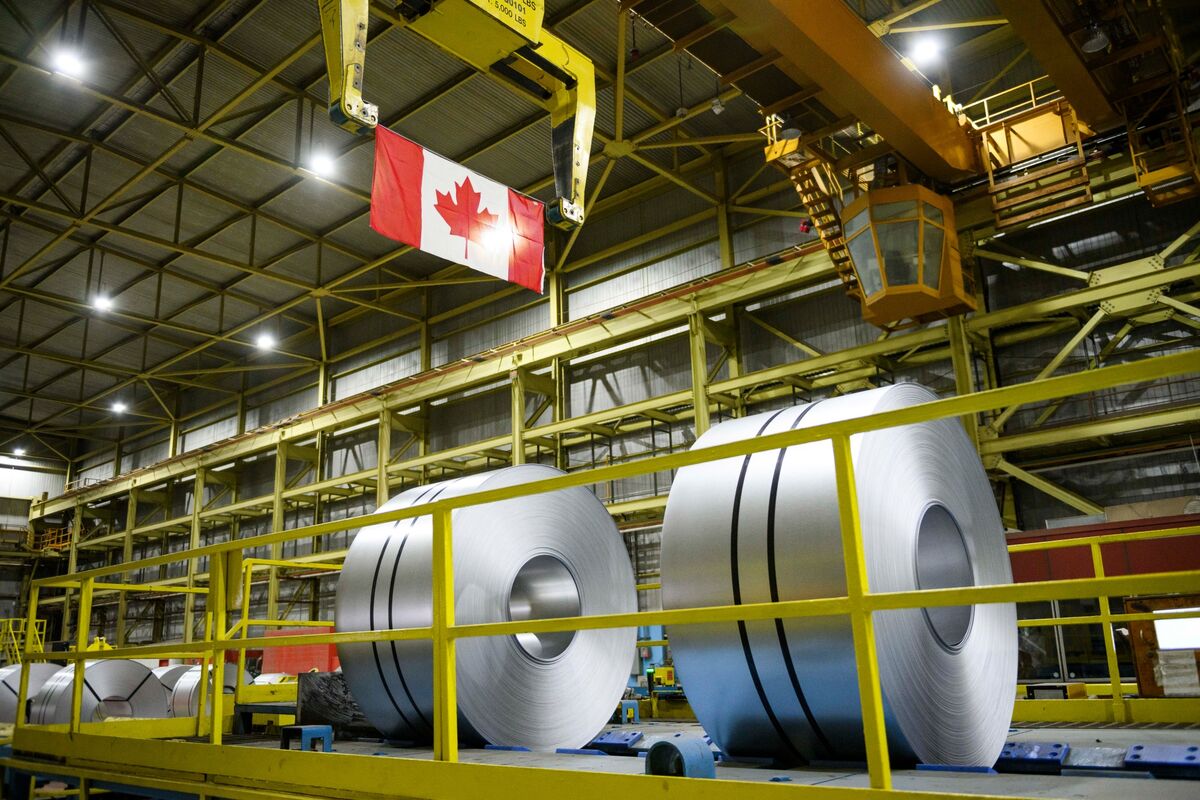
Canada is tightening its steel import quotas, reducing tariff-free volumes from non-free trade agreement countries to 50% of last year's levels, with a 50% tariff applied to shipments exceeding this threshold. Announced by Prime Minister Mark Carney, this measure aims to bolster domestic producers facing pressure from US tariffs, potentially re-shaping steel trade dynamics and supply chains.
The Canadian government is implementing a significant defensive trade policy to protect its domestic steel industry from the secondary effects of U.S. tariffs. By establishing a tariff rate quota (TRQ), Canada will cap tariff-free steel imports from countries without a free-trade agreement at 50% of the prior year's volumes. Any shipments exceeding this new, lower threshold will be subject to a prohibitive 50% tariff. This protectionist measure is a direct response aimed at preventing steel from being diverted into the Canadian market, which would otherwise pressure local producers. The policy is expected to create a more favorable operating environment for Canadian steelmakers by curtailing foreign competition, potentially leading to firmer domestic prices and increased market share. However, this will likely raise input costs for downstream industries in Canada that rely on steel, such as manufacturing and construction, thereby impacting their cost structures and competitiveness.
AI-powered research, real-time alerts, and portfolio analytics for institutional investors.
Request DemoOverall Sentiment
moderately positive
Sentiment Score
0.35
