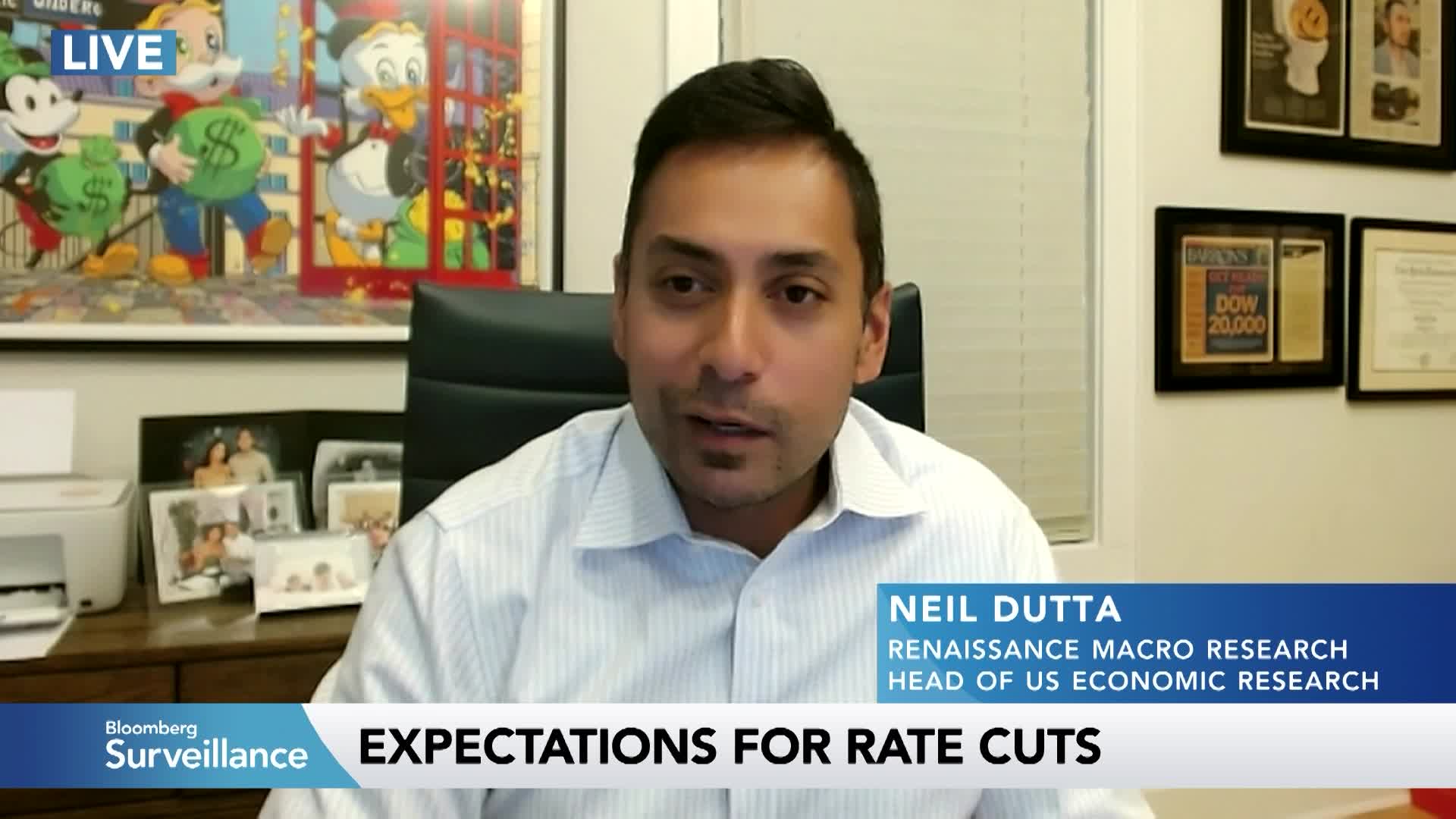
Neil Dutta, head of US economic research at Renaissance Macro Research, indicates the Federal Reserve is unlikely to implement a 50 basis point interest rate cut in September, instead suggesting a 25 basis point reduction as a prudent 'insurance policy.' This view signals a more conservative outlook on potential Fed easing than some market expectations.
Neil Dutta, head of US economic research at Renaissance Macro Research, provides a key insight into the potential trajectory of Federal Reserve monetary policy, forecasting a 25 basis point interest rate cut in September rather than a more aggressive 50 basis point reduction. His characterization of a 25 bps cut as an "insurance policy" suggests the move would be a cautious, preemptive measure against potential economic slowing, not a reaction to a significant downturn that would necessitate a larger cut. This viewpoint, which carries a mildly negative sentiment signal, implies a more hawkish stance than some market participants may be anticipating and tempers expectations for a rapid or deep easing cycle. The moderate market impact score underscores the relevance of this perspective in shaping near-term rate expectations.
AI-powered research, real-time alerts, and portfolio analytics for institutional investors.
Request DemoOverall Sentiment
mildly negative
Sentiment Score
-0.15
