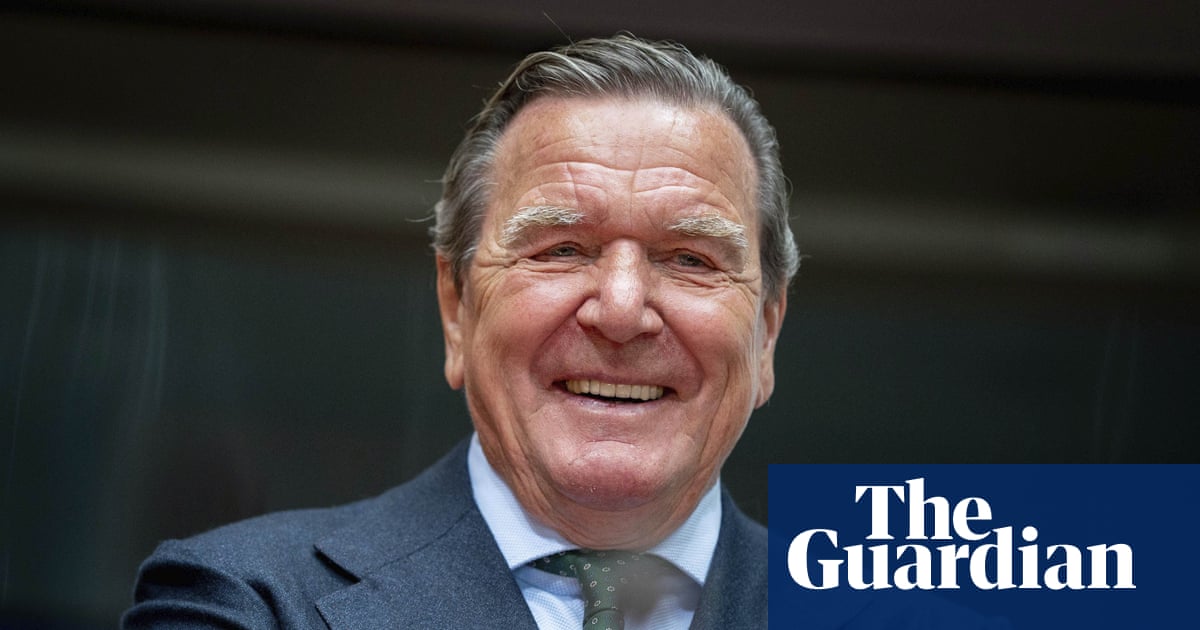
The EU rejected Vladimir Putin’s suggestion that Gerhard Schröder could act as a European mediator in Ukraine peace talks, with EU officials calling him too close to Moscow to serve as an impartial broker. The article highlights continued deadlock over Ukraine negotiations, including Russia’s demand that Kyiv withdraw from Donbas and the EU’s push to avoid being sidelined in any future deal. The piece is geopolitically significant but does not contain a direct market-specific catalyst.
The immediate market signal is not about a mediator cameo; it is that the Kremlin is still trying to shape the negotiating architecture before any ceasefire mechanics harden. That usually pushes probability toward a longer-duration conflict with episodic diplomatic headlines, which favors defense primes, EW/counter-drone, and energy-infrastructure repair beneficiaries over any broad peace-pricing. The more important second-order effect is that a failed “talks” narrative tends to keep European security procurement accelerated even if front-line kinetics slow, because governments will treat ceasefire language as temporary cover rather than a durable de-escalation.
The bigger risk to the market is a trapdoor around energy and infrastructure assets: if negotiations stall and each side keeps striking power assets, grid resilience, transformers, substations, and cyber/communications hardening remain in demand for months, not weeks. That creates a barbell where classic defense names are supported on persistent replenishment orders, while select industrials with exposure to European reconstruction and power equipment can compound from non-war CAPEX. A genuine diplomatic breakthrough would be negative near-term for the most levered “war trades,” but the bar for that is high because both sides still appear to be using negotiation rhetoric as positioning rather than commitment.
Consensus may be underestimating how much a symbolic mediator rejection strengthens the EU’s internal cohesion on defense sovereignty. If Brussels concludes it is being sidelined, the likely response is not capitulation but more joint procurement, more ammunition stockpiling, and faster industrial policy around munitions, air defense, and critical infrastructure. That shifts the profit pool toward European defense contractors and away from any assets implicitly pricing a quick normalization of continental risk premia.
From a timing perspective, the next 1-3 weeks matter for headline volatility; the next 3-6 months matter for procurement and budget revisions. The trade is less about a single ceasefire date and more about whether the market keeps fading every peace headline while the underlying order flow keeps rising. If battlefield stalemate persists into summer, the defense re-rating likely extends; if there is a credible monitored truce, that is the point to take profit on the most crowded Europe-war exposures.
AI-powered research, real-time alerts, and portfolio analytics for institutional investors.
Request DemoOverall Sentiment
neutral
Sentiment Score
-0.08
