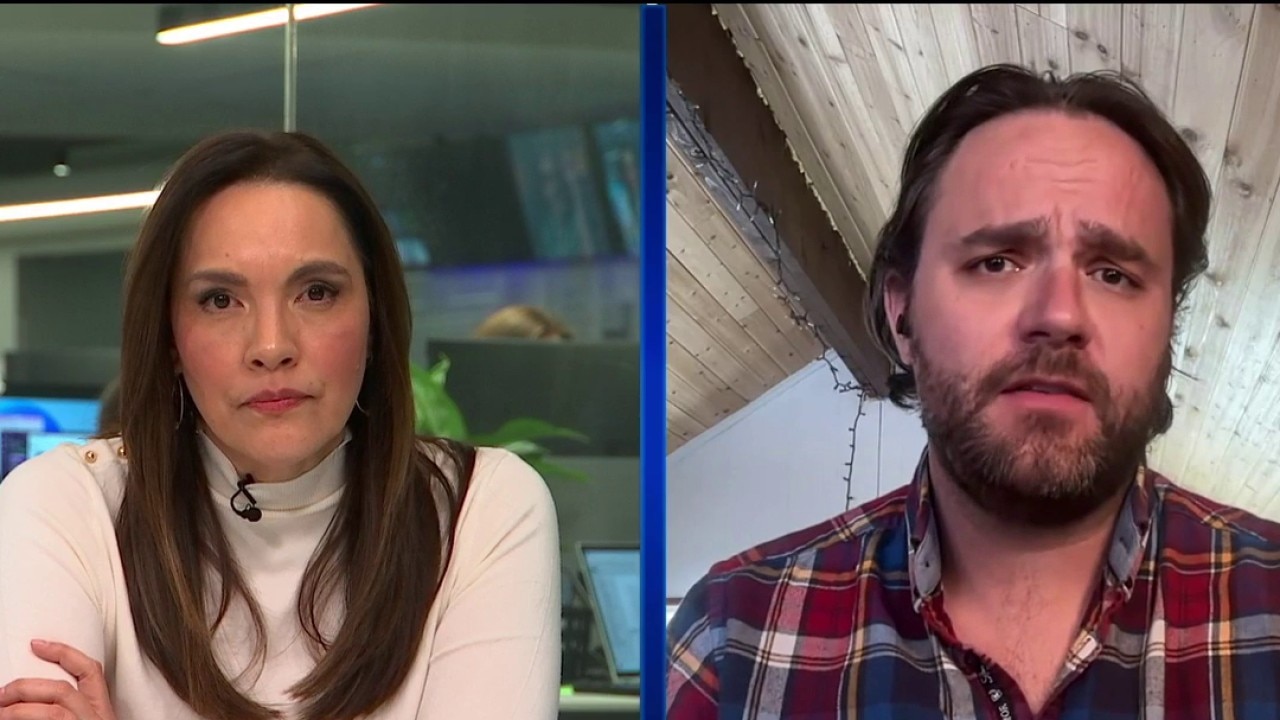
Federal DHS leadership announced immediate deployment of body cameras to agents in Minneapolis as part of Operation Metro Surge while the Hennepin County Medical Examiner ruled Alex Pretti’s death a homicide and ProPublica identified two CBP agents alleged to have fired the fatal shots. Concurrently, the White House announced plans to cut funding to sanctuary jurisdictions (subject to legal challenges), protests and arrests have followed—including a targeted rally at Target’s HQ—which creates heightened political, legal and reputational risk for local government finances and consumer-facing firms operating in Minnesota.
Market structure: The direct loser is Target (TGT) via reputational and foot-traffic risk in Minneapolis—localized sales could fall 1–3% in affected zip codes for 2–8 weeks if protests persist; discount retailers and e-commerce (WMT, AMZN) are relative beneficiaries as shoppers shift away from physical locations. Pricing power across national retailers is largely intact; this is a demand-timing shock, not a supply shock, so gross margins should be stable absent extended store closures. Municipal credit for Minneapolis/St. Paul could see a modest widening (+10–30bp) in muni spreads if legal fights and budget cuts escalate, while US Treasuries and FX should be immaterially affected.
Risk assessment: Tail risks include national escalation of protests or coordinated retail boycotts causing multi-week store closures (high-impact, low-probability) that could remove 1–2% of TGT’s annual sales and force guidance cuts. Time horizons: immediate (days) for volatility and local store disruption, short-term (weeks–months) for same-store-sales and guidance, long-term (quarters) for brand/trust erosion if headlines persist. Hidden dependencies: insurance recovery, lease clauses, and local law enforcement responses; catalysts include ProPublica follow-ups, DOJ litigation outcomes, or corporate policy changes by large retailers.
Trade implications: Size tactical short exposure to TGT modestly (1–2% portfolio risk) using 1–3 month put-spreads to cap capital at risk; consider a relative trade long WMT or COST and short TGT to capture share rotation. Options: buy 3-month TGT put spreads ~5–7% OTM (sell a further OTM leg) sized to 1–2% portfolio risk; if implied vol spikes >30% vs 90-day, prefer verticals to avoid expensive long puts. Sector rotation: overweight XLP and WMT by 2–4% and underweight XRT/department-store retail by 3–5% until 2Q comps confirm impact.
Contrarian angles: Market may over-price persistent damage—historical retailer boycotts typically fade in 2–8 weeks and customers revert; if TGT stock drops >7% with no SSS guide cut, that’s a tactical long opportunity. Watch thresholds: increase long size if TGT IV >30% and price < -7% from pre-news, or flip to short if company reports >3% same-store sales downtick or guidance cut. Unintended consequence: heavy shorting could force quick rebound if Target ramps community outreach or security measures, so keep positions hedged and size-constrained.
AI-powered research, real-time alerts, and portfolio analytics for institutional investors.
Request DemoOverall Sentiment
mildly negative
Sentiment Score
-0.30
Ticker Sentiment
