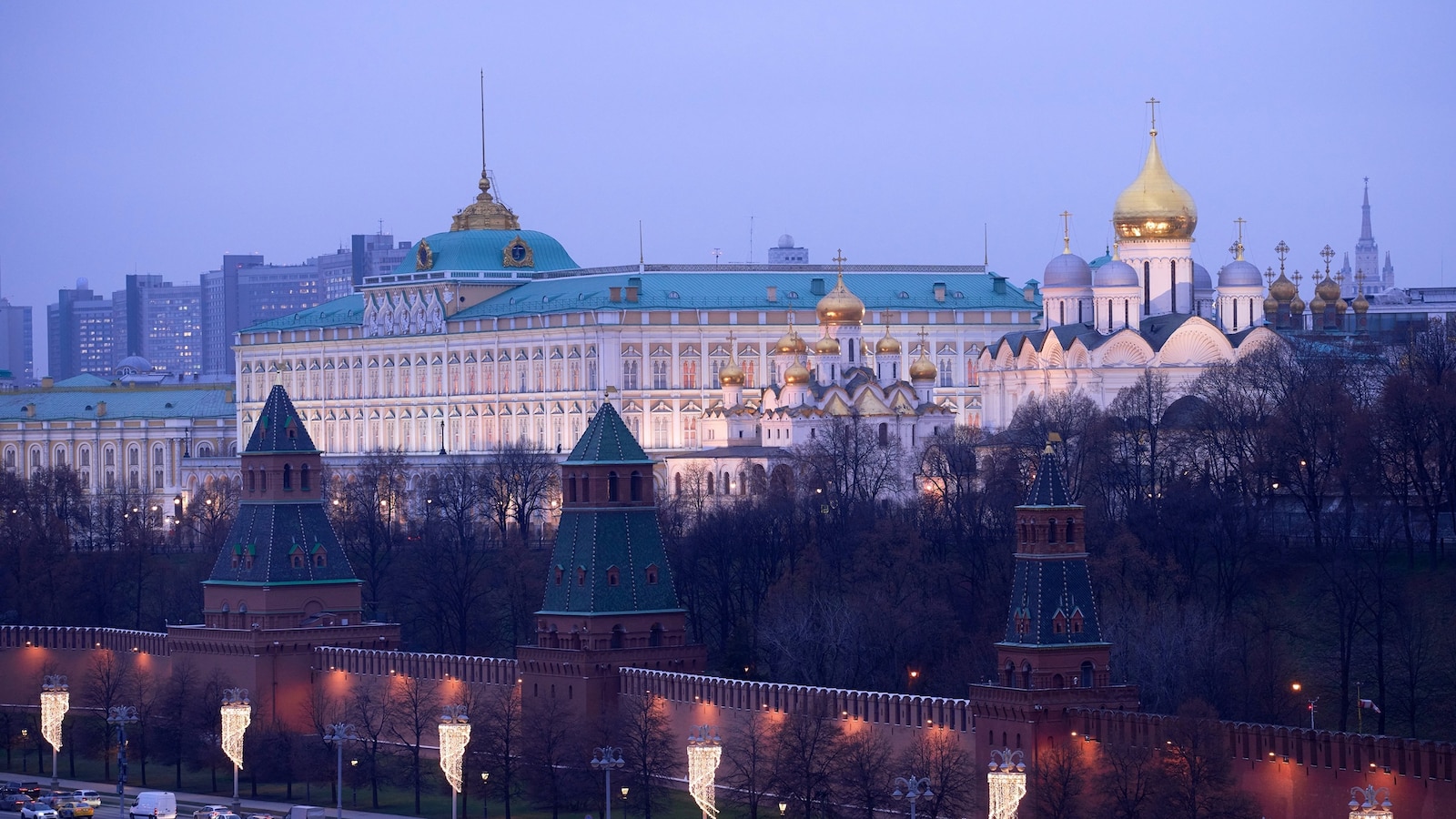
Overnight exchanges of long-range drones continued as Russia said it downed at least 195 Ukrainian drones (including five over Moscow) while Ukraine reported Russia launched 116 drones into its territory, with 60 neutralized and 48 impacting 19 locations; flight restrictions were imposed at Domodedovo and Vnukovo and several regional airports. President Zelenskyy outlined a U.S.-negotiated 20-point peace framework—including Article‑5‑style security guarantees without NATO accession and an early post-deal presidential election—that Kyiv backs and says is under Moscow review, with officials signaling ongoing diplomatic contacts. Energy repair crews are restoring power after strikes ahead of Christmas, underscoring continued disruption to infrastructure and potential regional economic and risk implications for markets.
Market structure: Near-term winners are prime defense contractors (US/NATO suppliers), energy producers with flexible export capacity, and specialty air‑defense and drone‑countermeasure vendors; losers are Russia‑exposed commercial aviation, regional airports, and Ukrainian energy infra operators. Pricing power shifts toward prime contractors (Lockheed, Raytheon) as states accelerate procurements — expect order flow to lift revenues by mid‑2025 if purchases proceed; spot energy will remain bid on disruption risk, keeping Brent skewed +$5–$15/bbl above pre‑escalation levels.
Risks: Tail scenarios include rapid escalation to heavier strikes or a negotiated ceasefire; both are high‑impact and low‑probability in the short run. Immediate (days): volatility spikes in oil, FX (RUB), and equities; short term (weeks–months): defense capex commitments and sanctions policy crystallize; long term (quarters–years): re‑routing of European energy supply and sustained defense spending. Hidden dependencies include US security guarantee language tying financing to US suppliers and Congressional funding cycles — monitor appropriations deadlines and OPEC+ guidance as catalysts.
Trade implications: Direct trades favor 3–12 month long exposure to RTX (RTX) and LMT (LMT) via call‑spreads to capture procurement upside, paired with short positions in airline operators (DAL, UAL, LHA.DE) for flight disruption risk. Cross‑asset plays: overweight GLD (gold) and short duration US Treasuries as safe‑haven hedges; consider buying 1–3 month VIX calls for event insurance if near‑term talks falter. Entry: deploy within 5 trading days; exit or re‑weight on a confirmed Moscow response within 7–14 days or a >10% move in Brent.
Contrarian view: Markets price persistent war; a negotiated deal is underpriced and would rapidly decompress defense premiums and energy risk premia. If Moscow signals acceptance within 7 days, defense equities could mean‑revert 15–30% from event highs — be ready to flip conviction into cyclical travel and EM FX (RUB) re‑risking. Unintended consequence: a “fragile peace” could spur stop‑start procurement cycles that benefit manufacturers with diversified product streams versus single‑platform builders.
AI-powered research, real-time alerts, and portfolio analytics for institutional investors.
Request DemoOverall Sentiment
moderately negative
Sentiment Score
-0.42
