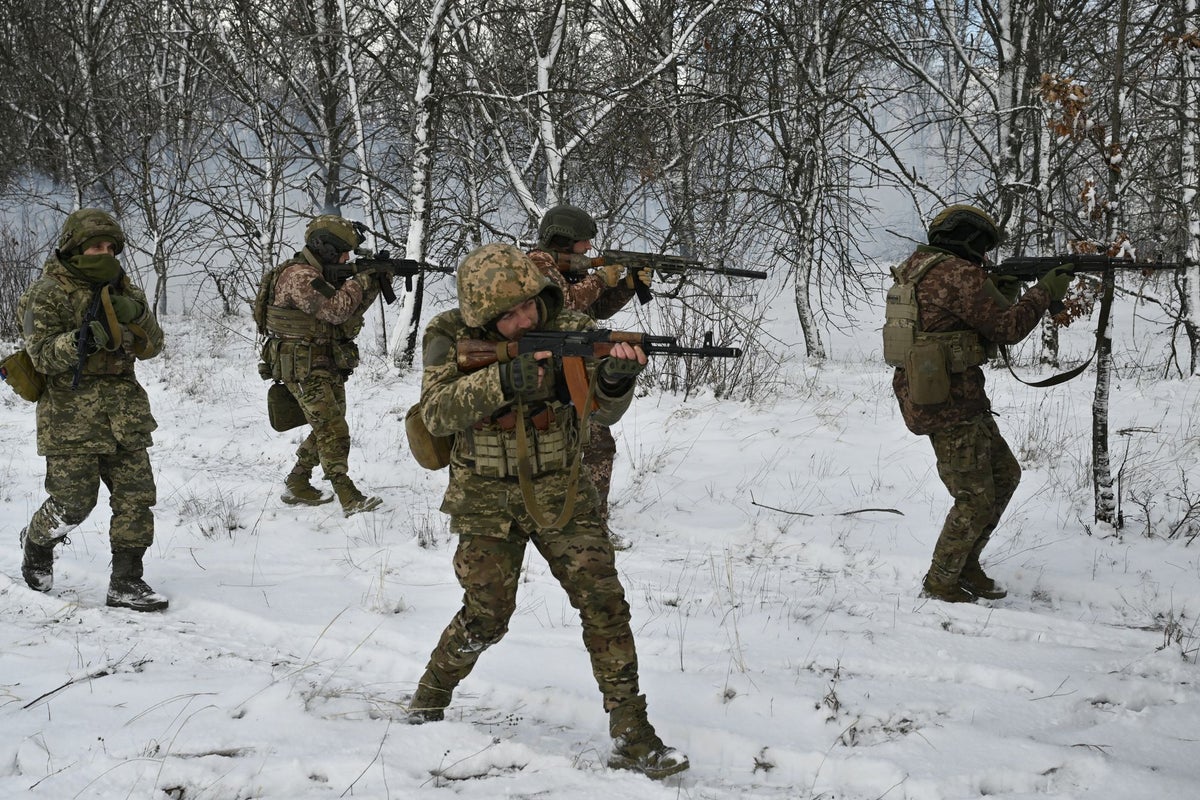
Russia made almost no territorial gains in March, described as its worst frontline progress in two and a half years, while Ukraine said its battlefield position is the strongest in a year thanks to drones and air defenses. The EU may revive a €90bn loan package for Ukraine after Hungary lifted its veto, with €45bn slated for 2026 and €45bn for 2027, but Ukraine warned that extended war in Iran could strain access to US anti-missile systems. Separately, Russian attacks injured seven in Dnipro and killed one in Zhytomyr, while Druzhba oil flows to Slovakia resumed after repairs.
The market implication is not “peace optimism,” but a longer-duration funding war with a shifting delivery chain. If the battlefield has become more static while air defense needs stay high, the marginal winner is not heavy armor but the ecosystem that supplies interceptors, drones, EW, targeting, and rapid replacement parts. That favors European primes with exposed order books and U.S. missile-defense names with constrained capacity, because the constraint is manufacturing throughput rather than budget intent.
The bigger second-order effect is on sovereign funding and European fiscal normalization. A multi-year EU backstop for Ukraine, especially if structured against frozen Russian assets, lowers near-term default risk and keeps Kyiv solvent without forcing immediate domestic austerity; that is mildly supportive for Ukraine-linked credit narratives but more importantly reduces the probability of a disorderly financing gap that could trigger broader risk-off in Eastern Europe. The political linkage to the pipeline and the veto release also shows that energy transit remains a bargaining chip, so localized infrastructure disruption can still create short, sharp headline risk in regional gas/oil logistics.
The underappreciated risk is U.S. munitions allocation if Middle East tensions stay elevated. Patriot interceptors and other high-end air defenses are finite, and every incremental theater competes with Ukraine on a queue basis; that creates a 3-6 month tail risk for any company or country dependent on U.S. stockpiles. In contrast, the more likely medium-term catalyst is a procurement acceleration in Europe, because the lesson is not that Russia is winning, but that resilience now means buying layered defense and drones faster than legacy platforms can be delivered.
AI-powered research, real-time alerts, and portfolio analytics for institutional investors.
Request TrialOverall Sentiment
mildly negative
Sentiment Score
-0.15
Ticker Sentiment
