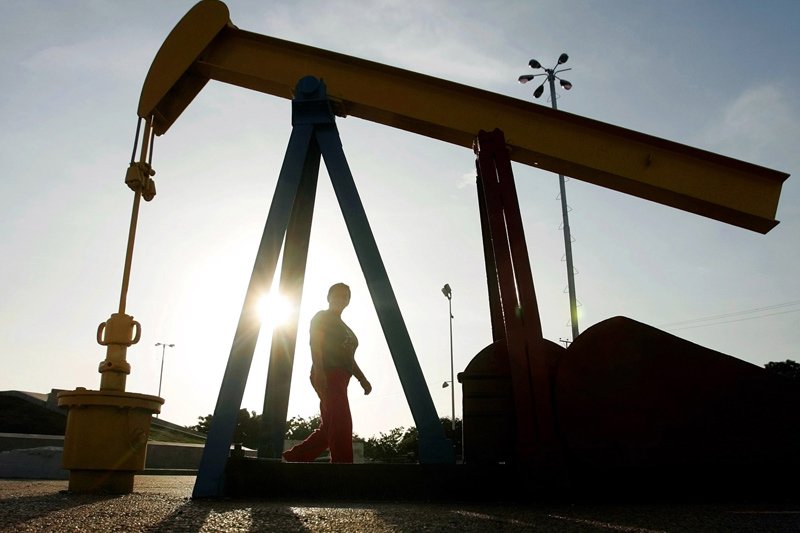
Oil spiked above $118/barrel amid escalation in the U.S.-Israeli conflict and energy infrastructure targeting; U.S. gasoline averaged $3.88/gal, roughly a 30% rise from pre-bombing levels. Gold fell ~4% and silver ~10% as major central banks, including the Fed, penciled in higher inflation and signaled a more cautious/hawkish stance; the Fed still projects one 25bp cut this year but warned projections are uncertain. Investors now assign roughly 10% odds to either a year-end Fed hike or cut, narrowing the window for rate cuts and raising the likelihood that new Fed leadership may face early tightening.
Sustained energy-driven inflation risk is now the dominant macro transmission mechanism to monetary policy rather than idiosyncratic domestic demand — if energy costs remain elevated for 3–6 months, pass-through to transport, freight and producer margins can add roughly 0.2–0.6 percentage points to year-on-year CPI and keep the Fed on a higher-for-longer path. That secular sticky inflation scenario raises term premia and puts asymmetric downside risk on long-duration assets: a 50–75bp move up in real or nominal yields over the next 3 months would materially compress valuations in growth/long-duration stocks.
Second-order winners include high cash-flow, low-debt energy producers and equipment/services providers that can accelerate capex immediately; losers are rate- and discretionary-exposed sectors where higher financing costs and sticky inflation compound margin pressure (homebuilding, autos, airlines, travel). Supply-chain effects (higher fuel, shipping and fertilizer) create margin squeezes that typically show up with a 2–4 quarter lag in corporate earnings — monitor input-cost line items in quarterly filings for early signals.
Key catalysts and time horizons: near term (days–weeks) — headline volatility tied to geopolitical headlines and oil inventory data; medium term (3–6 months) — CPI prints, Fed minutes and term-premia repricing will set the policy path; long term (6–24 months) — sustained higher energy capex and structural trade flows could reallocate capital toward energy and logistics. A rapid de-escalation or coordinated SPR-style release would be the fastest reversal; a slow bleed with sticky services inflation is the higher-probability path that keeps rates elevated.
AI-powered research, real-time alerts, and portfolio analytics for institutional investors.
Request DemoOverall Sentiment
moderately negative
Sentiment Score
-0.45
